


Hanns Eisler
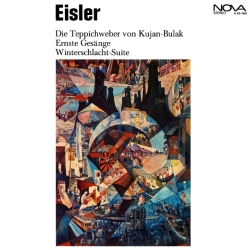
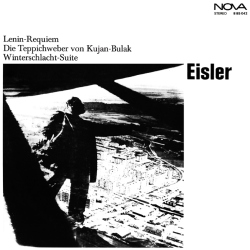
Die Teppichweber von Kujan-Bulak
Released Album
Recent Album

Works Info
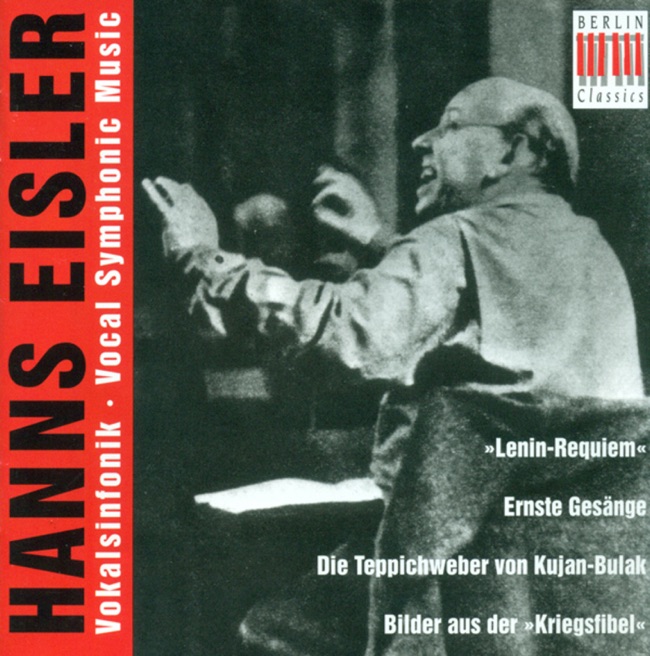
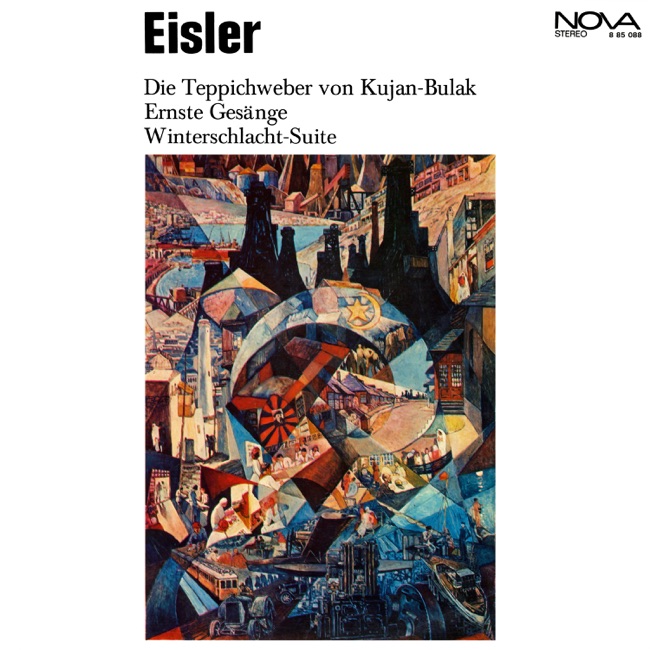
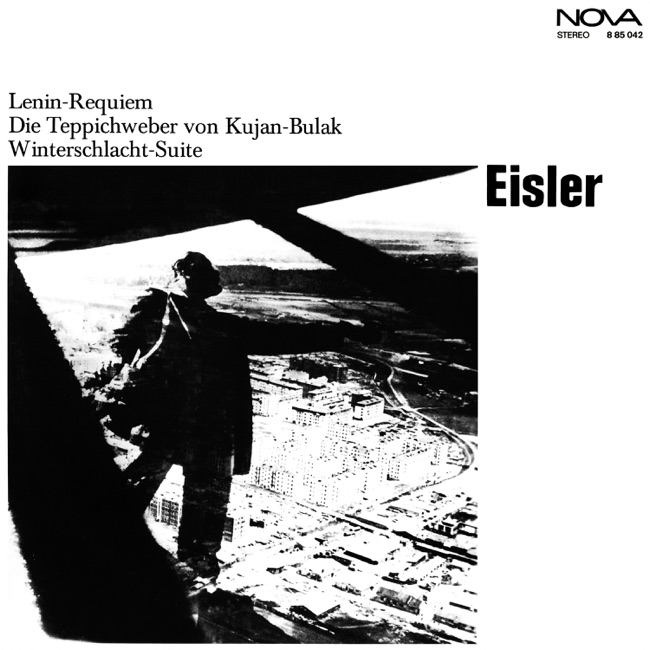
Composer:Hanns EislerGenre:MiscellaneousStyle:MiscellaneousAverage_duration:6:47'Die Teppichweber von Kujan-Bulak' is a cantata composed by Hanns Eisler in 1957. The piece was premiered on October 18, 1957, in East Berlin, Germany. The cantata is based on a poem by Bertolt Brecht, which tells the story of a group of carpet weavers in Kujan-Bulak, a small village in Uzbekistan. The weavers are exploited by a wealthy merchant who pays them very little for their work. The weavers decide to rebel against the merchant and demand fair wages. The cantata is divided into six movements, each of which tells a different part of the story. The first movement introduces the weavers and their situation. The second movement describes the weavers' rebellion and their demand for fair wages. The third movement is a lament for the weavers who have died in the struggle. The fourth movement is a call to arms for the remaining weavers to continue the fight. The fifth movement is a celebration of the weavers' victory over the merchant. The final movement is a reflection on the weavers' struggle and the importance of solidarity in the face of oppression. The music of 'Die Teppichweber von Kujan-Bulak' is characterized by its use of folk melodies and rhythms from Uzbekistan and other Central Asian countries. Eisler's use of these elements gives the piece a distinctly Eastern flavor and helps to evoke the setting of the story. The music is also notable for its use of dissonance and unconventional harmonies, which reflect the tension and conflict in the story. Overall, 'Die Teppichweber von Kujan-Bulak' is a powerful and moving work that highlights the struggles of workers against exploitation and oppression. Through its use of music and poetry, the cantata encourages solidarity and resistance in the face of injustice.More....
Works Music
Released Music

Main Perform Artists