


Charles Villiers Stanford
Symphony No. 1 in B flat major
Released Album
Recent Album


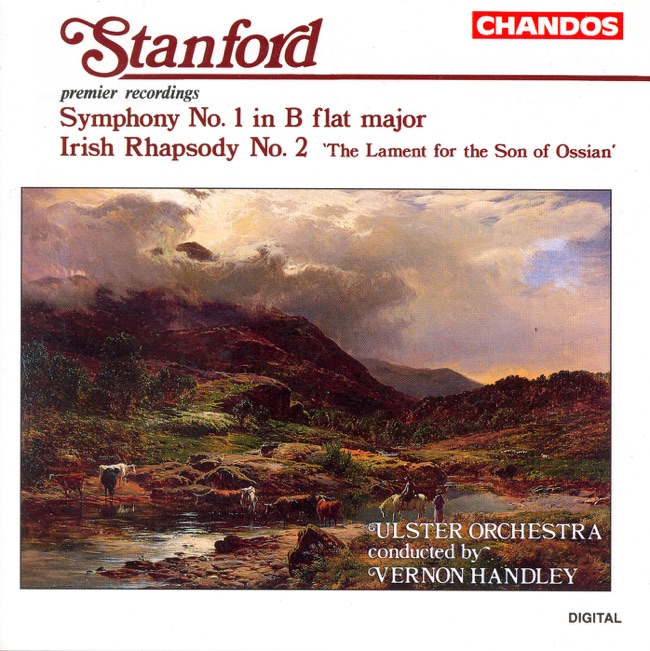
Works Info
Composer:Charles Villiers StanfordGenre:SymphonyStyle:SymphonyCompose Date:1876Average_duration:46:53Movement_count:4Movement ....Symphony No. 1 in B flat major is a four-movement symphony composed by Charles Villiers Stanford. It was composed in 1876 when Stanford was just 23 years old. The symphony premiered on March 18, 1877, at the Crystal Palace in London, conducted by August Manns. The first movement, marked Allegro moderato, begins with a slow introduction that sets the tone for the entire symphony. The main theme is introduced by the strings and is developed throughout the movement. The second movement, marked Andante, is a lyrical and expressive movement that features a beautiful melody played by the woodwinds. The third movement, marked Scherzo, is a lively and energetic movement that features a playful theme played by the strings. The final movement, marked Allegro molto, is a triumphant and grandiose movement that brings the symphony to a thrilling conclusion. The Symphony No. 1 in B flat major is characterized by its use of traditional forms and structures, as well as its rich and colorful orchestration. Stanford was heavily influenced by the music of Beethoven and Brahms, and this is evident in the symphony's use of classical forms and its emphasis on melody and harmony. Overall, the Symphony No. 1 in B flat major is a remarkable achievement for a young composer, and it remains one of Stanford's most popular and enduring works. Its combination of traditional forms and rich orchestration make it a masterpiece of the Romantic era, and it continues to be performed and enjoyed by audiences around the world.More....
Works Music
Released Music


3

Symphony No. 1 in B flat major
II. Scherzo in Ländler tempo - Trio 1. Presto - Trio 2 (Poco più lento)
8:51