


Giovanni Benedetto Platti
Sonata for solo cello & continuo No. 3 in A major
Released Album
Recent Album
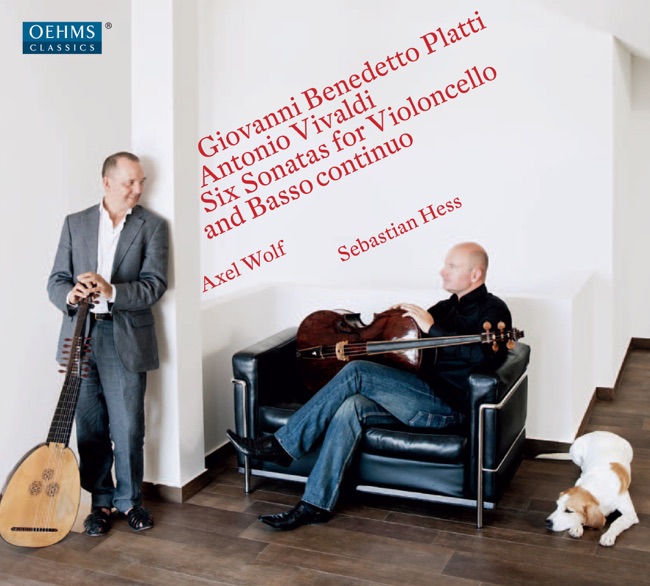
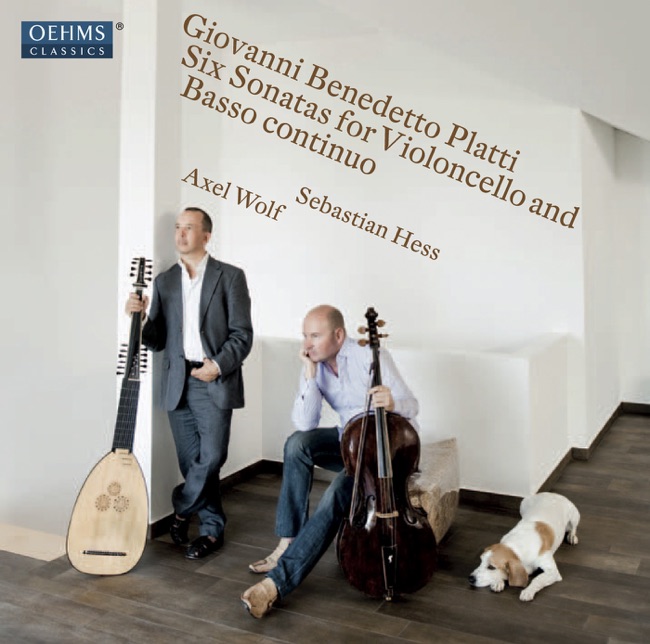
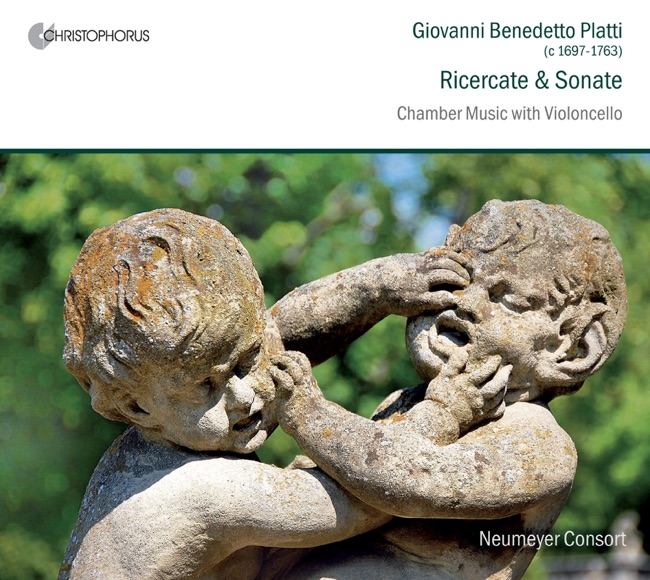
Works Info
Composer:Giovanni Benedetto PlattiGenre:ChamberStyle:SonataCompose Date:1725Average_duration:9:37Giovanni Benedetto Platti's Sonata for solo cello & continuo No. 3 in A major is a Baroque composition that was composed in the early 18th century. The exact date of composition is unknown, but it is believed to have been written between 1720 and 1740. The sonata is one of Platti's most famous works and is considered a masterpiece of the Baroque era. The sonata is divided into three movements: Allegro, Adagio, and Allegro. The first movement, Allegro, is a lively and energetic piece that showcases the technical abilities of the cellist. The movement is characterized by its fast-paced melody and intricate ornamentation. The second movement, Adagio, is a slow and melancholic piece that provides a contrast to the first movement. The movement is characterized by its expressive melody and use of vibrato. The final movement, Allegro, is a lively and upbeat piece that brings the sonata to a close. The movement is characterized by its fast-paced melody and use of syncopation. The sonata is written for solo cello and continuo, which consists of a harpsichord and a bass instrument such as a cello or a bassoon. The continuo provides a harmonic foundation for the solo cello and adds depth and richness to the overall sound of the piece. The sonata is written in A major, which is a bright and cheerful key that is often associated with joy and celebration. Overall, Platti's Sonata for solo cello & continuo No. 3 in A major is a masterpiece of the Baroque era. Its technical demands and expressive melodies make it a challenging and rewarding piece for cellists to perform. The sonata's use of the continuo adds depth and richness to the overall sound of the piece, making it a true masterpiece of Baroque music.More....
Works Music
Released Music
1
2:49
2
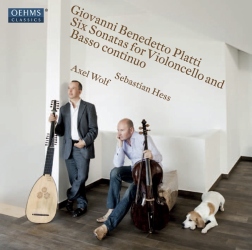
4:15
3
4:11