


Dietrich Buxtehude
Sonata for violin, viola da gamba & harpsichord in F major, Op. 2/7, BuxWV 265
Released Album
Recent Album
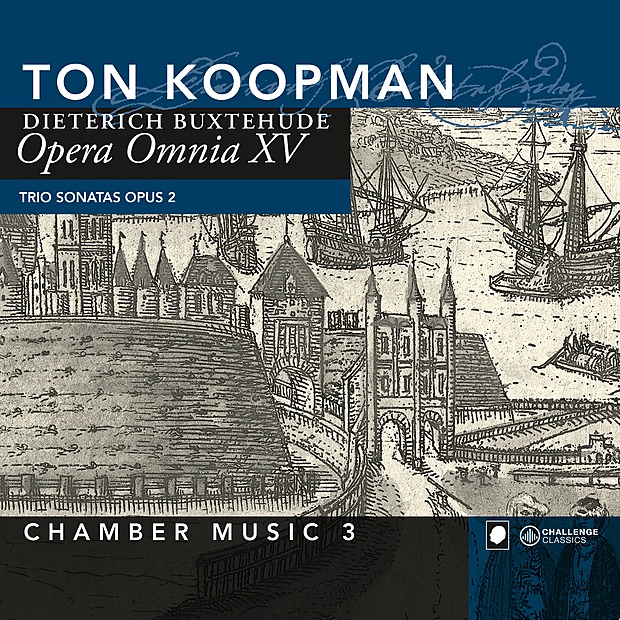
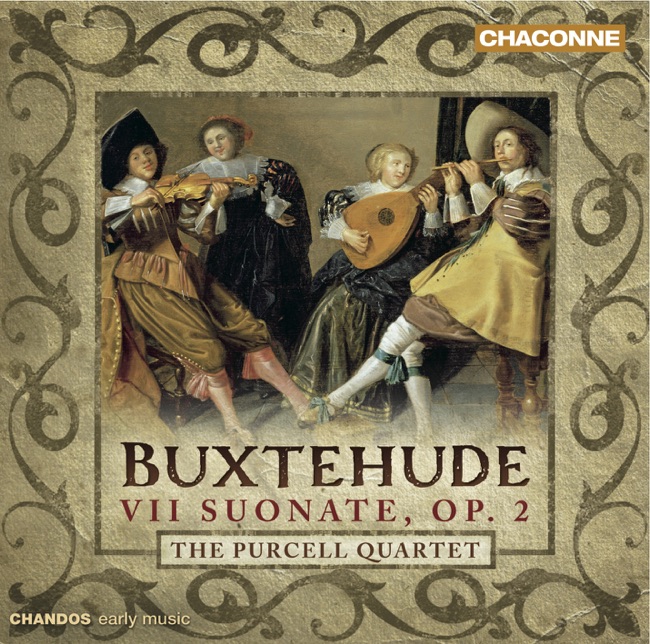
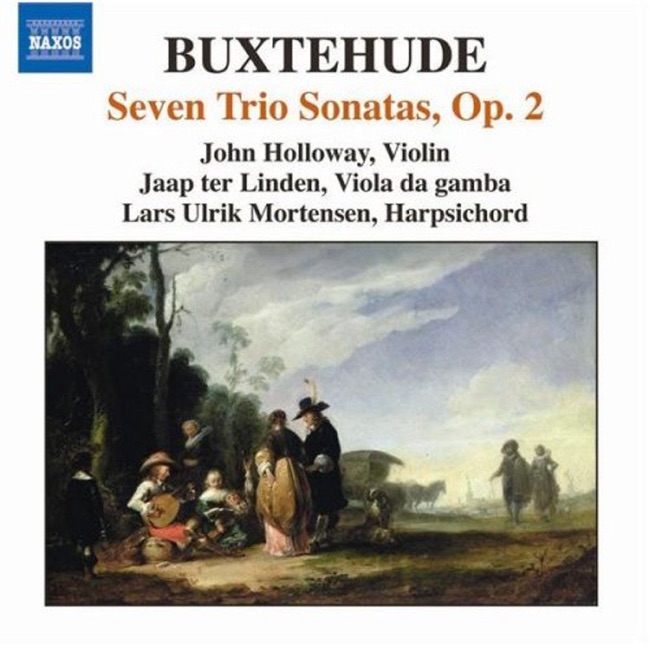
Works Info
Composer:Dietrich BuxtehudeGenre:ChamberStyle:Chamber MusicAverage_duration:8:08Dietrich Buxtehude's Sonata for violin, viola da gamba & harpsichord in F major, Op. 2/7, BuxWV 265, is a Baroque chamber music piece composed in the late 17th century. The exact date of composition is unknown, but it is believed to have been written between 1680 and 1690. The sonata is one of Buxtehude's most famous works and is considered a masterpiece of the Baroque era. The sonata consists of four movements: Adagio, Allegro, Adagio, and Allegro. The first movement, Adagio, is a slow and expressive introduction that sets the tone for the rest of the piece. The second movement, Allegro, is a lively and energetic dance-like movement that showcases the virtuosity of the performers. The third movement, Adagio, is a slow and contemplative section that provides a contrast to the previous movement. The final movement, Allegro, is a fast and lively dance that brings the piece to a thrilling conclusion. The sonata is scored for violin, viola da gamba, and harpsichord, which was a common combination of instruments in Baroque chamber music. The violin and viola da gamba often play in unison or in dialogue with each other, while the harpsichord provides a continuo accompaniment. The use of the viola da gamba, a stringed instrument that was popular in the Baroque era but has since fallen out of use, gives the sonata a unique and distinctive sound. The sonata is characterized by its intricate counterpoint, virtuosic solo passages, and rich harmonies. Buxtehude was known for his skillful use of counterpoint, and the sonata demonstrates his mastery of the technique. The solo passages for the violin and viola da gamba are challenging and require a high level of technical proficiency from the performers. The harmonies are rich and complex, with frequent use of suspensions and dissonances that create tension and release. The sonata was likely premiered in Buxtehude's hometown of Lübeck, where he was the organist at the Marienkirche. Buxtehude was known for his innovative and experimental approach to music, and the Sonata for violin, viola da gamba & harpsichord in F major, Op. 2/7, BuxWV 265, is a testament to his creativity and skill as a composer.More....
Works Music
Released Music
1
Sonata for violin, viola da gamba & harpsichord in F major, Op. 2/7, BuxWV 265
Sonata in F, op. 2/7, BuxWV 265
8:51
2
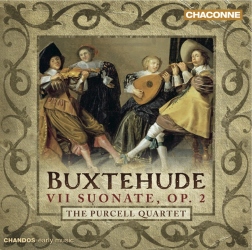
Sonata for violin, viola da gamba & harpsichord in F major, Op. 2/7, BuxWV 265
Sonata in F major, Op. 2/7, BuxWV 265
7:43
3
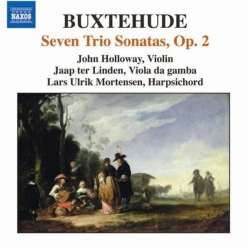
2:56