


Franz Joseph Haydn
Baryton Trio in C major, H. 11/82
Released Album
Recent Album

Works Info
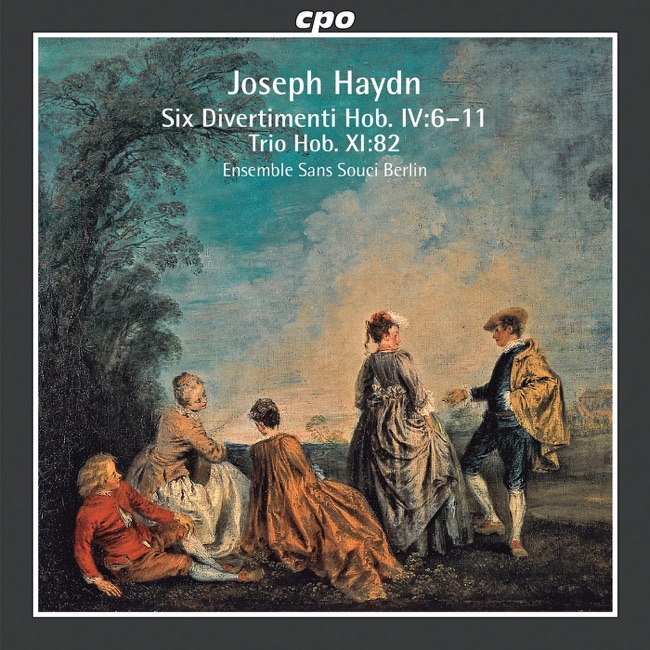
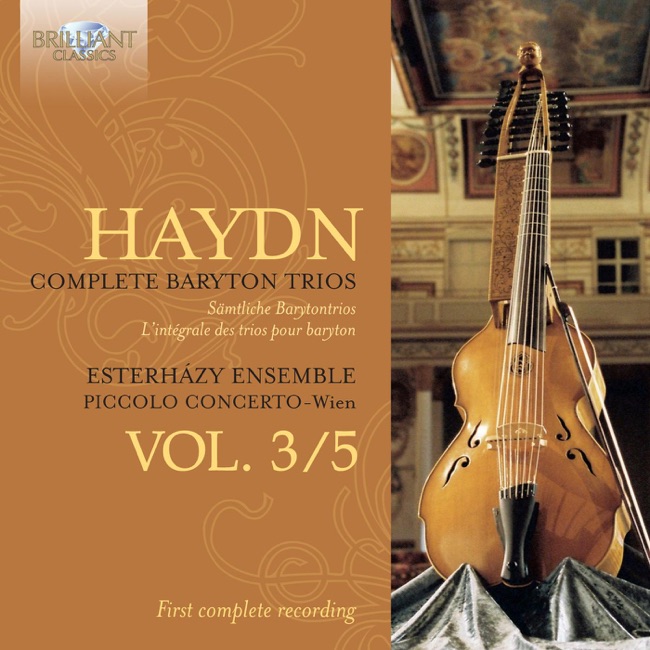
Composer:Franz Joseph HaydnGenre:ChamberStyle:Chamber MusicAverage_duration:14:06Movement_count:3Movement ....Franz Joseph Haydn's Baryton Trio in C major, H. 11/82, was composed in the late 1760s for Prince Nikolaus Esterházy, who was an avid player of the baryton, a stringed instrument similar to the viola da gamba. The trio was likely premiered at the Esterházy court in Eisenstadt, Austria, where Haydn was employed as a court musician. The Baryton Trio in C major consists of three movements: a fast-paced Allegro moderato, a lyrical Andante, and a lively Finale marked Allegro. The first movement features a lively and playful theme that is passed between the baryton, viola, and cello, with each instrument taking turns playing the melody and accompanying figures. The second movement is a beautiful and expressive melody that showcases the baryton's unique sound, with the viola and cello providing a delicate accompaniment. The final movement is a lively and energetic dance, with the baryton taking center stage with its virtuosic runs and trills. One of the most notable characteristics of the Baryton Trio in C major is its use of the baryton, which is featured prominently throughout the piece. Haydn was known for his skill in writing for the baryton, and he takes full advantage of the instrument's unique capabilities in this trio. The baryton's rich, deep sound is contrasted with the lighter, brighter tones of the viola and cello, creating a rich and varied texture. Overall, the Baryton Trio in C major is a charming and delightful work that showcases Haydn's skill as a composer and his mastery of the baryton. Its playful melodies, expressive harmonies, and virtuosic passages make it a joy to listen to and a testament to Haydn's enduring legacy as one of the greatest composers of the classical era.More....
Works Music
Released Music
3
5:46
4
7:44