Heinrich Schütz
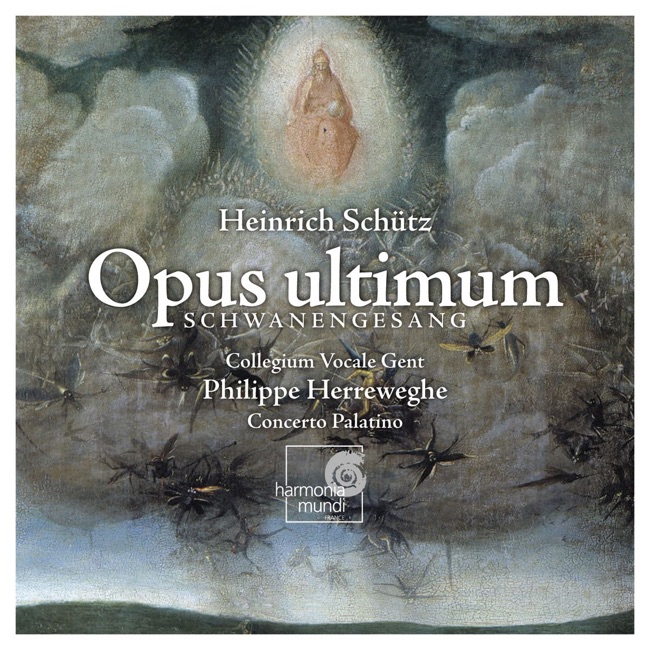
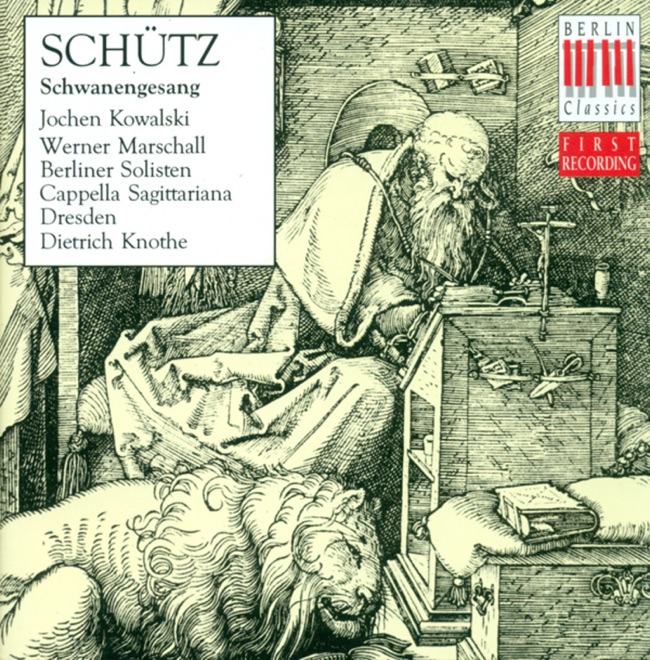
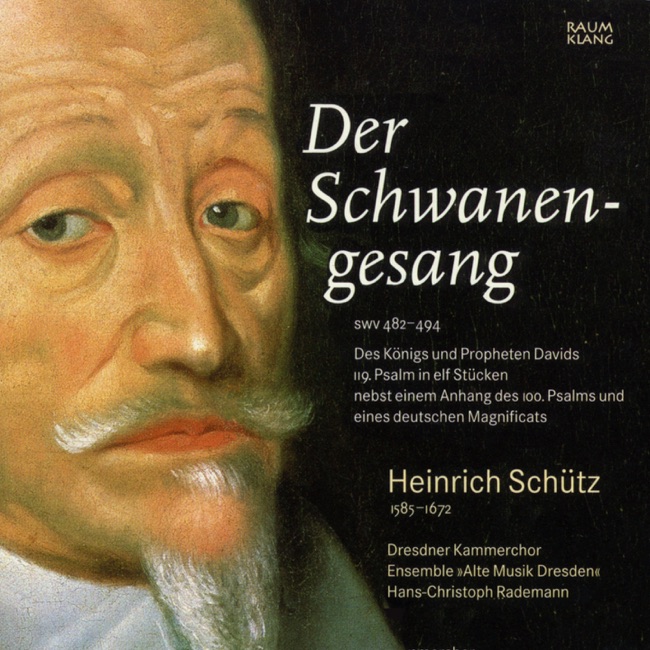
Der Schwanengesang, SWV 482-494
Released Album
Recent Album
Works Info
Composer:Heinrich SchützGenre:ChoralStyle:ChoralPublication Date:1671Average_duration:103:09Movement_count:13Movement ....Der Schwanengesang, SWV 482-494, is a collection of sacred vocal music composed by Heinrich Schütz. It was composed in 1671, the year before Schütz's death, and was premiered in Dresden. The collection consists of eleven movements, each of which is a setting of a German text from the Bible or a hymn. The first movement, "Ich bin die Auferstehung und das Leben," is a setting of John 11:25-26. It is a joyful and celebratory piece, with a lively rhythm and bright harmonies. The second movement, "Selig sind die Toten," is a setting of Revelation 14:13. It is a more somber piece, with a slower tempo and more contemplative harmonies. The third movement, "Herr, wenn ich nur dich habe," is a setting of Psalm 73:25-26. It is a prayerful and introspective piece, with a simple melody and sparse accompaniment. The fourth movement, "Meine Seele erhebt den Herren," is a setting of the Magnificat. It is a joyful and exuberant piece, with a lively rhythm and complex harmonies. The fifth movement, "Ich danke dir, Herr, von ganzem Herzen," is a setting of Psalm 138:1-2. It is a joyful and grateful piece, with a lively rhythm and bright harmonies. The sixth movement, "Herr, nun lässest du deinen Diener in Frieden fahren," is a setting of the Nunc Dimittis. It is a peaceful and contemplative piece, with a slow tempo and simple harmonies. The seventh movement, "Ich bin gewiss, dass weder Tod noch Leben," is a setting of Romans 8:38-39. It is a confident and triumphant piece, with a lively rhythm and complex harmonies. The eighth movement, "Ich hab mein Sach Gott heimgestellt," is a setting of a hymn by Paul Gerhardt. It is a peaceful and contemplative piece, with a slow tempo and simple harmonies. The ninth movement, "Erbarm dich mein, o Herre Gott," is a setting of Psalm 51:1-2. It is a prayerful and introspective piece, with a simple melody and sparse accompaniment. The tenth movement, "Herr, nun lässt du deinen Diener in Frieden fahren," is a setting of the Nunc Dimittis. It is a peaceful and contemplative piece, with a slow tempo and simple harmonies. The eleventh and final movement, "Selig sind die Toten," is a setting of Revelation 14:13. It is a more somber piece, with a slower tempo and more contemplative harmonies. Overall, Der Schwanengesang is a collection of sacred vocal music that showcases Schütz's mastery of harmony, melody, and text setting. The collection is characterized by its variety of moods and styles, from joyful and celebratory to somber and introspective. It is a testament to Schütz's skill as a composer and his deep faith in God.More....
Works Music
Released Music
1
The Swan Song, SWV 482-494
Der 119. Psalm Aleph und Beth: Wohl denen, die ohne Wandel leben SWV 482
4:48