Franz Joseph Haydn
Baryton Trio in D major, H. 11/97
Released Album
Recent Album
Works Info
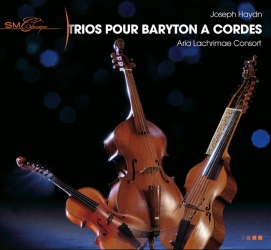
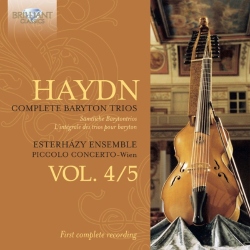
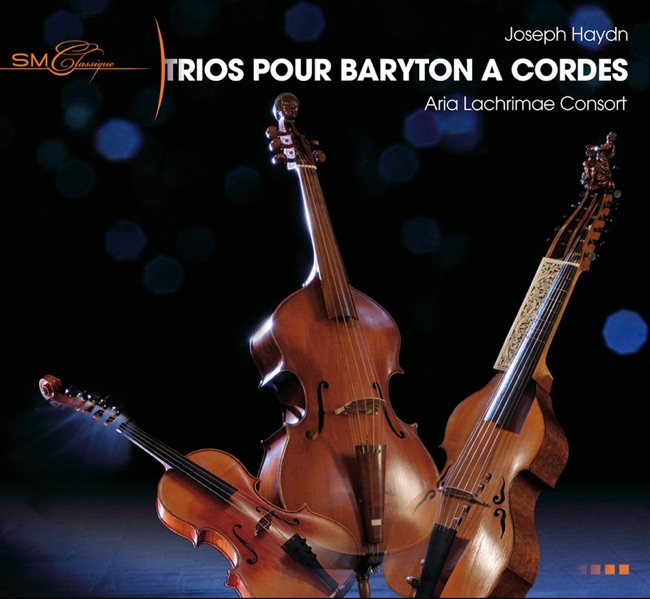
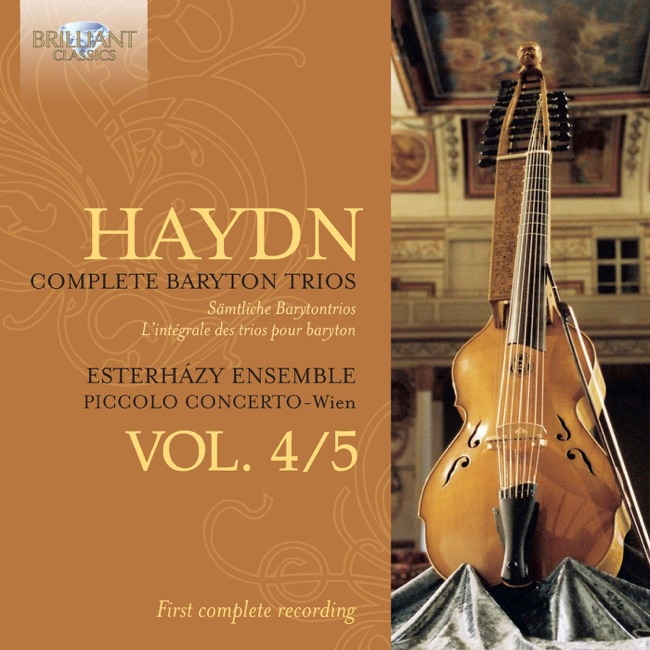
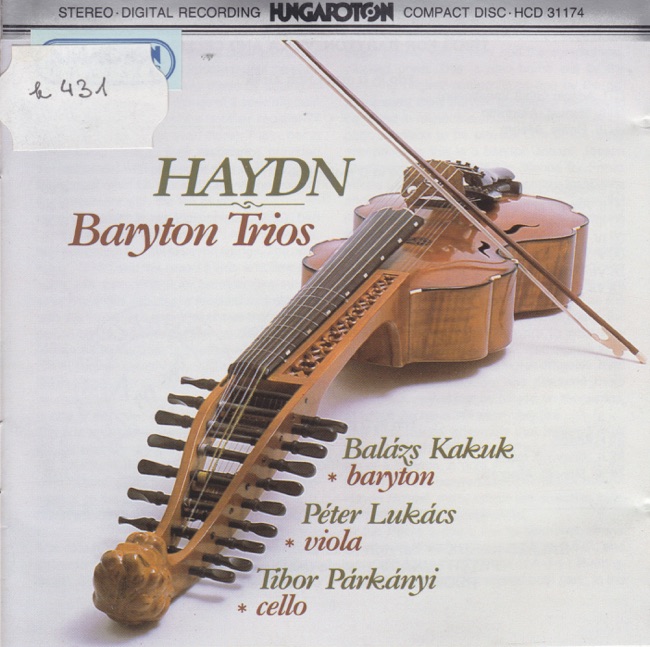
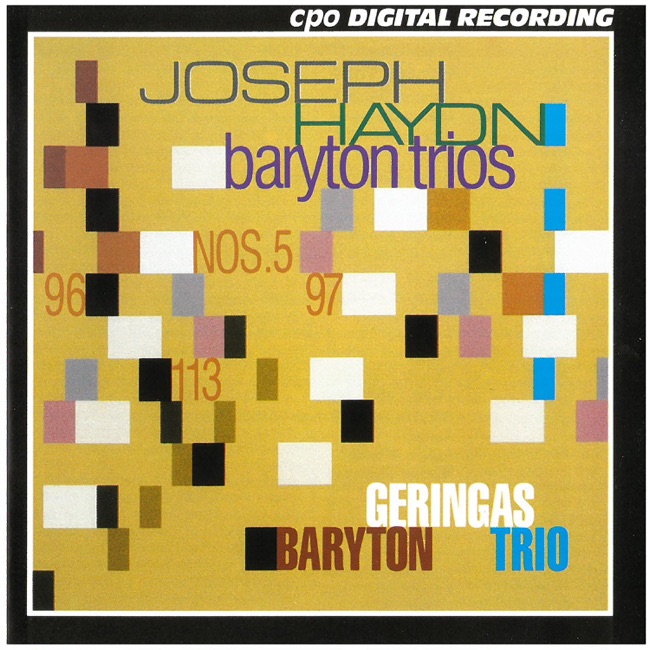
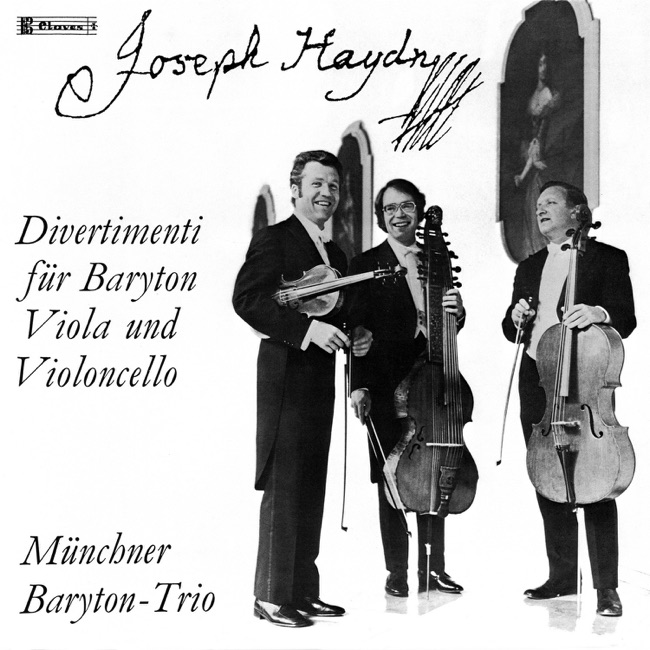
Composer:Franz Joseph HaydnGenre:ChamberStyle:Chamber MusicAverage_duration:19:32Movement_count:7Movement ....Franz Joseph Haydn's Baryton Trio in D major, H. 11/97, was composed in the late 1760s for Prince Nikolaus Esterházy, who was an avid player of the baryton, a stringed instrument similar to the viola da gamba. The trio was likely premiered at the Esterházy court in Eisenstadt, Austria, where Haydn was employed as a court musician. The Baryton Trio in D major consists of three movements: Allegro moderato, Menuetto, and Finale: Presto. The first movement is in sonata form, with a lively and energetic opening theme that is developed throughout the movement. The second movement is a graceful minuet and trio, with a more subdued and lyrical character. The final movement is a fast and playful rondo, with a catchy and memorable main theme that is repeated throughout. One of the most notable characteristics of the Baryton Trio in D major is its use of the baryton, which is featured prominently in the second movement. Haydn's writing for the baryton is virtuosic and inventive, showcasing the instrument's unique capabilities and range. The trio also features Haydn's signature wit and humor, particularly in the playful and lively final movement. Overall, the Baryton Trio in D major is a charming and delightful work that showcases Haydn's skill as a composer and his ability to write for a variety of instruments. Its premiere at the Esterházy court would have been a highlight of the musical calendar, and it remains a beloved work in the chamber music repertoire today.More....
Works Music
Released Music
1
7:1