


Jean-Baptiste Loeillet (of London)
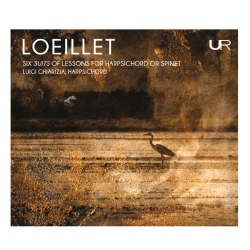
Suite for harpsichord No. 1, in G minor
Released Album
Recent Album

Works Info
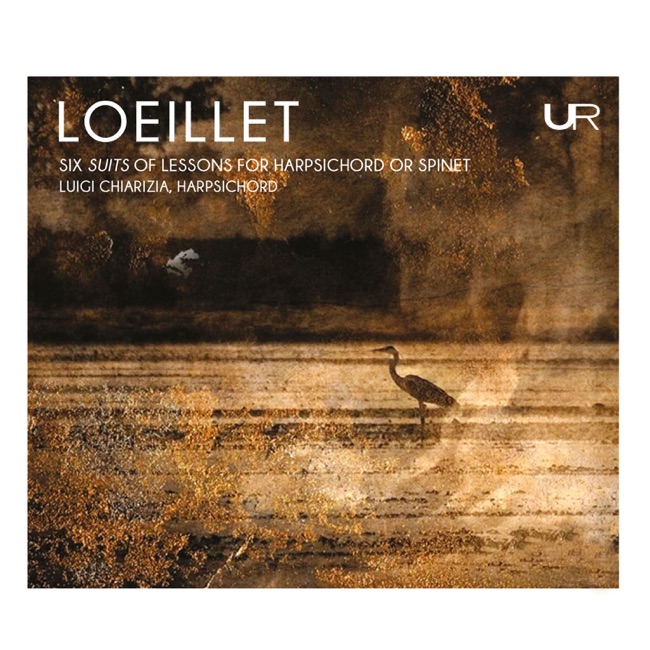
Composer:Jean-Baptiste Loeillet (of London)Genre:KeyboardStyle:KeyboardAverage_duration:16:53Movement_count:6Movement ....Jean-Baptiste Loeillet (of London) was a prominent composer and performer of the Baroque era. He was born in Ghent, Belgium, in 1680 and later moved to London, where he became a well-known harpsichordist and composer. One of his most famous works is the Suite for harpsichord No. 1, in G minor, which was composed in the early 18th century. The Suite for harpsichord No. 1, in G minor, is a collection of dances that were popular during the Baroque era. The suite is composed of six movements, each with its own unique character and style. The movements are as follows: 1. Prelude: The suite begins with a prelude, which is a short, improvisatory piece that sets the mood for the rest of the suite. The prelude is in G minor and features a slow, melancholy melody. 2. Allemande: The second movement is an allemande, which is a German dance that was popular during the Baroque era. The allemande is in G minor and features a moderate tempo and a lively, dance-like rhythm. 3. Courante: The third movement is a courante, which is a French dance that was also popular during the Baroque era. The courante is in G minor and features a fast, lively tempo and a complex, syncopated rhythm. 4. Sarabande: The fourth movement is a sarabande, which is a slow, stately dance that was popular in Spain and Latin America during the Baroque era. The sarabande is in G minor and features a slow, mournful melody. 5. Gavotte: The fifth movement is a gavotte, which is a French dance that was popular during the Baroque era. The gavotte is in G minor and features a moderate tempo and a lively, dance-like rhythm. 6. Gigue: The final movement is a gigue, which is a lively dance that was popular in England and France during the Baroque era. The gigue is in G minor and features a fast, lively tempo and a complex, syncopated rhythm. The Suite for harpsichord No. 1, in G minor, is a prime example of Baroque music. It features complex rhythms, intricate melodies, and a wide range of dynamics. The suite is also notable for its use of ornamentation, which was a common feature of Baroque music. Ornamentation refers to the embellishments that are added to a melody to make it more expressive and interesting. Overall, the Suite for harpsichord No. 1, in G minor, is a beautiful and complex work that showcases Jean-Baptiste Loeillet's skill as a composer and performer. It premiered in the early 18th century and remains a popular piece of Baroque music to this day.More....
Works Music
Released Music
1
3:26
3
2:6
4

2:2
5

2:2
6
3:33
7
3:29
8
1:34
Main Perform Artists
Piano
Bassoon
Cello
Harpsichord
Piano