


Jean-Baptiste Loeillet (of London)
Released Album
Chamber
-
 December 15, 2020
 -
 February 21, 2020
 -
 December 20, 2016
 -
 April 28, 2014
 -
 September 3, 2013
 -
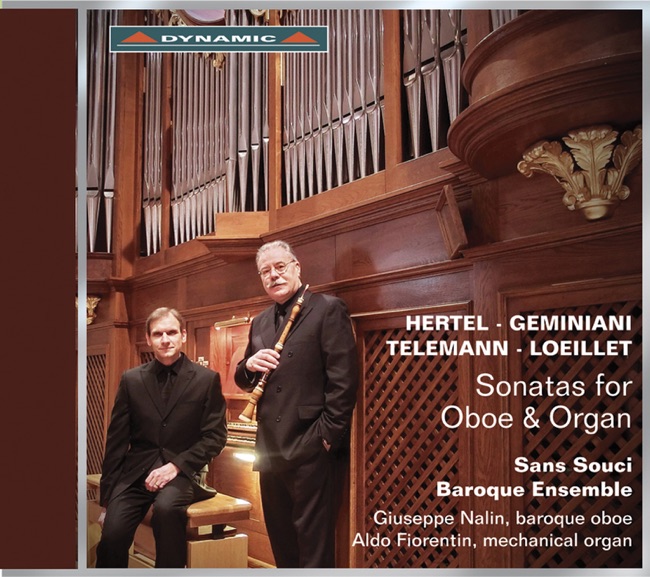 June 4, 2013
Keyboard
-
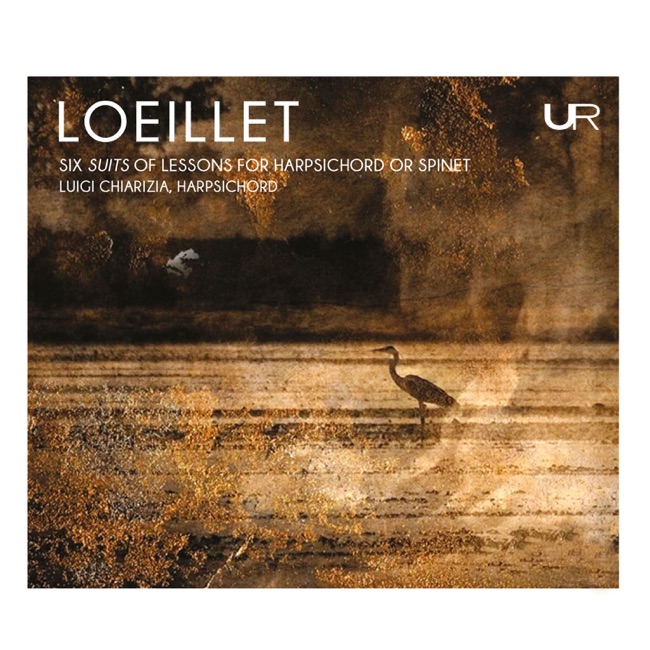 January 4, 2019
 -
-
 January 27, 2017
 -
 September 1, 2016
 -
 January 1, 2016
 -
 April 21, 2014
Concerto
-
 December 6, 2019
Artist Info
Role:ComposerCountry: United KingdomBirth:November 18, 1680Death:July 19, 1730 in London, EnglandPeriod:BaroqueGenre:ChamberJean-Baptiste Loeillet (of London) was a prominent composer of the Baroque era, known for his contributions to the development of the sonata and the trio sonata. Born in Ghent, Belgium in 1688, Loeillet was part of a family of musicians. His father, Jean-Baptiste Loeillet (of Ghent), was a successful composer and flutist, and his brothers Jacques and Jean were also accomplished musicians. Loeillet began his musical education under the tutelage of his father, who taught him the flute and the harpsichord. He quickly showed a talent for music, and by the age of 18, he had already composed several works for the flute. In 1708, Loeillet moved to Paris to study with the renowned composer Jean-Baptiste Lully. While in Paris, he also studied with the composer André Campra and the flutist Michel Blavet. In 1710, Loeillet moved to London, where he quickly established himself as a prominent musician. He became a member of the orchestra at the Drury Lane Theatre, and he also performed regularly at the court of Queen Anne. In addition to his work as a performer, Loeillet also began to compose extensively. He wrote numerous works for the flute, as well as sonatas and trio sonatas for various instruments. One of Loeillet's most famous works is his Sonata in G major for flute and basso continuo. This piece is a prime example of the Baroque sonata, with its three-movement structure and use of the basso continuo. The first movement is a lively allegro, featuring virtuosic passages for the flute. The second movement is a slow and expressive adagio, while the third movement is a fast and energetic allegro. Loeillet also composed several trio sonatas, including his Trio Sonata in A minor for two flutes and basso continuo. This piece is notable for its intricate counterpoint and its use of the two flutes as equal voices. The first movement is a lively allegro, featuring a complex interplay between the two flutes. The second movement is a slow and expressive adagio, while the third movement is a fast and lively allegro. In addition to his work as a composer, Loeillet was also a respected teacher. He taught the flute to several prominent musicians, including the composer George Frideric Handel. Handel was a great admirer of Loeillet's music, and he even included one of Loeillet's pieces in his own opera Rinaldo. Despite his success in London, Loeillet remained connected to his Belgian roots. He maintained a correspondence with his family in Ghent, and he even dedicated several of his works to his brother Jacques, who was also a composer. Loeillet's music was well-received in Belgium, and his works were frequently performed by local musicians. Jean-Baptiste Loeillet (of London) died in 1720 at the age of 32. Despite his short life, he left behind a significant body of work that continues to be admired and performed today. His contributions to the development of the sonata and the trio sonata were significant, and his music remains an important part of the Baroque repertoire.More....
Recent Artist Music
2
3:55
4
2:37
5
3:33
6
2:4
7
2:48

9
2:13
10
Courant for harpsichord in E minor (from 'Lessons for the Harpsichord')
Lessons for the Harpsichord or Spinet: Courante in E minor
3:21
12
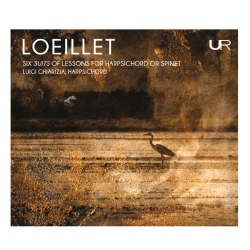
4:14
13
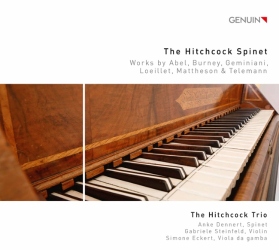
2:7
14
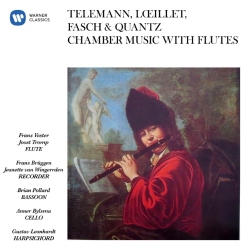
4:14
15
2:24

Copyright Ⓒ 2013 Davinci Finger. All rights reseved
Service Terms & Policy