Franz Liszt
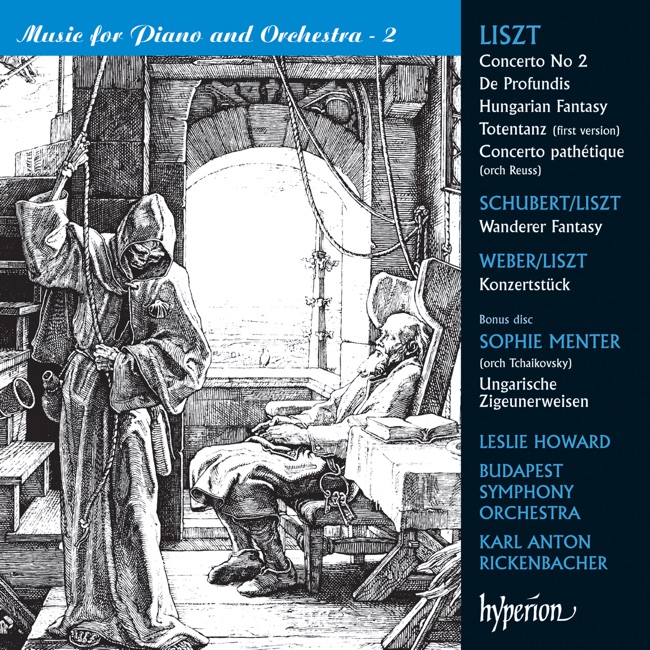
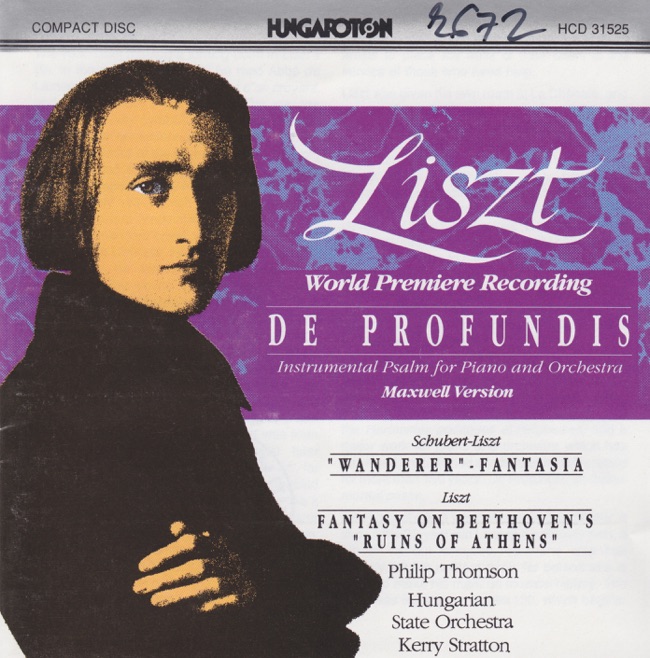
De Profundis, S. 121a
Released Album
Recent Album



Works Info
Composer:Franz LisztGenre:ConcertoStyle:PsalmCompose Date:1834 - 1835Publication Date:1990Average_duration:34:20De Profundis, S. 121a is a choral work composed by Franz Liszt in 1877. The piece is based on Psalm 130, which begins with the words "De profundis clamavi ad te, Domine" (Out of the depths I have cried to you, O Lord). The work was premiered in Rome in 1881, conducted by Liszt himself. De Profundis is divided into three movements. The first movement is a setting of the Latin text of Psalm 130, with the choir singing in unison. The second movement is a solo for bass voice, which sets the words "Si iniquitates observaveris, Domine" (If you, O Lord, should mark iniquities). The third movement is a fugue, which sets the words "Et ipse redimet Israel" (And he shall redeem Israel). The characteristics of De Profundis are typical of Liszt's late style. The work is harmonically complex, with frequent modulations and chromaticism. The choral writing is often dense and contrapuntal, with overlapping lines and complex rhythms. The bass solo is accompanied by a richly textured orchestral accompaniment, which includes a prominent role for the organ. The fugue is a tour-de-force of contrapuntal writing, with the choir and orchestra engaging in a complex interplay of themes and counter-themes. Overall, De Profundis is a powerful and deeply expressive work, which reflects Liszt's lifelong interest in religious themes. The work is notable for its complex harmonies, intricate counterpoint, and rich orchestration, which combine to create a deeply moving musical experience.More....
Works Music
Released Music