Dietrich Buxtehude
Sonata for 2 violins, viola da gamba & harpsichord in D minor, Op. 1/6, BuxWV 257
Released Album
Recent Album
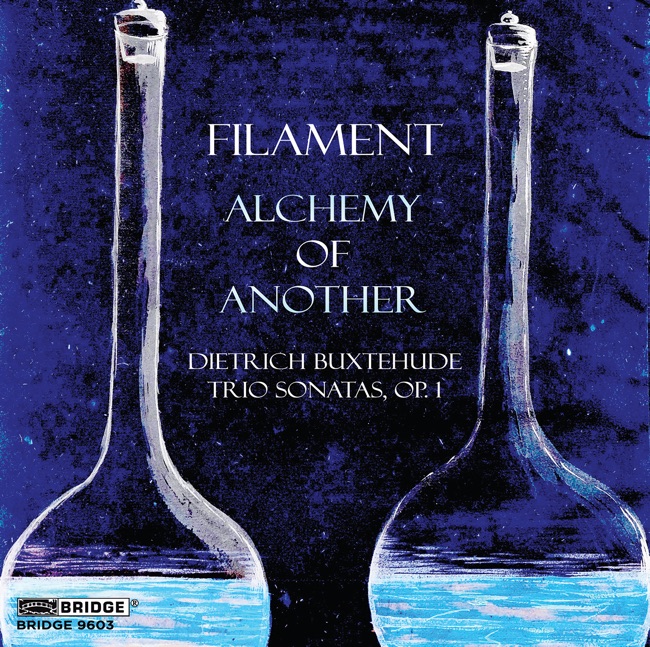


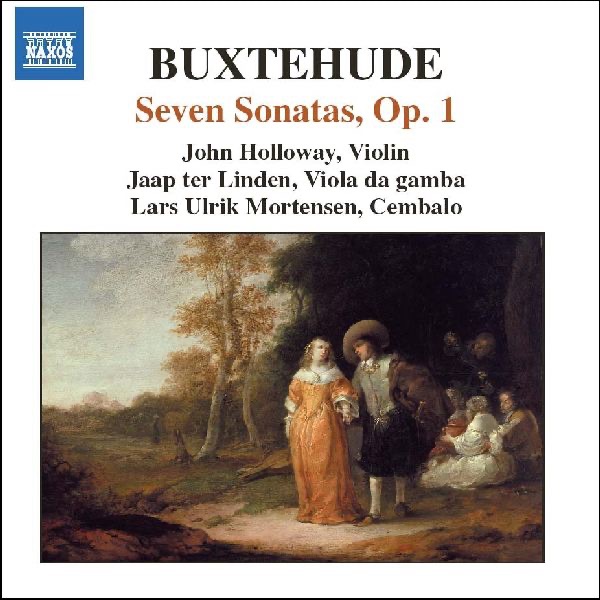
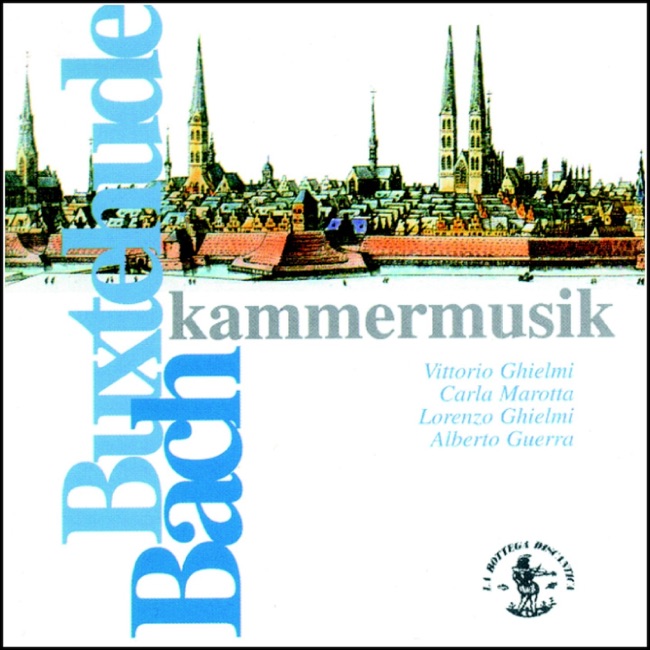
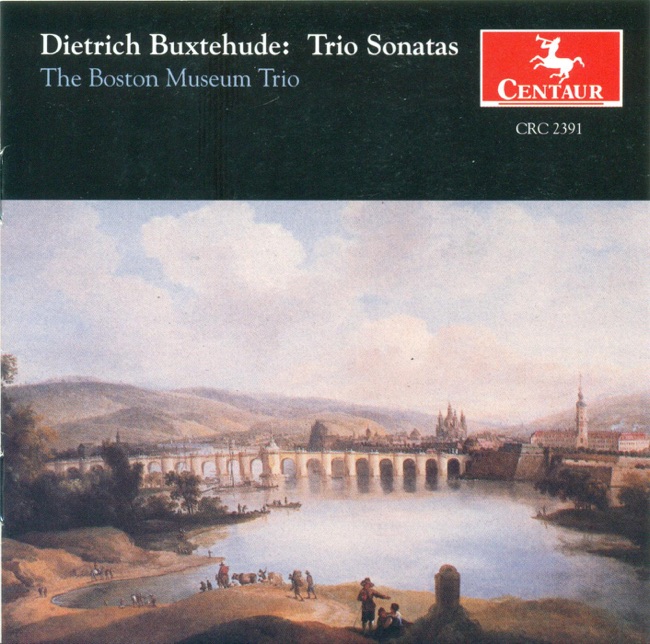
Works Info
Composer:Dietrich BuxtehudeGenre:ChamberStyle:Chamber MusicAverage_duration:8:15Movement_count:4Movement ....Dietrich Buxtehude's Sonata for 2 violins, viola da gamba & harpsichord in D minor, Op. 1/6, BuxWV 257, is a chamber music work composed in the late 17th century. The exact date of composition is unknown, but it is believed to have been written between 1680 and 1690. The sonata is one of Buxtehude's most famous chamber music works and is considered a masterpiece of the Baroque era. The sonata consists of six movements, each with its own unique character and style. The first movement is a prelude, which sets the tone for the rest of the work. It is a slow and somber introduction, with the violins and viola da gamba playing a mournful melody over a simple harpsichord accompaniment. The second movement is a lively and energetic allegro, with the violins and viola da gamba playing in unison and the harpsichord providing a lively accompaniment. This movement is characterized by its fast-paced rhythms and intricate counterpoint. The third movement is a slow and expressive adagio, with the violins and viola da gamba playing a beautiful and melancholic melody over a simple harpsichord accompaniment. This movement is notable for its use of chromaticism and dissonance, which create a sense of tension and emotional depth. The fourth movement is a lively and playful allegro, with the violins and viola da gamba playing in a lively and syncopated rhythm. The harpsichord provides a lively and intricate accompaniment, which adds to the overall sense of energy and excitement. The fifth movement is a slow and expressive adagio, with the violins and viola da gamba playing a beautiful and lyrical melody over a simple harpsichord accompaniment. This movement is characterized by its use of ornamentation and embellishment, which add to the overall sense of beauty and elegance. The final movement is a lively and energetic allegro, with the violins and viola da gamba playing in a fast and syncopated rhythm. The harpsichord provides a lively and intricate accompaniment, which adds to the overall sense of energy and excitement. This movement is notable for its use of counterpoint and imitation, which create a sense of complexity and depth. Overall, Buxtehude's Sonata for 2 violins, viola da gamba & harpsichord in D minor, Op. 1/6, BuxWV 257, is a masterpiece of the Baroque era. Its six movements showcase Buxtehude's skill as a composer and his ability to create music that is both beautiful and complex. The sonata is a testament to the enduring power of chamber music and remains a beloved work of classical music to this day.More....
Works Music
Released Music
1
Sonata for 2 violins, viola da gamba & harpsichord in D minor, Op. 1/6, BuxWV 257
Grave - Allegro - con discretione - (Allegro) - Adagio - (Allegro) - Adagio
5:16
2

2:25
3

Sonata for 2 violins, viola da gamba & harpsichord in D minor, Op. 1/6, BuxWV 257
Sonata D-moll, BuxWV 257
10:12
4
2:16
5
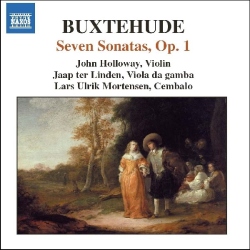
Sonata for 2 violins, viola da gamba & harpsichord in D minor, Op. 1/6, BuxWV 257
Poco presto - Poco Adagio Presto - Lento
2:16
6
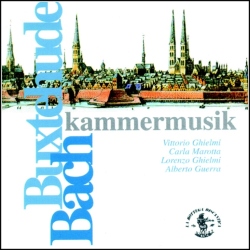
9:26
7
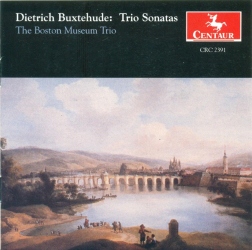
8:3