


Gustav Holst
The Mystic Trumpeter, Op. 18, H. 71
Released Album
Featured Album
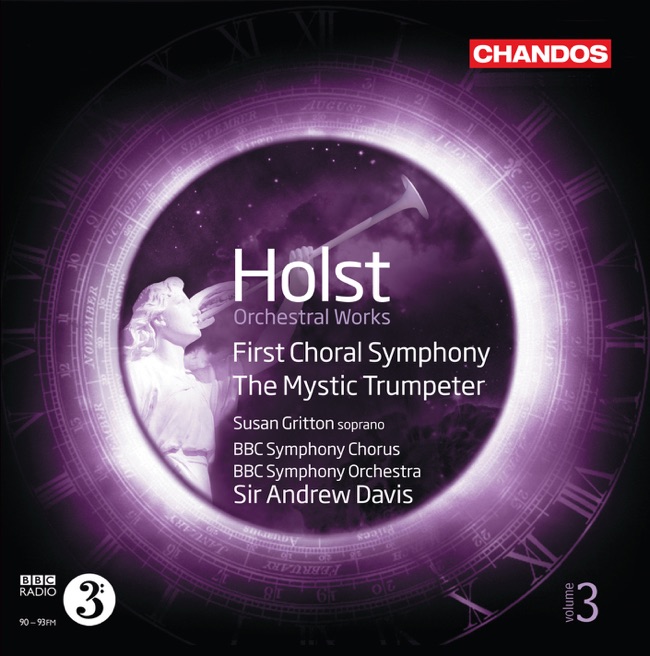
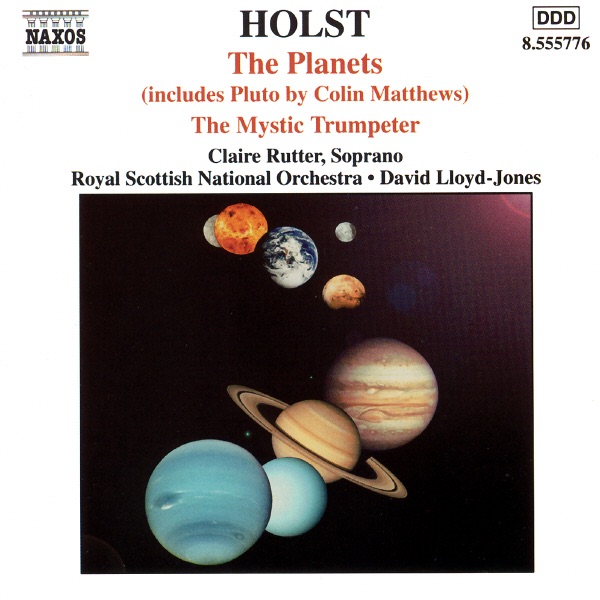
Works Info
Composer:Gustav HolstGenre:VocalStyle:Vocal MusicCompose Date:1904 - 1912Average_duration:19:02Gustav Holst's 'The Mystic Trumpeter, Op. 18, H. 71' is a choral work for tenor soloist, mixed choir, and orchestra. It was composed in 1904-05 and premiered on 15 December 1904 at the Queen's Hall in London. The text is based on a poem by Walt Whitman, which describes the mystical experience of hearing a trumpet call that leads the listener to a higher spiritual plane. The work is divided into three movements. The first movement, 'Invocation', begins with a soft and mysterious orchestral introduction, which sets the mood for the mystical journey that is about to unfold. The tenor soloist then enters, singing the opening lines of the poem, "Hark! Some wild trumpeter, some strange musician, / Hovering unseen in air, vibrates capricious tunes to-night." The second movement, 'The Trumpeter', is the longest and most dramatic of the three. It begins with a powerful orchestral fanfare, which is followed by the tenor soloist singing the words, "Blow again trumpeter! and for my sensuous eyes, / Bring the old pageants, show the feudal world." The choir then enters, singing a series of choral interludes that alternate with the tenor soloist's recitative-like passages. The music is highly chromatic and dissonant, reflecting the intense emotions of the text. The final movement, 'The Call', is a quiet and reflective meditation on the spiritual significance of the trumpet call. The tenor soloist sings the words, "Lo, soul, seest thou not God's purpose from the first? / The earth to be spann'd, connected by network, / The races, neighbors, to marry and be given in marriage." The choir then enters, singing a hymn-like setting of the text, which gradually builds to a powerful climax before subsiding into a peaceful coda. Overall, 'The Mystic Trumpeter' is a highly expressive and dramatic work that showcases Holst's skill as a composer of choral music. The music is characterized by its use of chromaticism, dissonance, and complex harmonies, which create a sense of mystery and otherworldliness. The work is also notable for its use of orchestral color, with Holst employing a wide range of instruments to create a rich and varied sound palette.More....
Works Music
Featured Music
1
18:29
2
The Mystic Trumpeter, Op. 18, ch. 71
Hark! some wild trumpeter. Blow, trumpeter, free and clear.
6:31
3
The Mystic Trumpeter, Op. 18, ch. 71
Blow again, trumpeter!. O, how the immortal phantoms crowd around me!
3:17
5
The Mystic Trumpeter, Op. 18, ch. 71
Now, trumpeter, for thy close. O glad, exulting, culminating song!
5:30