


Franz Liszt
Grand Paraphrase de la Marche composée pour le Sultan Abdul Médjid-Khan (I & II) (after Donizetti), S. 403
Released Album
Recent Album
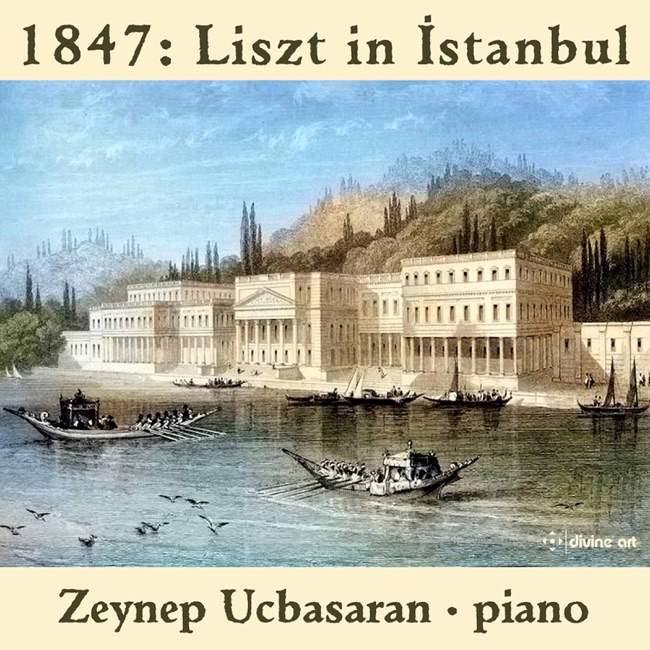


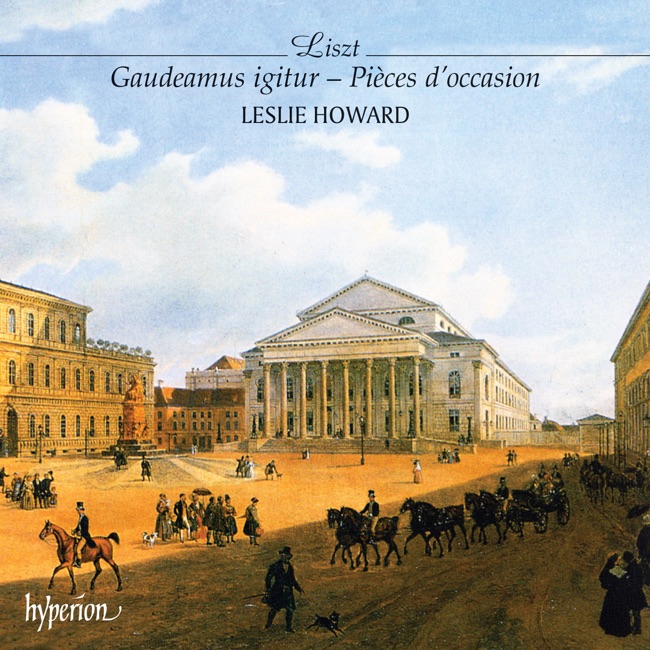
Featured Album
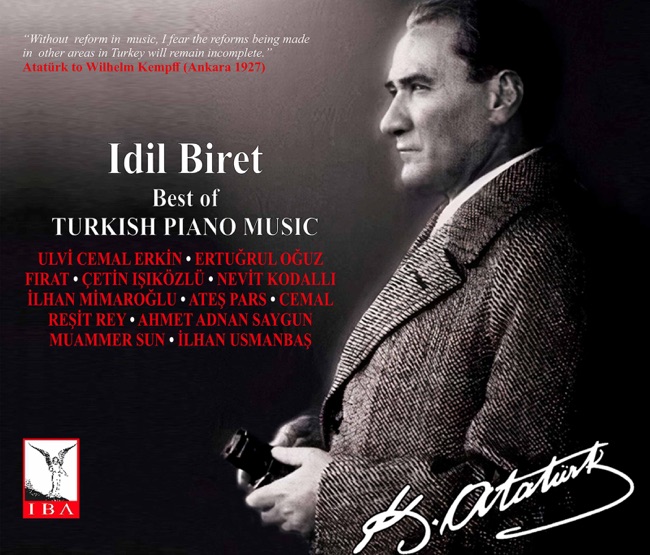
Works Info
Composer:Franz LisztGenre:KeyboardStyle:MarchCompose Date:1847Publication Date:1848Average_duration:7:06Franz Liszt's 'Grand Paraphrase de la Marche composée pour le Sultan Abdul Médjid-Khan (I & II) (after Donizetti), S. 403' is a two-movement piano piece that was composed in 1848. The piece was premiered in Paris in the same year, and it was dedicated to the Sultan Abdul Medjid-Khan of the Ottoman Empire. The first movement of the piece is a paraphrase of a march composed by Gaetano Donizetti for the Sultan Abdul Medjid-Khan. Liszt takes the original melody and transforms it into a virtuosic piano piece, adding his own flourishes and embellishments. The movement is marked by its fast tempo, intricate runs, and dramatic shifts in dynamics. Liszt's use of chromaticism and harmonic complexity adds depth and richness to the piece. The second movement of the piece is a slower, more contemplative section that contrasts with the first movement's energy and intensity. Liszt takes the original melody and transforms it into a lyrical and expressive theme, which he then develops through a series of variations. The movement is marked by its use of rubato, or flexible tempo, which allows the performer to shape the melody and express its emotional content. Overall, 'Grand Paraphrase de la Marche composée pour le Sultan Abdul Médjid-Khan (I & II) (after Donizetti), S. 403' is a virtuosic and expressive piano piece that showcases Liszt's technical prowess and musical imagination. The piece is notable for its use of thematic transformation, chromaticism, and harmonic complexity, which were hallmarks of Liszt's style.More....
Works Music
Released Music
1
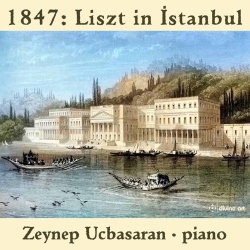
8:6
2
Grand Paraphrase de la Marche composée pour le Sultan Abdul Médjid-Khan (I & II) (after Donizetti), p. 403
La La marche pour le Sultan Abdul Médjid-Khan, S. 403
7:39
3
Grand Paraphrase de la Marche composée pour le Sultan Abdul Médjid-Khan (I & II) (after Donizetti), p. 403
Grande Marche d'Abdul Medjid-Khan, S 403
8:3
4

6:26
5
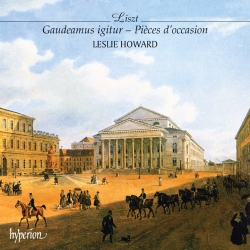
7:47
Featured Music
1
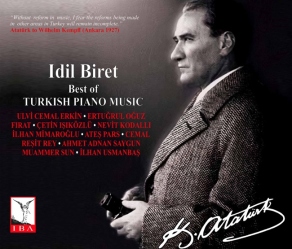
Grand Paraphrase de la Marche composée pour le Sultan Abdul Médjid-Khan (I & II) (after Donizetti), p. 403
Grand March for Sultan Abd체lmecid
8:52