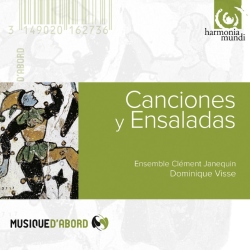
Mateo Flecha
La guerra
Released Album
Recent Album
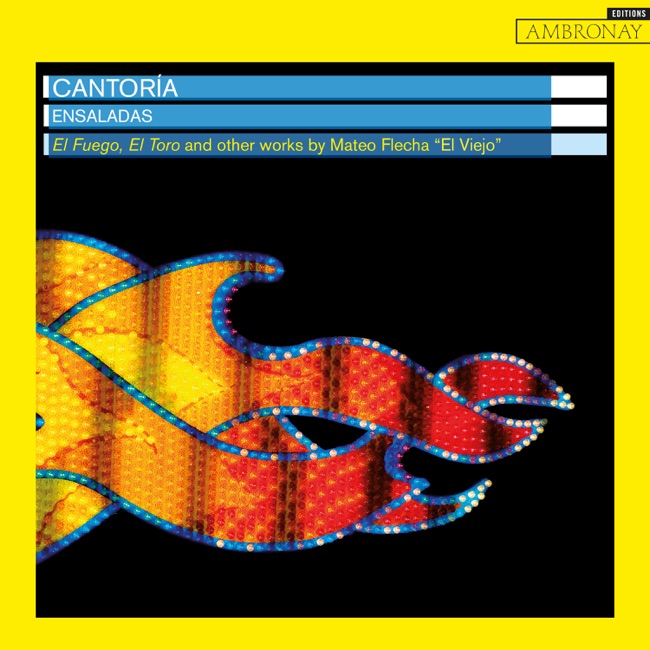
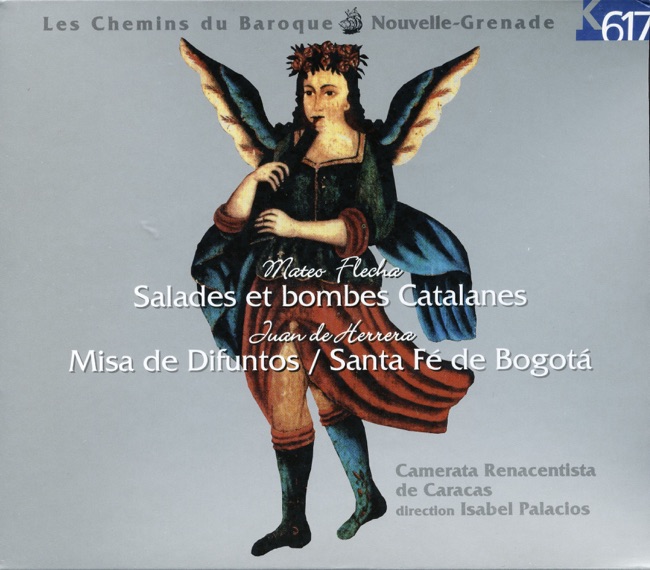
Featured Album
Works Info
Composer:Mateo FlechaGenre:VocalStyle:Occasional MusicCompose Date:1534 - 1543Average_duration:8:02La guerra is a choral work composed by Mateo Flecha in the 16th century. The exact date of composition is unknown, but it is believed to have been written between 1556 and 1563. The piece was first performed in Valencia, Spain, and quickly gained popularity throughout Europe. La guerra is divided into six movements, each of which depicts a different aspect of war. The first movement, titled "La batalla," is a lively and energetic piece that represents the chaos and excitement of battle. The second movement, "El sitio," is slower and more somber, representing the tension and fear of being under siege. The third movement, "La retirada," is a mournful piece that represents the sadness and loss that comes with defeat. The fourth movement, "El triunfo," is a triumphant piece that represents the joy and celebration that comes with victory. The fifth movement, "La paz," is a peaceful and reflective piece that represents the hope for a better future after the horrors of war. The final movement, "El perdón," is a solemn piece that represents the forgiveness and reconciliation that is necessary after war. One of the most notable characteristics of La guerra is its use of polyphony. Flecha was a master of polyphonic composition, and he used this technique to great effect in La guerra. The piece features multiple vocal lines that weave in and out of each other, creating a rich and complex tapestry of sound. Another characteristic of La guerra is its use of text painting. Flecha was known for his ability to match the music to the meaning of the lyrics, and he used this technique extensively in La guerra. For example, in the first movement, the music becomes more frenzied and chaotic as the lyrics describe the chaos of battle. Overall, La guerra is a powerful and moving work that captures the many emotions and experiences of war. Its use of polyphony and text painting make it a masterpiece of Renaissance choral music, and it continues to be performed and admired to this day.More....
Works Music
Released Music
Featured Music