


Carl Philipp Emanuel Bach
Sonata for clarinet, bassoon & keyboard No. 2 in E flat major, H. 517, Wq. 92/2
Released Album
Recent Album

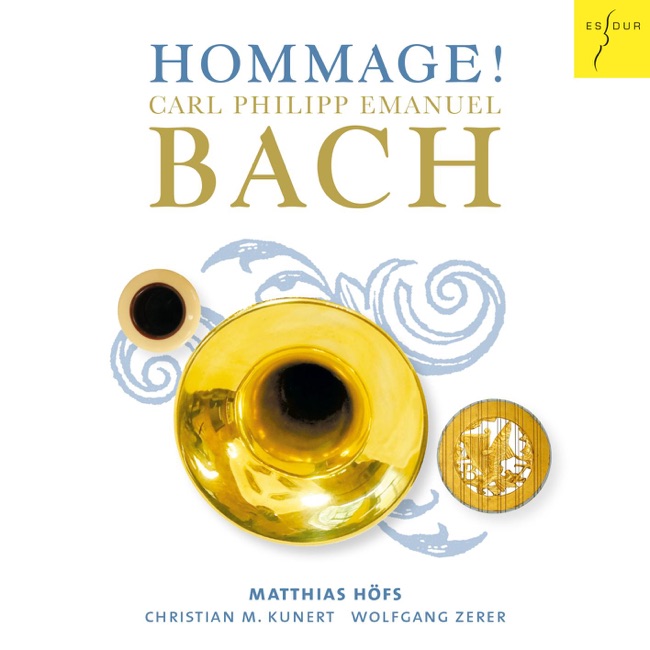

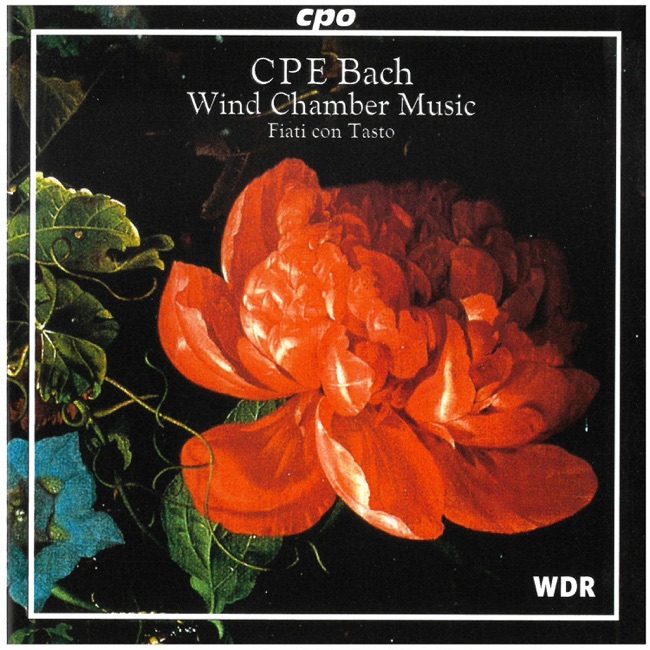
Works Info
Composer:Carl Philipp Emanuel BachGenre:ChamberStyle:SonataPublication Date:1963Average_duration:1:22Carl Philipp Emanuel Bach's Sonata for clarinet, bassoon & keyboard No. 2 in E flat major, H. 517, Wq. 92/2 was composed in 1759. The piece premiered in Berlin, where Bach was employed as a court musician, and was likely performed by the composer himself on the keyboard, along with two other musicians on the clarinet and bassoon. The sonata is comprised of three movements: an Allegro moderato, a Largo, and a Presto. The first movement is characterized by its lively and playful melody, with the clarinet and bassoon trading off the main theme. The second movement, a Largo, is more contemplative and introspective, with the keyboard providing a delicate accompaniment to the clarinet and bassoon's mournful melodies. The final movement, a Presto, is a lively and energetic conclusion to the sonata, with all three instruments playing off each other in a virtuosic display of skill. One of the most notable characteristics of this sonata is its use of the clarinet and bassoon as solo instruments, which was a relatively new development in chamber music at the time. Bach's use of these instruments allowed for a wider range of expression and color in the music, and helped to establish the clarinet and bassoon as important solo instruments in their own right. Overall, the Sonata for clarinet, bassoon & keyboard No. 2 in E flat major, H. 517, Wq. 92/2 is a charming and engaging work that showcases Bach's skill as a composer and his innovative use of instrumentation.More....
Works Music
Released Music
1

Sonata for clarinet, bassoon & keyboard No. 2 in E flat major, H. 517, Wq. 92/2
Sonata Wq92 (H517) for fortepiano, clarinet and cello Allegro di molto
1:22
2
1:24
3

1:28
4
45