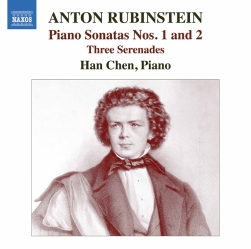
Anton Rubinstein
Piano Sonata No. 1 in E major, Op. 12
Released Album
Recent Album
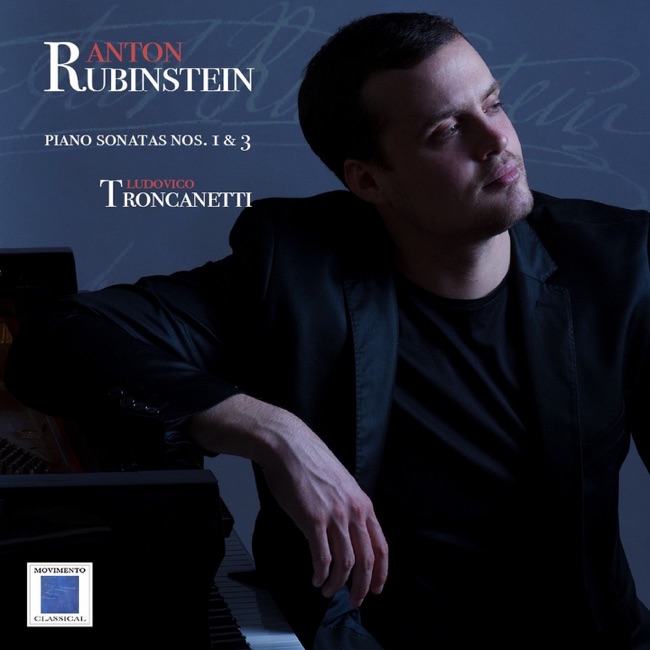
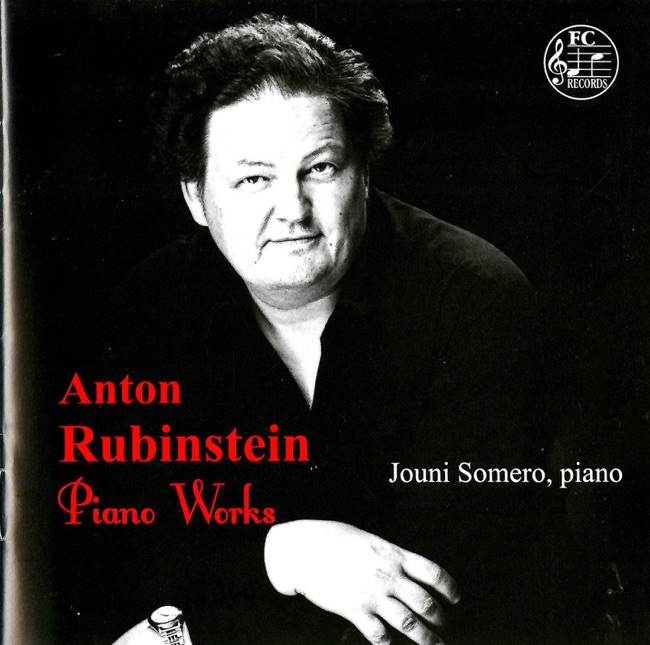
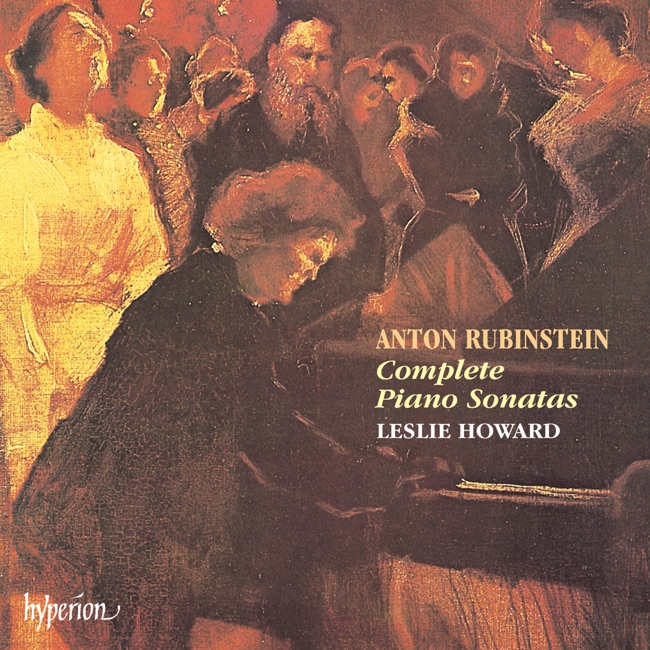
Featured Album
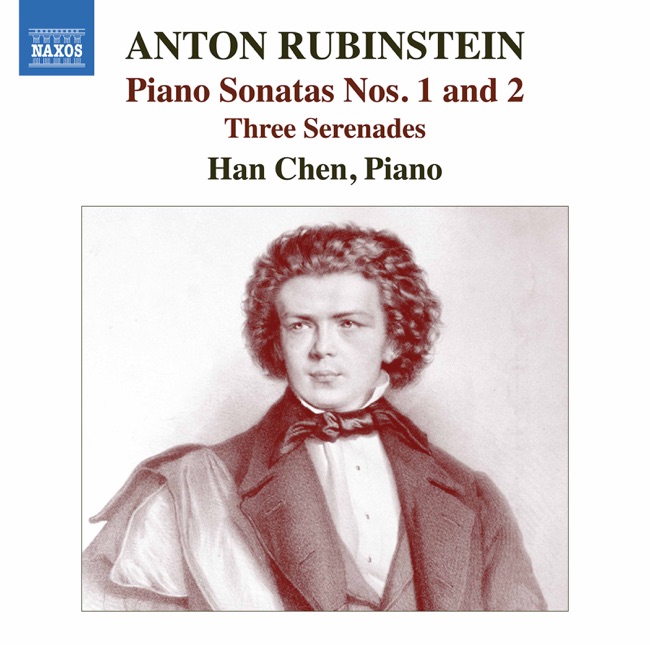
Works Info
Composer:Anton RubinsteinGenre:KeyboardStyle:SonataCompose Date:1847 - 1854Publication Date:before 1859Average_duration:25:10Movement_count:4Movement ....Anton Rubinstein's Piano Sonata No. 1 in E major, Op. 12, was composed in 1850 and premiered in St. Petersburg the same year. The sonata is divided into four movements, each with its own distinct character and mood. The first movement, marked Allegro moderato, begins with a lyrical and expressive melody in the piano's upper register. The theme is then developed and expanded upon, with the piano and the accompanying cello and violin trading off melodic lines. The movement ends with a return to the opening theme, played in a more subdued and introspective manner. The second movement, marked Andante, is a slow and melancholic piece that showcases Rubinstein's gift for melody. The piano's delicate and mournful lines are accompanied by the cello and violin, which provide a rich and sonorous backdrop. The movement builds to a powerful climax before fading away into a quiet and introspective coda. The third movement, marked Scherzo, is a lively and playful piece that contrasts sharply with the previous movement. The piano's rapid and virtuosic runs are accompanied by the cello and violin, which provide a rhythmic and harmonic foundation. The movement is marked by sudden shifts in tempo and dynamics, which add to its sense of excitement and unpredictability. The final movement, marked Allegro con fuoco, is a fiery and passionate piece that brings the sonata to a thrilling conclusion. The piano's thunderous chords and rapid runs are accompanied by the cello and violin, which provide a rich and sonorous backdrop. The movement builds to a powerful climax before ending with a triumphant coda. Overall, Rubinstein's Piano Sonata No. 1 in E major, Op. 12, is a masterful work that showcases his gift for melody, harmony, and virtuosity. The sonata's four movements are marked by a wide range of emotions and moods, from the introspective and melancholic to the lively and playful. The work is a testament to Rubinstein's skill as a composer and pianist, and remains a beloved piece in the classical repertoire.More....
Works Music
Released Music
Featured Music