Johann Friedrich Fasch
Sonata for flute, bassoon & continuo in F major
Released Album
Recent Album
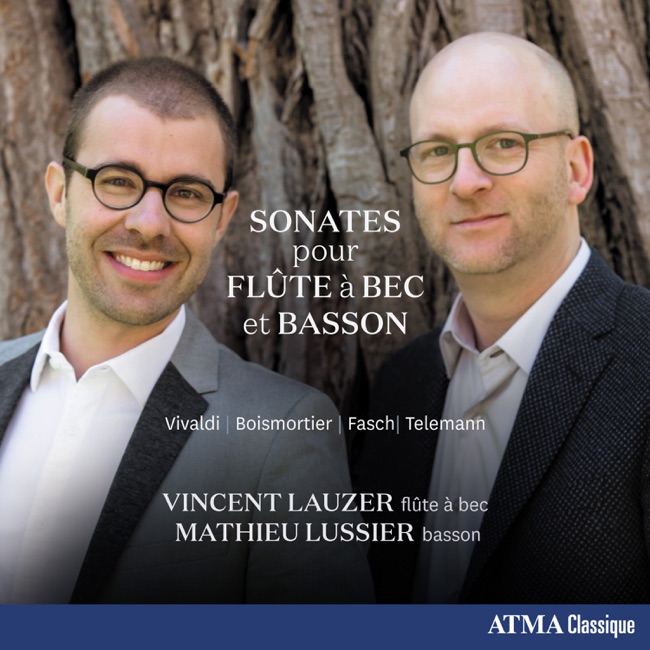
Works Info
Composer:Johann Friedrich FaschGenre:ChamberStyle:SonataAverage_duration:8:18Johann Friedrich Fasch's Sonata for flute, bassoon & continuo in F major is a Baroque chamber music piece that was composed in the early 18th century. The exact date of composition is unknown, but it is believed to have been written between 1720 and 1730. The sonata is a three-movement work that features a solo flute, bassoon, and continuo accompaniment. The sonata's premiere is also unknown, but it is likely that it was performed in the court of Zerbst, where Fasch was employed as a Kapellmeister. The piece was likely written for the court's chamber music ensemble, which was known for its high level of musicianship. The first movement of the sonata is marked "Allegro," and it features a lively and energetic melody that is passed between the flute and bassoon. The continuo provides a steady rhythmic foundation for the soloists, and also adds harmonic depth to the piece. The movement is characterized by its use of counterpoint, with the flute and bassoon often playing in imitation of each other. The second movement is marked "Largo," and it is a slow and expressive piece that showcases the lyrical qualities of the flute and bassoon. The continuo provides a simple and understated accompaniment, allowing the soloists to shine. The movement is characterized by its use of ornamentation, with the flute and bassoon adding trills and other embellishments to the melody. The final movement is marked "Allegro," and it is a fast and lively piece that brings the sonata to a thrilling conclusion. The movement features a playful and virtuosic melody that is shared between the flute and bassoon, with the continuo providing a driving rhythmic pulse. The movement is characterized by its use of syncopation, with the melody often falling on off-beats. Overall, Fasch's Sonata for flute, bassoon & continuo in F major is a charming and delightful piece of Baroque chamber music. It showcases the virtuosity of the soloists, while also highlighting the importance of the continuo in Baroque music. The piece is a testament to Fasch's skill as a composer, and it remains a beloved work in the chamber music repertoire.More....
Works Music