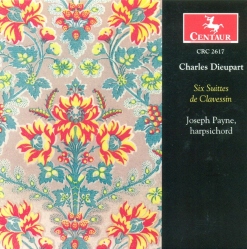
Charles Dieupart
Suite for keyboard No. 4 in E minor
Released Album
Recent Album

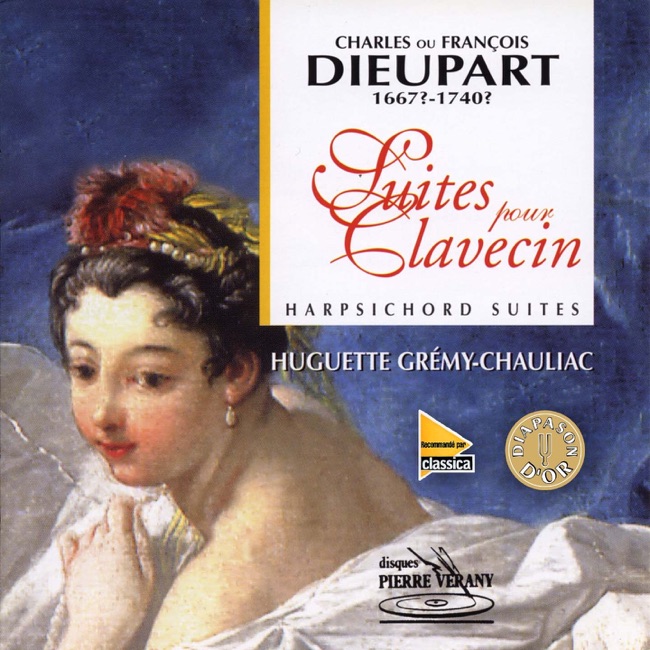
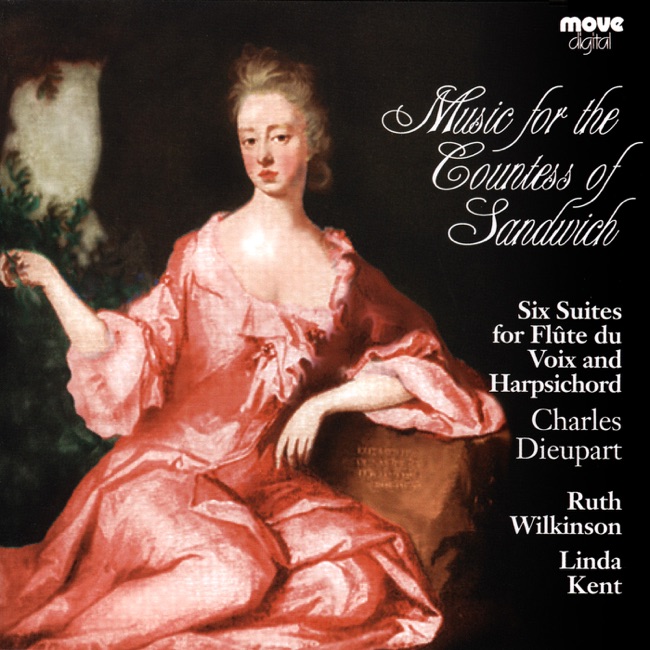
Works Info
Composer:Charles DieupartGenre:KeyboardStyle:SuiteCompose Date:1701Average_duration:13:13Movement_count:7Movement ....The Suite for keyboard No. 4 in E minor is a Baroque composition by French composer Charles Dieupart. It was composed in the early 18th century and premiered in London, England. The suite consists of six movements, each with its own unique characteristics. The first movement, Prelude, is a lively and energetic piece that sets the tone for the rest of the suite. It features fast arpeggios and intricate fingerwork, showcasing the technical skill of the performer. The second movement, Allemande, is a slower and more contemplative piece. It features a steady, flowing rhythm and a more subdued melody. This movement is characterized by its use of ornamentation, with trills and grace notes adding depth and complexity to the melody. The third movement, Courante, is a fast and lively dance. It features a driving rhythm and a playful melody, with frequent shifts in tempo and dynamics. This movement is characterized by its use of syncopation, with the melody often falling on off-beats. The fourth movement, Sarabande, is a slow and stately dance. It features a simple, elegant melody and a steady, measured rhythm. This movement is characterized by its use of ornamentation, with trills and grace notes adding depth and complexity to the melody. The fifth movement, Gavotte, is a fast and lively dance. It features a playful melody and a driving rhythm, with frequent shifts in tempo and dynamics. This movement is characterized by its use of syncopation, with the melody often falling on off-beats. The final movement, Gigue, is a fast and lively dance. It features a driving rhythm and a playful melody, with frequent shifts in tempo and dynamics. This movement is characterized by its use of counterpoint, with multiple melodies weaving in and out of each other. Overall, the Suite for keyboard No. 4 in E minor is a complex and challenging composition that showcases the technical skill and musicality of the performer. Its use of ornamentation, syncopation, and counterpoint make it a quintessential example of Baroque music.More....
Works Music
Released Music
1
1:23
6
1:56