


Charles Dieupart
Released Album
Chamber
-
 September 7, 2018
 -
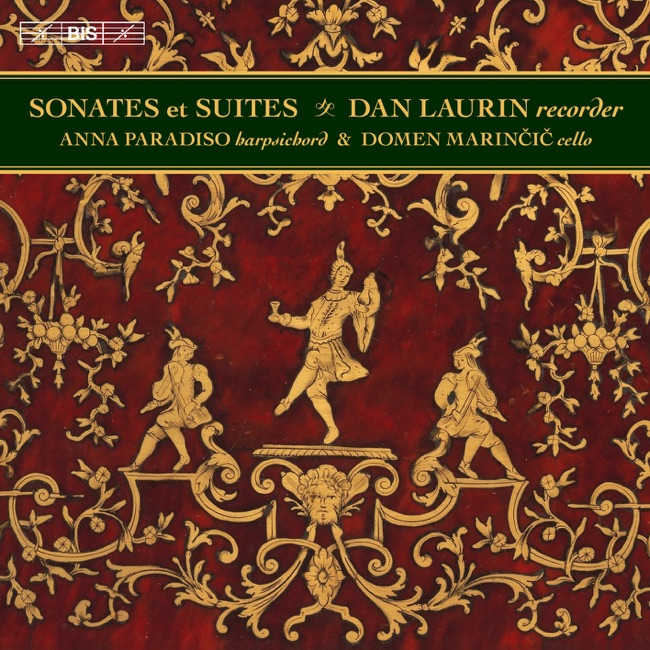 May 13, 2016
 -
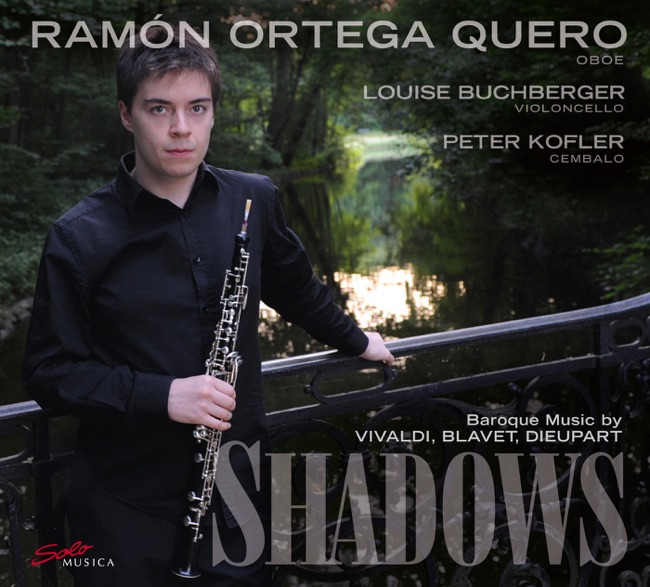 October 26, 2010
 -
 June 1, 2010
 -
 July 29, 2008
 -
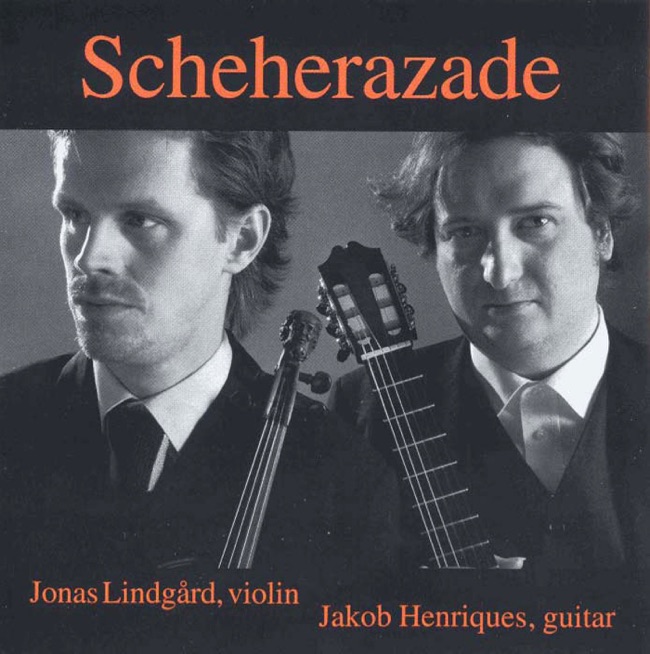 May 31, 2005
Keyboard
-
 March 31, 2015
 -
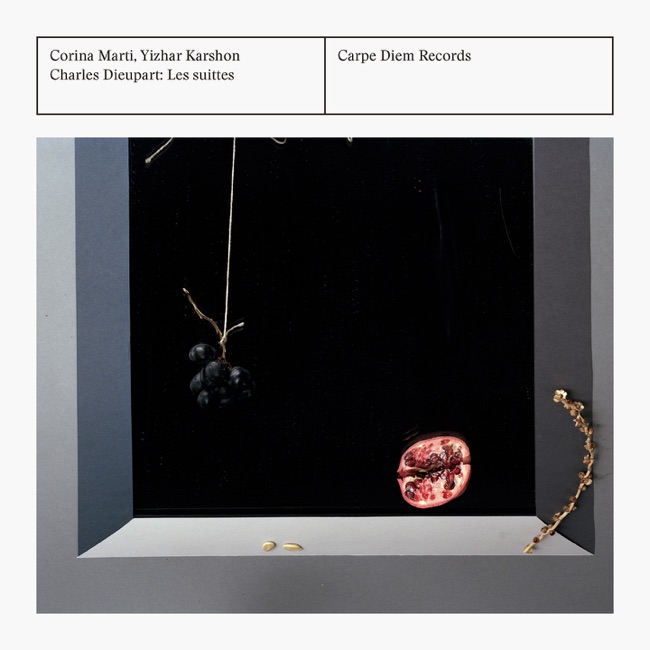 September 1, 2014
 -
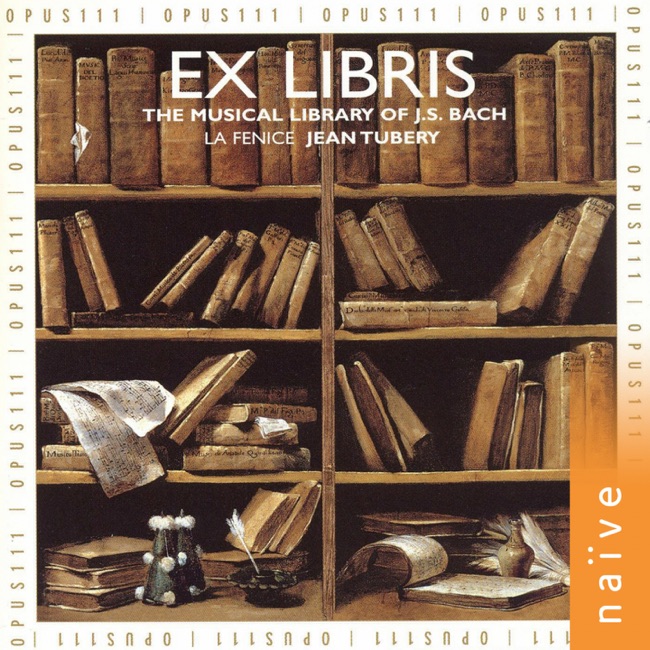 September, 2001
 -
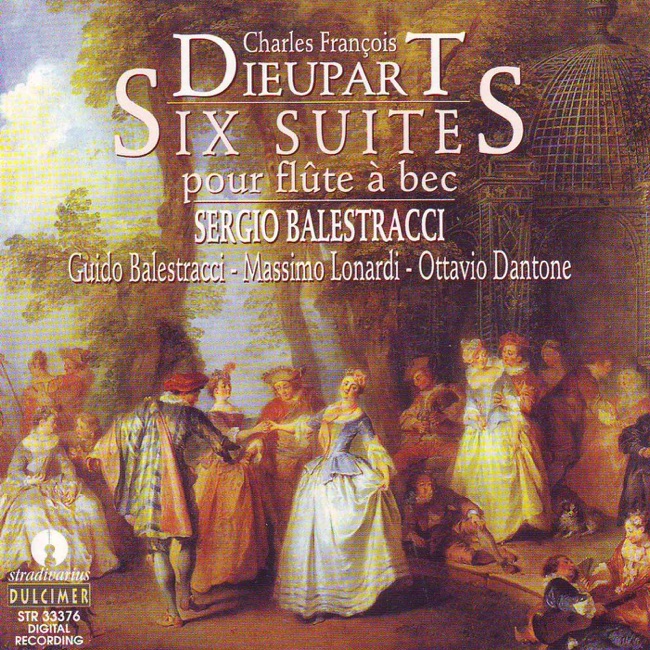 January 17, 2000
 -
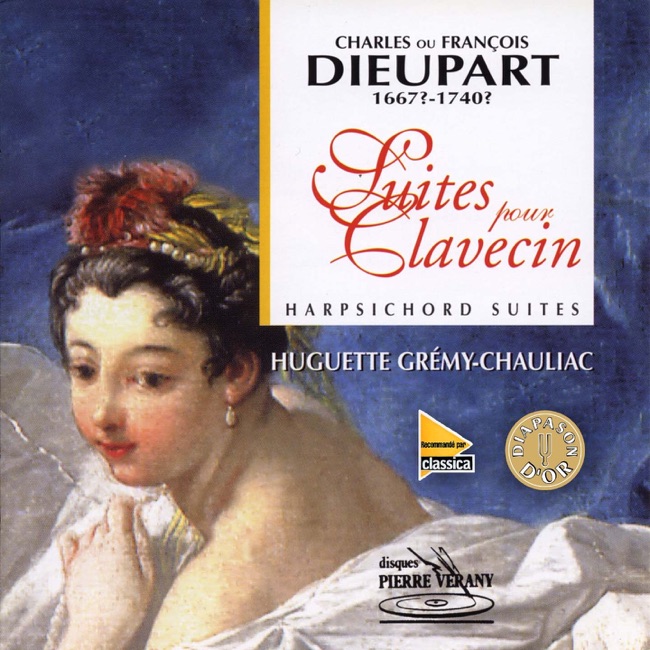 June 15, 1999
 -
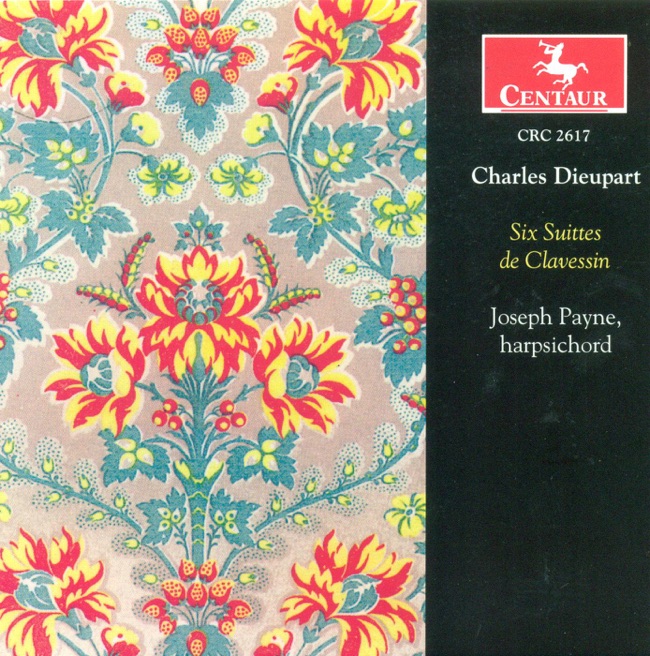 January 1, 1998
Concerto
-
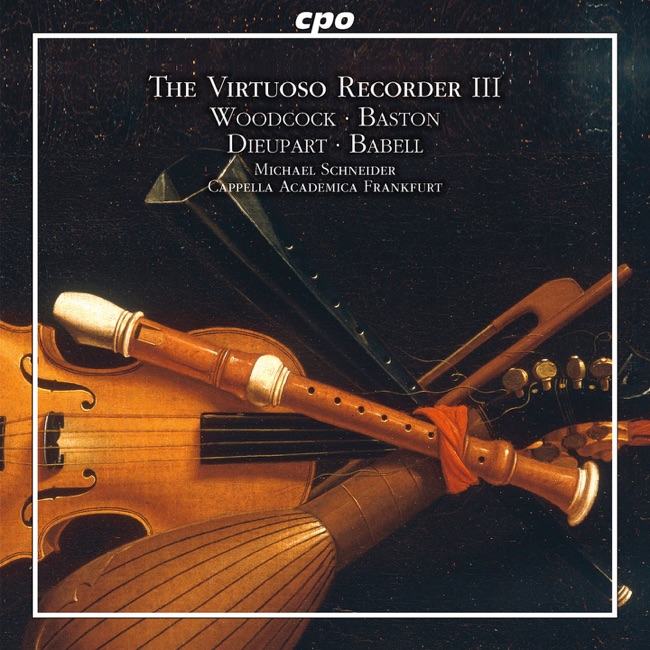 August 14, 2015
 -
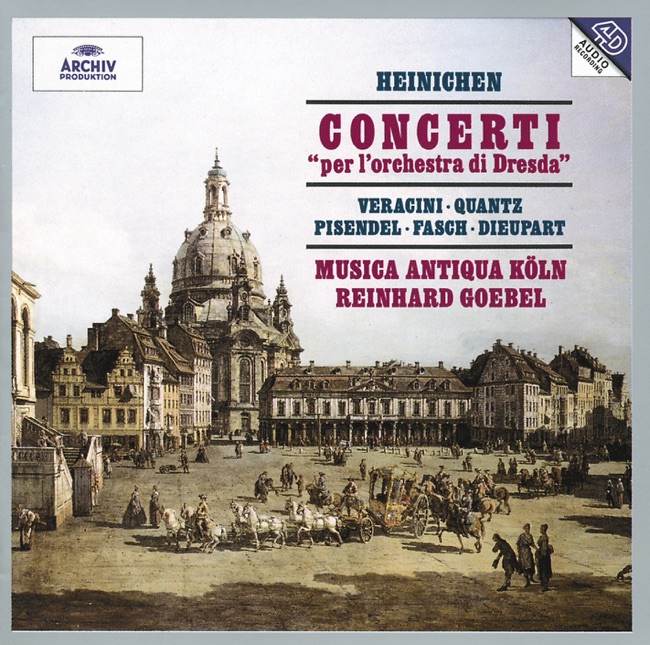 January 23, 1996
Artist Info
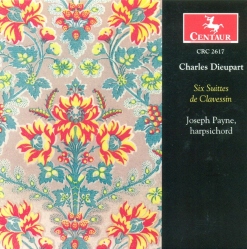
Role:ComposerCountry: FranceBirth:after 1667 in FranceDeath:ca. 1740 in EnglandPeriod:BaroqueGenre:ChamberKeyboardCharles Dieupart was a French Baroque composer and harpsichordist who lived from 1667 to 1740. He was born in Paris, France, and little is known about his early life and musical training. However, it is believed that he received his musical education in France and Italy. Dieupart's career as a musician began in the early 1690s when he moved to London, England. He quickly established himself as a prominent harpsichordist and composer, and he became a favorite of the English aristocracy. In 1702, he was appointed as the harpsichordist to the Duke of Manchester, and he remained in this position until 1710. During his time in England, Dieupart composed a number of works for the harpsichord, including suites, sonatas, and other keyboard pieces. His music was highly regarded for its elegance, refinement, and technical virtuosity. He was also known for his skill as an improviser, and he was often called upon to perform at social gatherings and other events. One of Dieupart's most famous works is his Six Suittes de Clavessin, which was published in London in 1701. This collection of keyboard suites is considered to be one of the finest examples of French Baroque music, and it showcases Dieupart's mastery of the harpsichord. The suites are characterized by their intricate ornamentation, lively rhythms, and graceful melodies, and they remain popular with harpsichordists and other musicians today. In addition to his keyboard music, Dieupart also composed a number of chamber works, including sonatas for violin and continuo, and trio sonatas for two violins and continuo. These works are notable for their expressive melodies, rich harmonies, and sophisticated counterpoint. Despite his success as a musician in England, Dieupart returned to France in the early 1710s. It is unclear why he left England, but it is possible that he was seeking new opportunities or was homesick for his native country. In France, he continued to compose music and perform as a harpsichordist, but he never achieved the same level of fame and recognition that he had enjoyed in England. Dieupart's later works reflect the changing musical tastes of the early 18th century. He began to incorporate elements of the emerging galant style into his music, which was characterized by simpler melodies, lighter textures, and a greater emphasis on melody and harmony. However, he never fully embraced this new style, and his music remained firmly rooted in the French Baroque tradition. Despite his relative obscurity today, Charles Dieupart was an important figure in the development of French Baroque music. His keyboard music in particular was highly influential, and it helped to establish the harpsichord as a solo instrument in its own right. His legacy can be heard in the works of later composers such as Jean-Philippe Rameau and François Couperin, who built upon the foundations that Dieupart had laid. In conclusion, Charles Dieupart was a talented and influential composer and harpsichordist who played an important role in the development of French Baroque music. His keyboard music in particular was highly regarded for its technical virtuosity and elegant style, and it remains popular with musicians and audiences today. Despite his relative obscurity, his legacy lives on in the works of later composers, and he continues to be remembered as one of the great musicians of the Baroque era.More....
Recent Artist Music
5
3:27
6
5:24
7
2:43

11
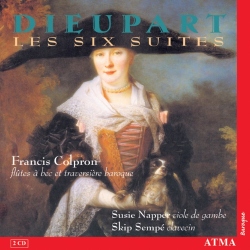
5:18
12

55
13
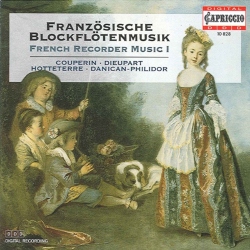
3:34
Copyright Ⓒ 2013 Davinci Finger. All rights reseved
Service Terms & Policy