


Jean Sibelius
Sonatina No. 3 in B flat minor, Op. 67/3
Released Album
Recent Album
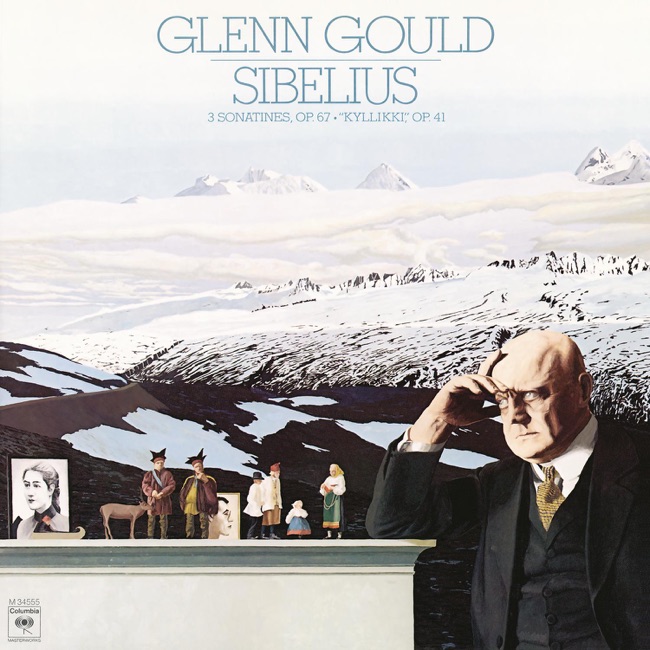
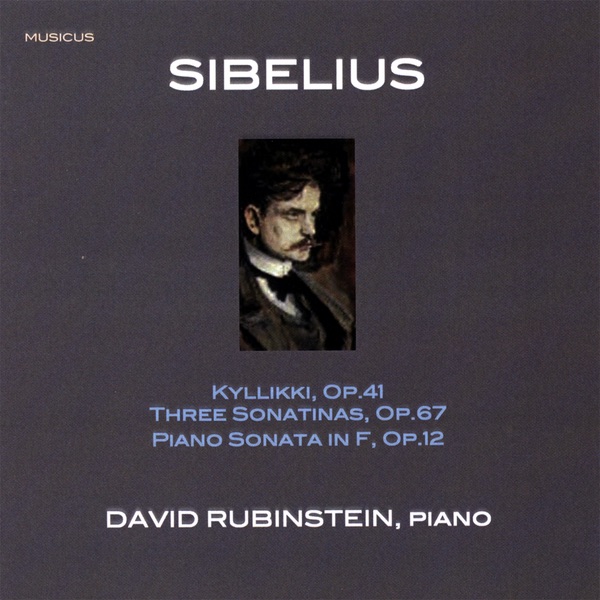
Works Info
Composer:Jean SibeliusGenre:KeyboardStyle:SonatinaCompose Date:1912Average_duration:6:57Movement_count:2Movement ....Jean Sibelius, a Finnish composer, wrote his Sonatina No. 3 in B flat minor, Op. 67/3 in 1912. The piece premiered in Helsinki, Finland, on December 12, 1912, with Sibelius himself playing the piano. The sonatina consists of three movements: Allegro moderato, Andantino, and Allegro. The first movement, Allegro moderato, begins with a melancholic and mysterious melody played by the piano. The violin then enters with a more lively and rhythmic theme, which is developed throughout the movement. The two instruments engage in a dialogue, exchanging themes and motifs, until the movement ends with a dramatic and intense coda. The second movement, Andantino, is a lyrical and expressive piece. The violin plays a beautiful and soaring melody, accompanied by the piano's gentle and delicate arpeggios. The music is full of emotion and tenderness, and the two instruments blend together in a seamless and harmonious way. The final movement, Allegro, is a lively and energetic piece. The violin and piano engage in a playful and virtuosic dialogue, exchanging fast and intricate passages. The music is full of rhythmic vitality and excitement, and the two instruments push each other to their limits. The movement ends with a triumphant and exuberant coda. Overall, Sibelius's Sonatina No. 3 in B flat minor, Op. 67/3 is a beautiful and expressive piece of music. It showcases Sibelius's mastery of melody, harmony, and form, as well as his ability to create a seamless and harmonious dialogue between two instruments. The sonatina is a testament to Sibelius's unique voice as a composer and his contribution to the world of classical music.More....
Works Music
Released Music
3
4:55