Walter Alcock
Introduction and Passacaglia
Released Album
Recent Album
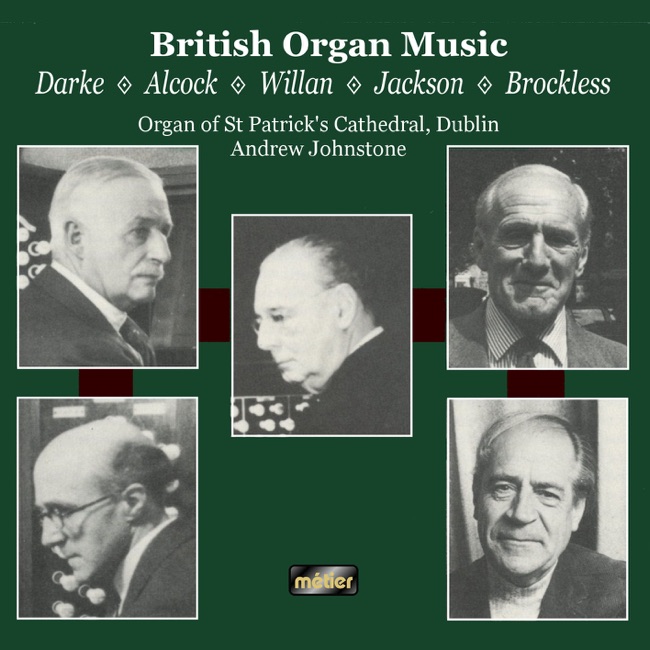
Works Info
Composer:Walter AlcockGenre:KeyboardStyle:GroundAverage_duration:12:50Movement_count:2Movement ....Introduction and Passacaglia is a composition for organ by Walter Alcock, an English organist and composer. The piece was composed in 1919 and premiered on May 22, 1920, at the Royal Albert Hall in London. It is a two-movement work that showcases Alcock's skill in organ composition. The first movement, Introduction, is marked Adagio and begins with a solemn and majestic theme played on the pedals. The theme is then taken up by the manuals and developed with rich harmonies and intricate counterpoint. The movement builds to a climax before subsiding into a quiet coda. The second movement, Passacaglia, is marked Allegro ma non troppo and is based on a repeating bass line or ground bass. The bass line is heard in the pedals and is repeated throughout the movement while the manuals play a series of variations on top. The variations range from quiet and introspective to loud and virtuosic, showcasing the full range of the organ. The movement builds to a powerful climax before ending with a quiet coda. The characteristics of Introduction and Passacaglia are typical of Alcock's style, which is characterized by rich harmonies, intricate counterpoint, and a mastery of the organ. The piece is also notable for its use of the passacaglia form, which was a popular form in Baroque music but had fallen out of favor by the early 20th century. Alcock's use of the form in Introduction and Passacaglia helped to revive interest in the form and inspired other composers to use it in their own works. Overall, Introduction and Passacaglia is a powerful and impressive work that showcases Alcock's skill as a composer and organist. Its premiere at the Royal Albert Hall was a great success and helped to establish Alcock as one of the leading organists and composers of his time.More....