


Andrew Johnstone
Released Album
Keyboard
-
 July 4, 2011
 -
Choral
Artist Info
Role:ComposerPeriod:RomanticGenre:ChoralAndrew Johnstone was a British classical music composer born on May 12, 1975, in London, England. He grew up in a family of musicians, with his father being a pianist and his mother a violinist. From a young age, Johnstone showed a keen interest in music and began playing the piano at the age of five. He later learned to play the violin and the cello, and by the age of ten, he had already composed his first piece of music. Johnstone's parents recognized his talent and encouraged him to pursue a career in music. He attended the Royal Academy of Music in London, where he studied composition under the tutelage of renowned composers such as John Tavener and Harrison Birtwistle. During his time at the academy, Johnstone also studied orchestration, conducting, and music theory, which helped him develop a deep understanding of classical music. After completing his studies, Johnstone began working as a freelance composer, writing music for various orchestras, ensembles, and soloists. His early works were heavily influenced by the classical music of the Romantic era, particularly the works of composers such as Beethoven, Brahms, and Tchaikovsky. However, as he matured as a composer, Johnstone began to develop his own unique style, which blended elements of classical, contemporary, and avant-garde music. One of Johnstone's most notable works is his Symphony No. 1, which he composed in 2005. The symphony is a grand, sweeping work that showcases Johnstone's mastery of orchestration and his ability to create complex, multi-layered textures. The piece is divided into four movements, each of which explores a different mood and theme. The first movement is a lively, energetic piece that sets the tone for the rest of the symphony. The second movement is a slow, contemplative piece that features a haunting melody played by the strings. The third movement is a lively scherzo that showcases Johnstone's skill at writing intricate, fast-paced music. The final movement is a triumphant, celebratory piece that brings the symphony to a rousing conclusion. Another notable work by Johnstone is his Piano Concerto, which he composed in 2010. The concerto is a virtuosic work that features a solo piano accompanied by a full orchestra. The piece is divided into three movements, each of which showcases the piano in a different way. The first movement is a fast, energetic piece that features intricate runs and arpeggios. The second movement is a slow, lyrical piece that showcases the piano's ability to create beautiful, expressive melodies. The final movement is a lively, rhythmic piece that brings the concerto to a thrilling conclusion. In addition to his orchestral works, Johnstone has also composed a number of chamber music pieces, including string quartets, piano trios, and sonatas. One of his most notable chamber works is his String Quartet No. 1, which he composed in 2008. The quartet is a complex, multi-layered work that showcases Johnstone's skill at writing for string instruments. The piece is divided into four movements, each of which explores a different mood and theme. The first movement is a lively, energetic piece that features intricate interplay between the four instruments. The second movement is a slow, contemplative piece that features a haunting melody played by the first violin. The third movement is a lively scherzo that showcases Johnstone's skill at writing intricate, fast-paced music.More....
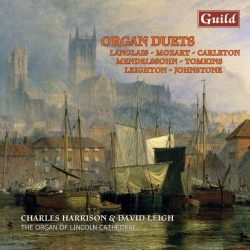
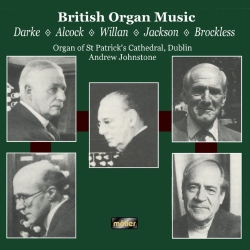
Copyright Ⓒ 2013 Davinci Finger. All rights reseved
Service Terms & Policy