


Walter Alcock
Released Album
Keyboard
-
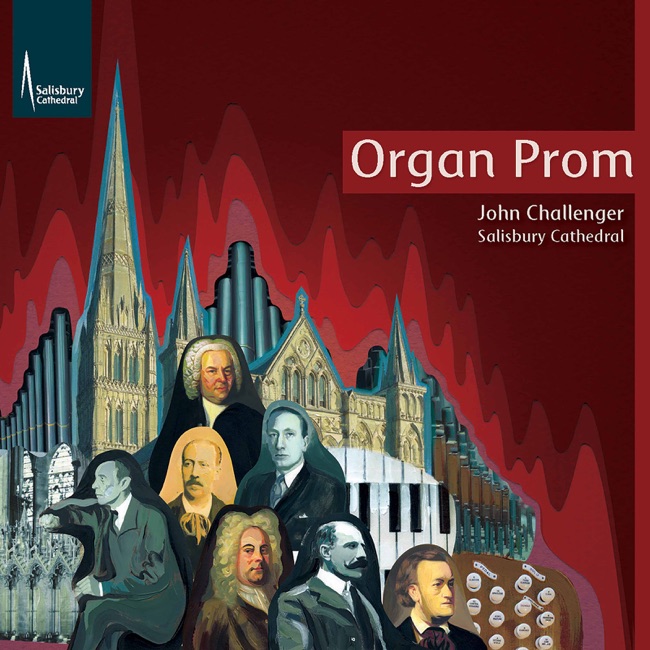 October 2, 2020
 -
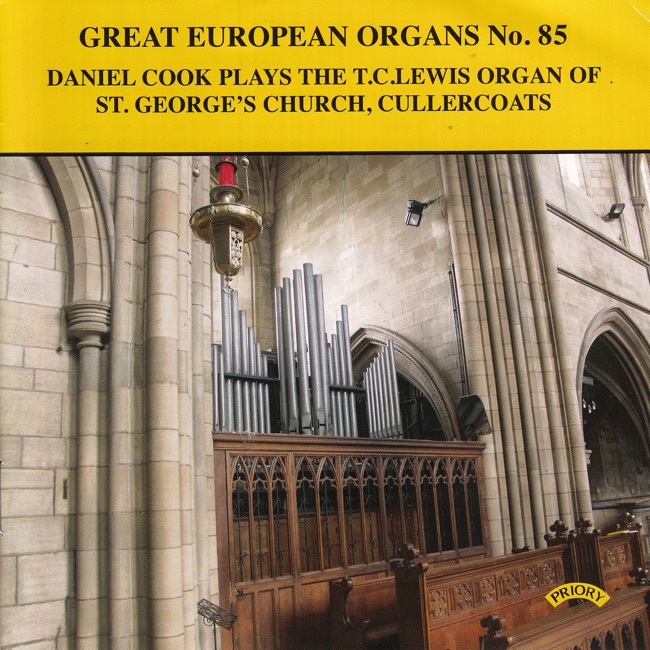 July 9, 2013
 -
 January 10, 2012
 -
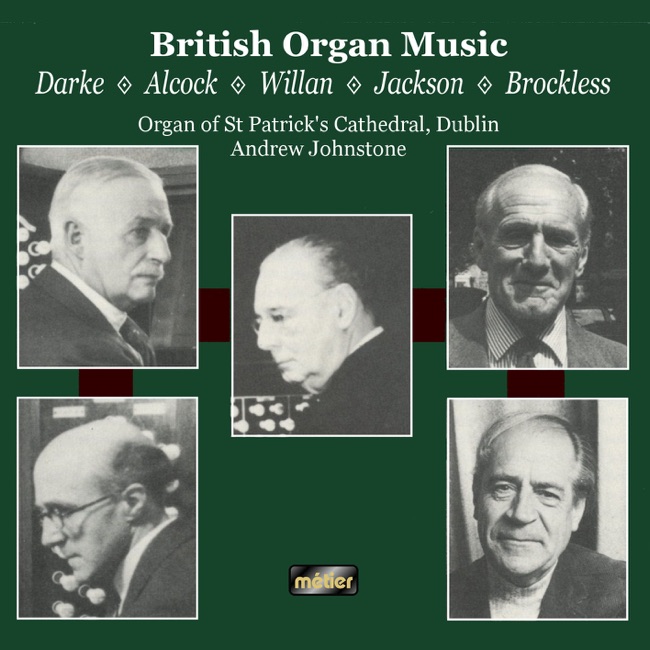
-
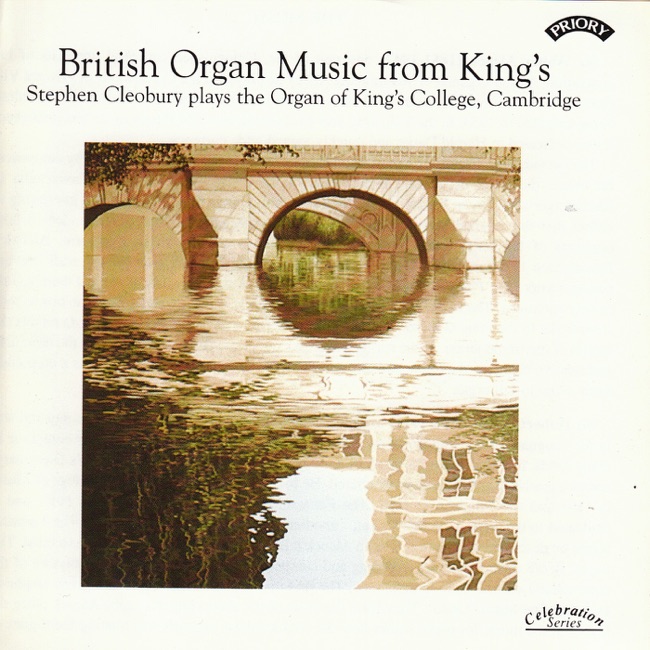 March 13, 2004
 -
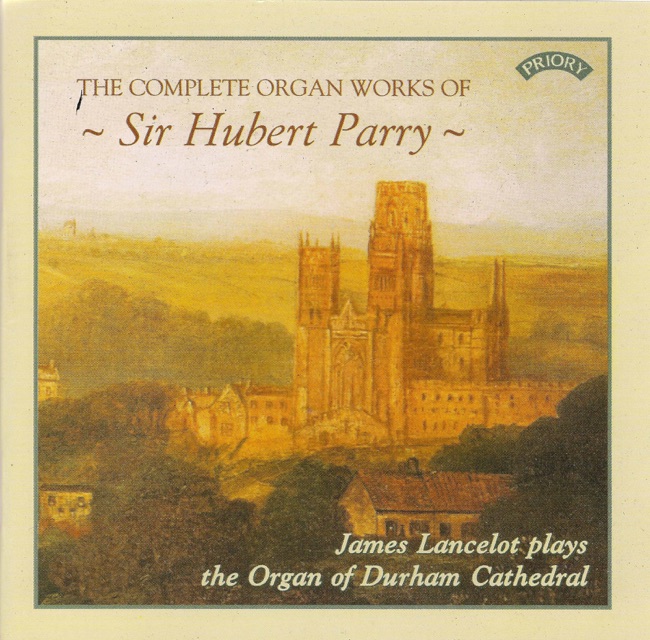 June 26, 2001
Choral
-
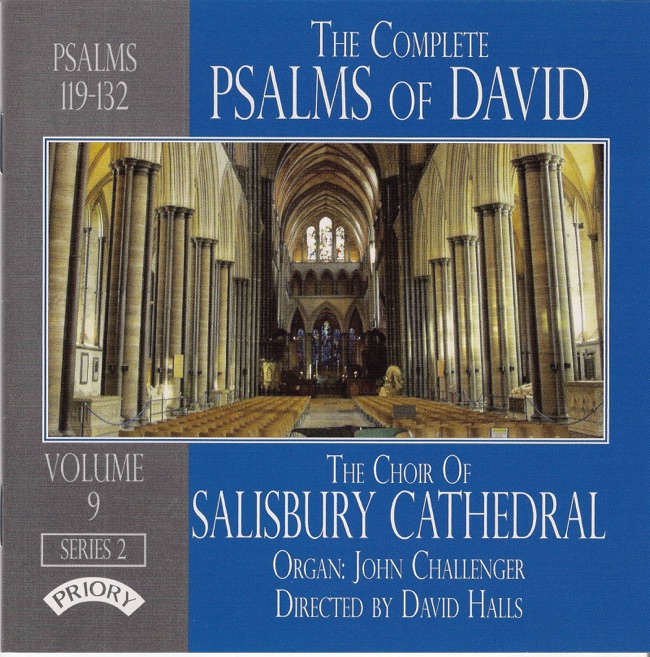
-
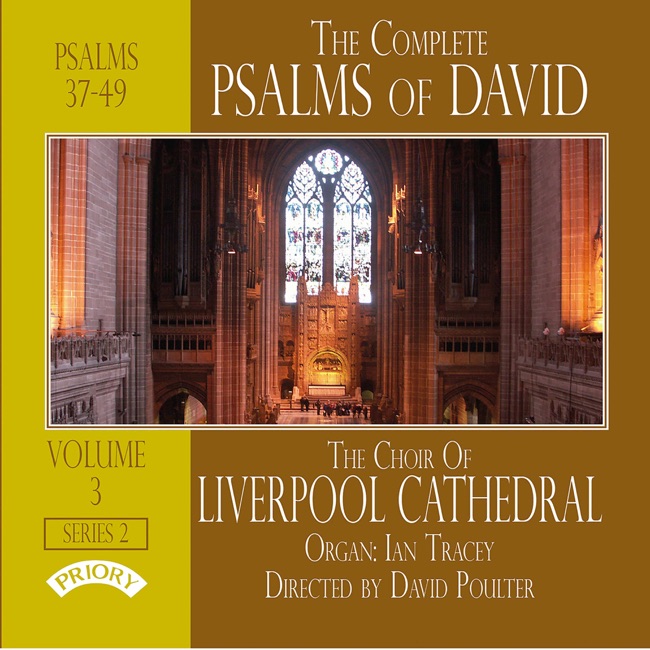
-
 April 5, 2011
 -
 September 1, 2007
 -
 March 7, 2006
 -
 May 25, 2004
Artist Info
Role:ComposerCountry: United KingdomBirth:December 29, 1861 in EldenbridgeDeath:September 11, 1947 in Salisbury, Wiltshire, EnglandPeriod:ModernGenre:ChoralKeyboardWalter Galpin Alcock was a British composer and organist who was born on 29 June 1861 in Scarborough, England. He was the son of a music teacher and organist, and his father was his first music teacher. Alcock showed an early interest in music and began playing the organ at the age of 10. He was a gifted musician and went on to study at the Royal College of Music in London. Alcock's early career was spent as an organist and choirmaster in various churches throughout England. He held positions at St. Andrew's Church in Plymouth, St. Michael's Church in Coventry, and Salisbury Cathedral. In 1898, he was appointed organist and choirmaster at the newly built Westminster Cathedral in London, a position he held until his retirement in 1947. Alcock was a prolific composer, and his works include choral music, organ music, and hymns. He was particularly known for his choral music, which was often written for the choirs he directed. His compositions were influenced by the English choral tradition, and he was known for his use of rich harmonies and intricate counterpoint. One of Alcock's most famous works is his setting of the hymn "Come, ye thankful people, come." The hymn is often sung at harvest festivals and is a staple of Anglican church music. Alcock's setting of the hymn is known for its soaring melodies and lush harmonies. Another notable work by Alcock is his "Evening Service in E-flat." The piece is a setting of the Magnificat and Nunc Dimittis, two texts from the Book of Common Prayer. The work is known for its intricate counterpoint and use of chromatic harmonies. Alcock's organ music is also highly regarded. His "Introduction and Passacaglia in D minor" is a popular piece among organists and is often performed in recitals. The piece is known for its virtuosic passages and dramatic use of the organ's full range of sounds. In addition to his compositions, Alcock was also a respected music educator. He taught at the Royal College of Music and was a professor of music at the University of Durham. He was also a fellow of the Royal College of Organists and was awarded the Lambeth Doctorate of Music in 1929. Alcock's legacy as a composer and organist continues to be celebrated today. His works are still performed in churches and concert halls around the world, and his influence on the English choral tradition is still felt today. He died on 11 February 1947 in London, England, at the age of 85.More....
Recent Artist Music
3
4:21
11
13:19
12
4:24
Copyright Ⓒ 2013 Davinci Finger. All rights reseved
Service Terms & Policy