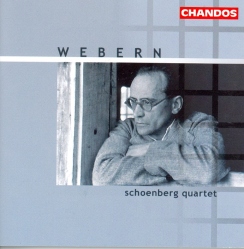
Anton Webern
Rondo for string quartet
Released Album
Recent Album
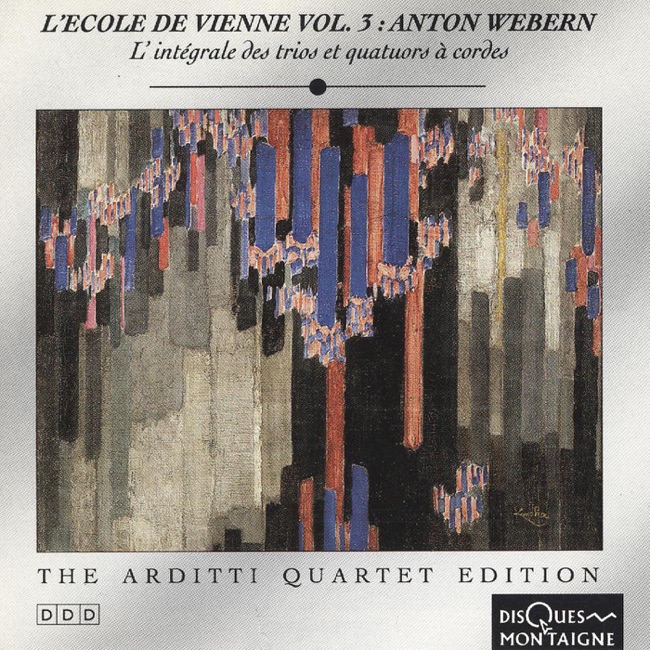
Featured Album
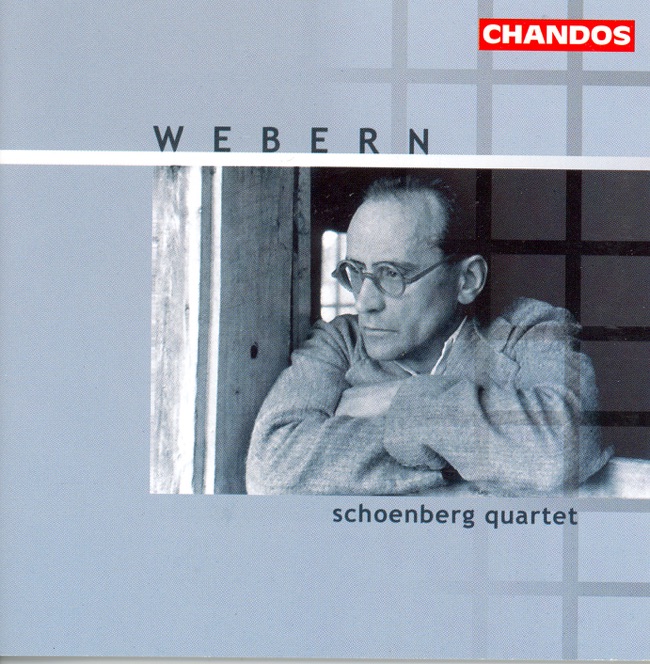
Works Info
Composer:Anton WebernGenre:ChamberStyle:RondoCompose Date:1906Average_duration:7:30Anton Webern's Rondo for string quartet is a short, yet complex piece of music that was composed in 1906. The piece was premiered in Vienna in 1907, and it is considered to be one of Webern's earliest works. The Rondo for string quartet is a single-movement piece that is characterized by its use of serialism and its intricate, highly structured form. The Rondo for string quartet is divided into three main sections, each of which is marked by a change in tempo and mood. The first section is marked "Allegro moderato" and is characterized by its lively, energetic rhythms and its use of dissonant harmonies. The second section is marked "Adagio" and is much slower and more contemplative in nature. This section features a haunting melody that is passed between the different instruments of the quartet. The final section is marked "Allegro" and is a return to the lively, energetic rhythms of the opening section. One of the most notable characteristics of the Rondo for string quartet is its use of serialism. Serialism is a compositional technique that involves the use of a series of musical elements (such as pitches, rhythms, or dynamics) that are arranged in a specific order and then used throughout the piece. In the Rondo for string quartet, Webern uses a twelve-tone row as the basis for the entire piece. This means that each of the twelve pitches in the chromatic scale is used in a specific order, and no pitch is repeated until all twelve have been used. Another characteristic of the Rondo for string quartet is its highly structured form. The piece is divided into three main sections, each of which is further divided into smaller subsections. Each subsection is marked by a change in tempo, mood, or texture, and the entire piece is carefully crafted to create a sense of unity and coherence. Overall, the Rondo for string quartet is a challenging and complex piece of music that showcases Webern's early experimentation with serialism and his mastery of form. Despite its brevity, the piece is a testament to Webern's innovative approach to composition and his ability to create music that is both intellectually stimulating and emotionally powerful.More....
Works Music
Released Music
2
8:17
5
7:22
6
6:44
8
7:51
Featured Music