Jean-Philippe Rameau
La Laborde
Released Album
Recent Album
Featured Album
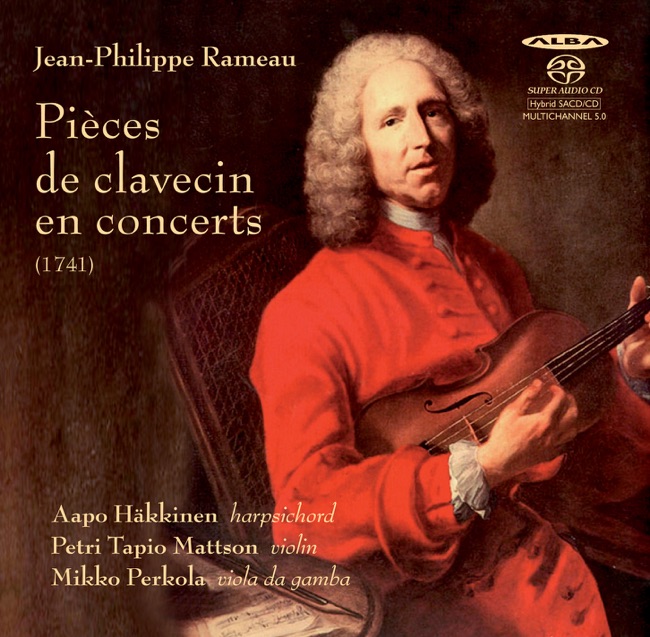
Works Info
Composer:Jean-Philippe RameauGenre:ChamberStyle:Chamber MusicCompose Date:1741Publication Date:1741Average_duration:5:08La Laborde is a suite of dances composed by Jean-Philippe Rameau in 1760. It was dedicated to the Countess of Laborde, a patron of the arts who supported Rameau throughout his career. The suite consists of six movements, each of which is characterized by its own unique style and mood. The first movement, titled "La Laborde," is a lively and energetic dance in triple meter. It features a playful melody that is passed between the different sections of the orchestra, creating a sense of joyful movement and momentum. The second movement, "Les Soupirs," is a slow and mournful piece that is characterized by its expressive use of dissonance and chromaticism. It features a haunting melody that is played by the strings, with the other instruments providing a rich and complex harmonic backdrop. The third movement, "La Boucon," is a lively and rhythmic dance in duple meter. It features a catchy melody that is played by the woodwinds, with the other instruments providing a driving rhythmic accompaniment. The fourth movement, "La Muzette," is a slow and graceful dance in triple meter. It features a delicate melody that is played by the flute, with the other instruments providing a gentle and understated accompaniment. The fifth movement, "La Chasse," is a fast and lively dance in duple meter. It features a driving rhythm and a playful melody that is passed between the different sections of the orchestra, creating a sense of excitement and anticipation. The final movement, "Les Triolets," is a fast and virtuosic dance in triple meter. It features a complex and intricate melody that is played by the strings, with the other instruments providing a rich and colorful harmonic backdrop. Overall, La Laborde is a masterful example of Rameau's skill as a composer of dance music. Each movement is characterized by its own unique style and mood, showcasing Rameau's ability to create a wide range of musical expressions within a single suite. The piece premiered in Paris in 1760 and has since become a beloved classic of the Baroque repertoire.More....