


Michael Haydn
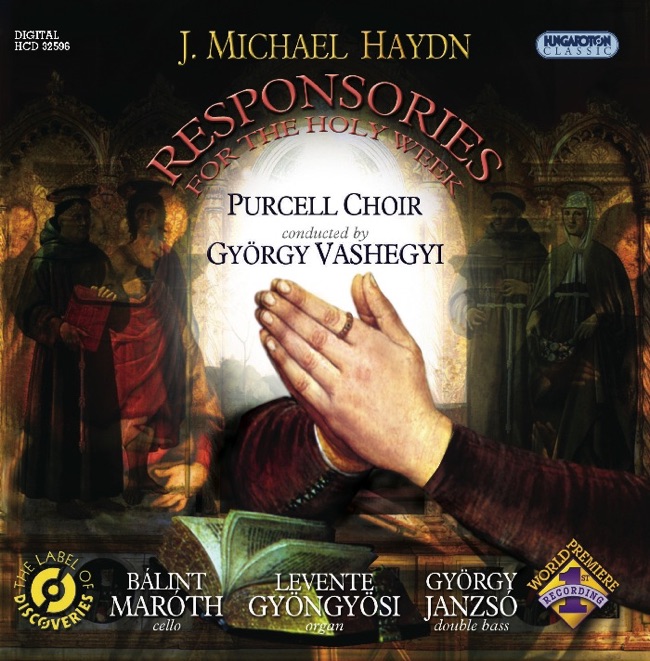
Responsoria in Sabbato Sancto, MH 278 (KL 5:9c)
Released Album
Recent Album
Works Info
Composer:Michael HaydnGenre:ChoralCompose Date:April 4, 1778Average_duration:19:08Michael Haydn's 'Responsoria in Sabbato Sancto, MH 278 (KL 5:9c)' is a choral work composed in 1771. It was premiered in Salzburg, Austria, during the Holy Week of that year. The piece consists of nine movements, each of which is a responsory, a type of chant used in the Catholic liturgy. The first movement, "In monte Oliveti," begins with a somber and mournful tone, reflecting the agony of Christ in the Garden of Gethsemane. The second movement, "Tristis est anima mea," continues this theme, with the choir singing in a low register and using dissonant harmonies to convey the sadness of the occasion. The third movement, "Ecce vidimus eum," is more upbeat, with the choir singing in a higher register and using more consonant harmonies. This movement reflects the joy of the disciples upon seeing Christ after his resurrection. The fourth movement, "Amicus meus," returns to a mournful tone, with the choir singing in a low register and using dissonant harmonies to convey the betrayal of Christ by Judas. The fifth movement, "Iudas mercator pessimus," continues this theme, with the choir singing in a low register and using dissonant harmonies to convey the treachery of Judas. The sixth movement, "Unus ex discipulis meis," is a solo aria sung by a tenor, reflecting the sorrow of Christ at the betrayal of Judas. The seventh movement, "Eram quasi agnus innocens," returns to a mournful tone, with the choir singing in a low register and using dissonant harmonies to convey the innocence of Christ in the face of his accusers. The eighth movement, "Caligaverunt oculi mei," is a solo aria sung by a bass, reflecting the darkness that descended upon the earth during the crucifixion. The final movement, "Sepulto Domino," is a joyful and triumphant piece, with the choir singing in a higher register and using consonant harmonies to convey the resurrection of Christ. Overall, 'Responsoria in Sabbato Sancto, MH 278 (KL 5:9c)' is a powerful and emotional work that reflects the solemnity and joy of the Holy Week. Michael Haydn's use of dissonant harmonies and low registers in the mournful movements creates a sense of sadness and despair, while his use of consonant harmonies and higher registers in the joyful movements creates a sense of hope and triumph.More....
Works Music
Released Music
1
Responsoria in Sabbato Sancto, MH 278 (CL 5:9c)
O vos omnes (from: Responsoria in Sabbato Sancto), MH 278, 5
2:39
3
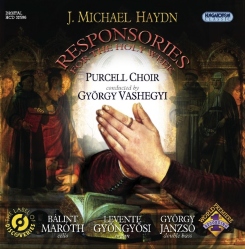
Responsoria in Sabbato Sancto, MH 278 (CL 5:9c)
Holy Saturday. Second matin-nocturn. O vos omnes - Responsorium Nr. 2
2:15