Johann Kaspar Kerll
Missa "Non sine quare"
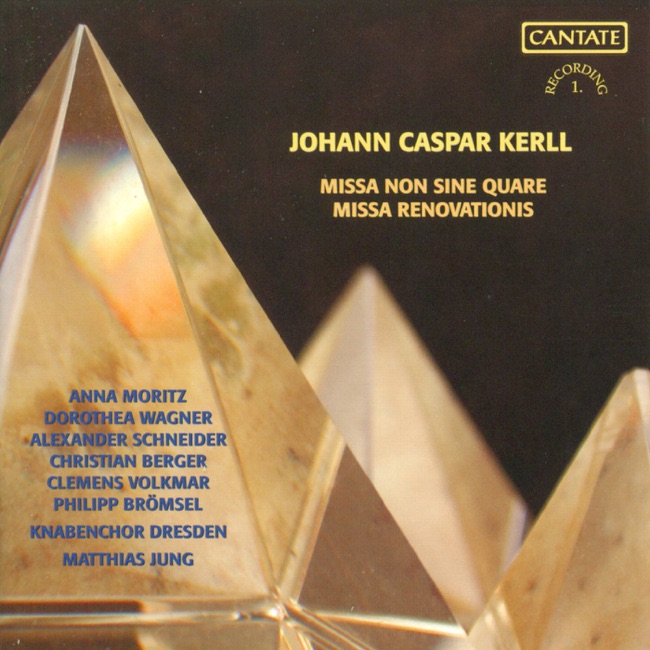
Released Album
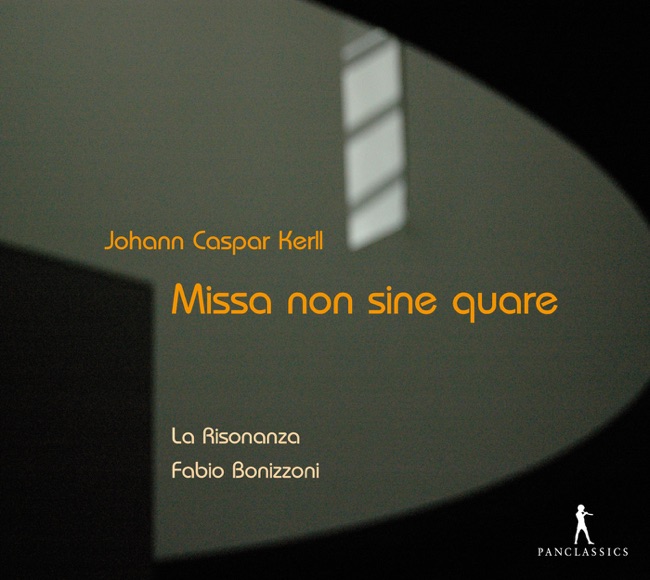
Recent Album
Works Info
Composer:Johann Kaspar KerllGenre:ChoralStyle:ChoralCompose Date:1689Johann Kaspar Kerll's 'Missa Non sine quare' is a Baroque choral work that was composed in the late 17th century. The piece was premiered in Vienna, Austria, in 1689, and it is considered to be one of Kerll's most significant works. The 'Missa Non sine quare' is divided into six movements, each of which showcases Kerll's mastery of counterpoint and harmonic complexity. The first movement, the Kyrie, begins with a solemn choral introduction that sets the tone for the entire piece. The Gloria, the second movement, is a lively and celebratory piece that features intricate vocal harmonies and a prominent organ accompaniment. The Credo, the third movement, is one of the most complex and challenging pieces in the entire work. It features a dense and intricate vocal texture that requires a high level of skill and precision from the performers. The Sanctus, the fourth movement, is a bright and joyful piece that features a soaring soprano solo and a lively choral accompaniment. The fifth movement, the Agnus Dei, is a somber and introspective piece that features a hauntingly beautiful vocal melody. The final movement, the Dona nobis pacem, is a triumphant and uplifting piece that brings the entire work to a rousing conclusion. Overall, the 'Missa Non sine quare' is a stunning example of Baroque choral music. It showcases Kerll's mastery of counterpoint and harmonic complexity, and it is a testament to his skill as a composer. The piece remains a popular choice for choral performances to this day, and it continues to be celebrated as one of Kerll's most significant works.More....