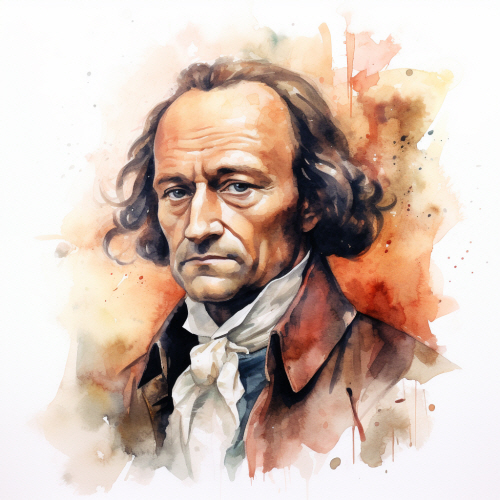
Johann Pachelbel
Prelude, for organ in D minor, T. 222
Released Album
Recent Album
Works Info
Composer:Johann PachelbelGenre:KeyboardStyle:PreludeCompose Date:before Apr 1706Average_duration:5:36Johann Pachelbel's Prelude for organ in D minor, T. 222, is a beautiful and haunting piece of music that was composed in the late 17th century. The exact date of its composition is unknown, but it is believed to have been written sometime between 1680 and 1706. The piece is one of Pachelbel's most famous works and has been performed and recorded by countless musicians over the years. The Prelude for organ in D minor is a single movement piece that is characterized by its slow, mournful melody and its use of counterpoint. The piece is written in the key of D minor, which gives it a dark and somber quality. The melody is played on the organ's upper register, while the lower register provides a steady bass line. The piece is relatively simple in terms of its structure, but it is incredibly effective in creating a mood of sadness and melancholy. The Prelude for organ in D minor was likely composed for use in church services, as Pachelbel was a prolific composer of sacred music. The piece is often performed during funerals or other solemn occasions, as its mournful melody is well-suited to such events. However, it is also a popular piece for recitals and concerts, as its beauty and simplicity make it accessible to a wide range of audiences. One of the most notable characteristics of the Prelude for organ in D minor is its use of counterpoint. Counterpoint is a technique in which two or more melodies are played simultaneously, creating a complex and harmonious sound. Pachelbel was a master of counterpoint, and this piece is a great example of his skill in this area. The melody and bass line in the Prelude for organ in D minor are both simple on their own, but when played together, they create a rich and intricate sound that is both beautiful and haunting. The Prelude for organ in D minor was likely premiered in a church setting, as this was the primary venue for organ music during Pachelbel's time. However, the piece has since been performed in a wide range of settings, from concert halls to cathedrals to private homes. Its enduring popularity is a testament to its beauty and emotional power, and it remains one of Pachelbel's most beloved works to this day.More....
Works Music
Released Music
1
5:38
2
5:38
5
5:59
7
5:43
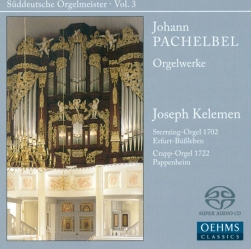
9
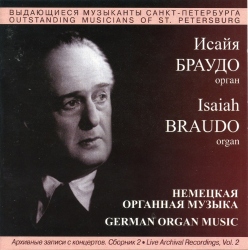
5:25
10
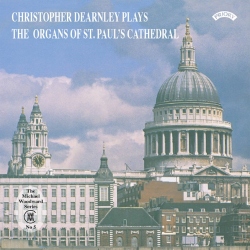
5:52