


Heinrich Schütz
O meine Seel, warum bist du betrübet, SWV 419
Released Album
Recent Album

Works Info
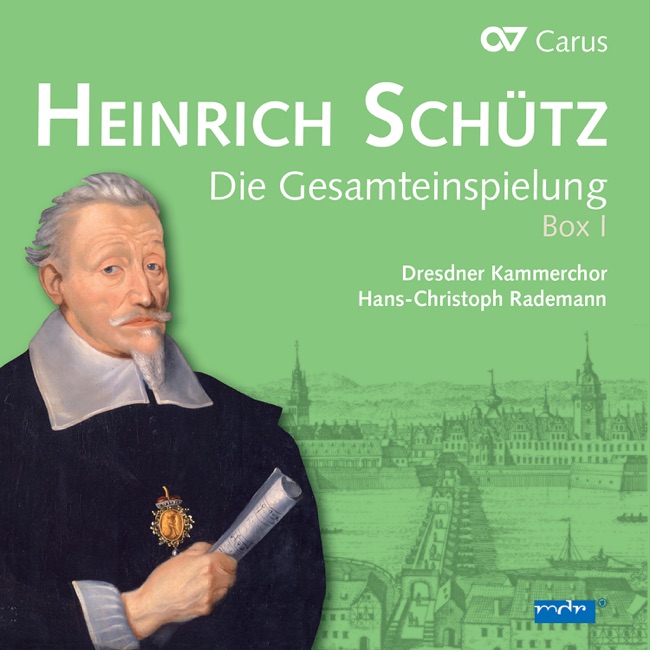
Composer:Heinrich SchützGenre:ChoralAverage_duration:7:49Heinrich Schütz's 'O meine Seel, warum bist du betrübet' (Oh my soul, why are you troubled) is a sacred vocal work composed in the 17th century. The piece is part of Schütz's collection of sacred music, 'Geistliche Chormusik', which was published in 1648. The premiere of 'O meine Seel, warum bist du betrübet' is not recorded, but it is believed to have been performed in Dresden, where Schütz was the court composer for the Elector of Saxony. The piece is written for four voices (soprano, alto, tenor, and bass) and is accompanied by a basso continuo. The work is divided into three movements. The first movement begins with a mournful and introspective melody sung by the soprano soloist. The other voices join in, creating a rich and complex texture. The second movement is a duet between the alto and tenor voices. The two singers weave their voices together in a beautiful and intricate counterpoint. The final movement is a chorale, in which all four voices sing together in harmony. The characteristics of 'O meine Seel, warum bist du betrübet' reflect Schütz's unique style of composition. Schütz was a master of the Baroque style, and his music is characterized by its use of complex harmonies, intricate counterpoint, and expressive melodies. In 'O meine Seel, warum bist du betrübet', Schütz uses these techniques to create a deeply emotional and introspective work. The piece is a meditation on the human condition, and the music reflects the sadness and despair that can sometimes overwhelm us. Overall, 'O meine Seel, warum bist du betrübet' is a beautiful and moving work that showcases Schütz's mastery of sacred music. Its haunting melodies and complex harmonies make it a timeless piece that continues to be performed and appreciated today.More....
Works Music
Released Music
1
7:49
2

O my soul, why are you sad, SWV 419
O meine Seel, warum bist du betrübet (Ein Trauer-Lied von dem Wittwer selbst auffgesetzet), SWV 419
7:49