


Igor Stravinsky
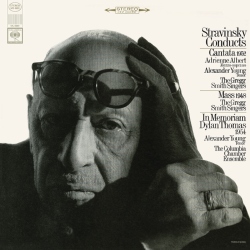
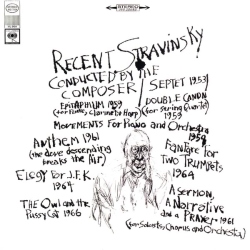
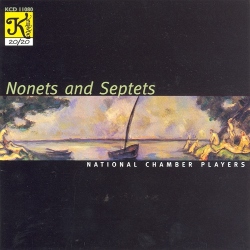
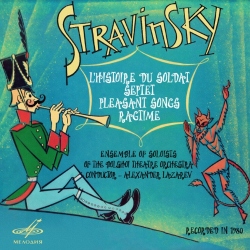
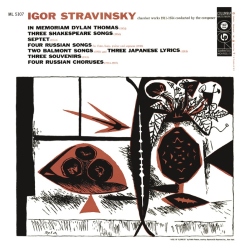
Septet, for clarinet, bassoon, horn, piano, violin, viola & cello
Released Album
Recent Album
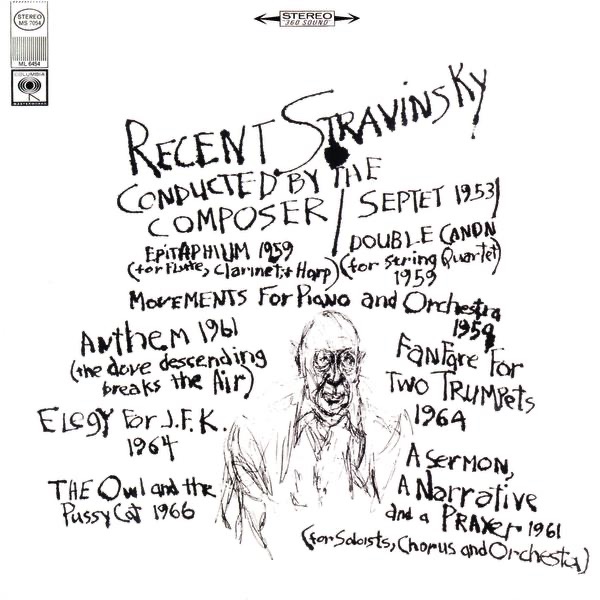

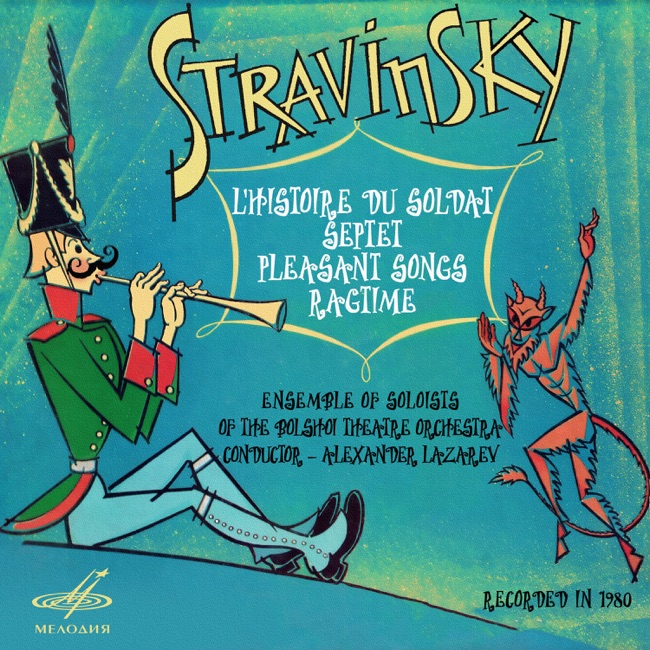
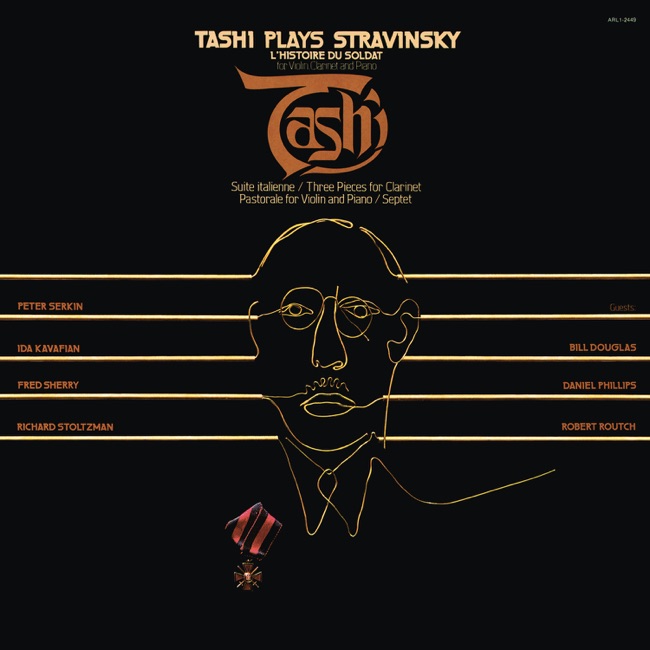
Works Info
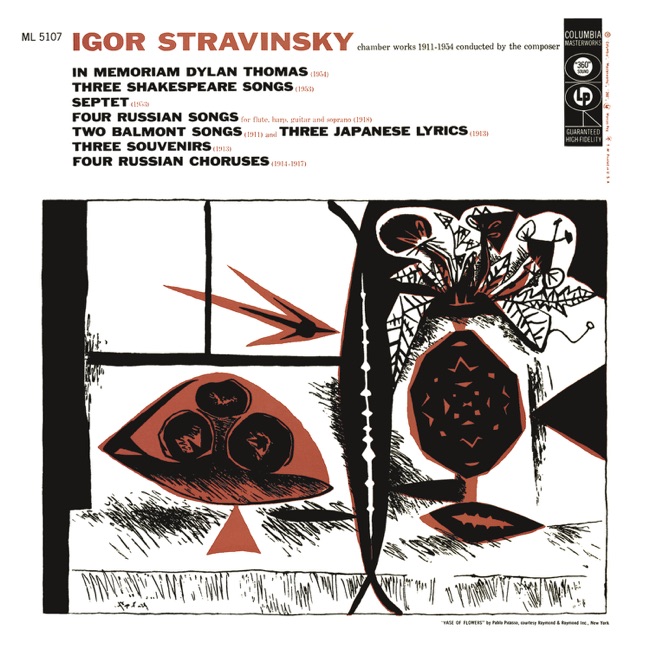
Composer:Igor StravinskyGenre:ChamberStyle:SeptetCompose Date:1953First Performance:Jan 23, 1954Average_duration:11:38Movement_count:3Movement ....Igor Stravinsky's Septet for clarinet, bassoon, horn, piano, violin, viola, and cello was composed in 1953 and premiered on October 18th of the same year in Los Angeles. The piece is divided into three movements, each with its own distinct character and style. The first movement, titled "Sinfonia," is marked by its lively and playful nature. The clarinet and bassoon take turns leading the melody, while the other instruments provide a rhythmic accompaniment. The movement is characterized by its use of syncopation and irregular rhythms, which give it a sense of unpredictability and energy. The second movement, "Tema con variazioni," is a set of variations on a simple theme introduced by the clarinet. Each variation explores different textures and harmonies, with the instruments taking turns playing the melody and providing accompaniment. The movement is notable for its use of dissonance and unconventional harmonies, which create a sense of tension and unease. The final movement, "Capriccio," is a lively and energetic dance. The piano and strings provide a driving rhythm, while the clarinet, bassoon, and horn play a playful melody. The movement is marked by its use of syncopation and irregular rhythms, which give it a sense of unpredictability and energy. Overall, Stravinsky's Septet is a playful and energetic work that showcases the composer's mastery of rhythm and harmony. The piece is notable for its use of unconventional harmonies and rhythms, which create a sense of tension and unpredictability. Despite its modernist tendencies, the Septet is also a highly accessible work that is sure to delight audiences of all ages and backgrounds.More....
Works Music
Released Music
1
3:23
4
4:35
5
4:36

7
Septet, for clarinet, bassoon, horn, piano, violin, viola & cello
Movement 2: Passacaglia, Circa = 60
4:45
8
2:43
10
3:26
Main Perform Artists
Clavichord
Clarinet
French Horn
Bassoon
Violin
Cello