Silvius Leopold Weiss
Sonata for lute in F major (London MS No. 25), WeissSW 31
Released Album
Recent Album
Works Info
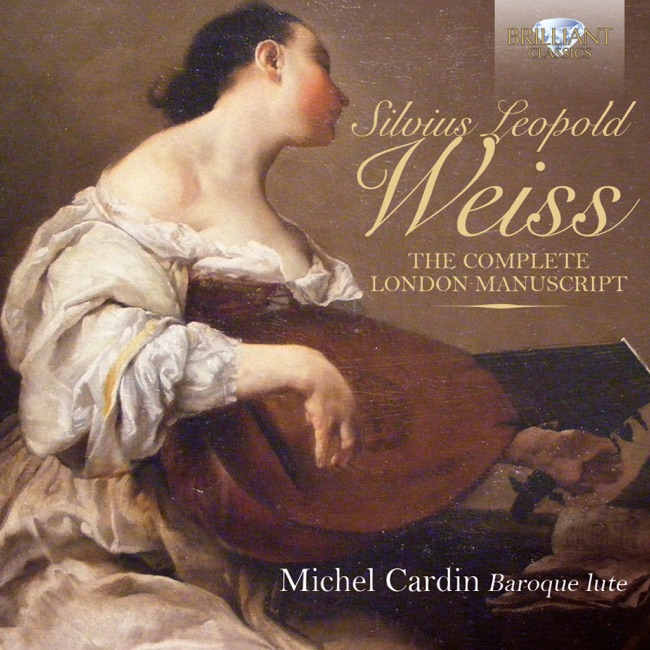
Composer:Silvius Leopold WeissGenre:ChamberAverage_duration:21:48Movement_count:7Movement ....Silvius Leopold Weiss, a German composer and lutenist, composed the 'Sonata for lute in F major (London MS No. 25), WeissSW 31' in the early 18th century. The exact date of composition is unknown, but it is believed to have been written between 1710 and 1730. The sonata is one of Weiss's most famous works and is considered a masterpiece of the Baroque era. The 'Sonata for lute in F major' consists of four movements: Prelude, Allemande, Courante, and Sarabande. The Prelude is a lively and energetic piece that showcases Weiss's virtuosic lute playing. The Allemande is a slower, more contemplative piece that features intricate fingerpicking and delicate ornamentation. The Courante is a fast-paced dance that highlights Weiss's skill at creating complex rhythms and harmonies. The Sarabande is a slow and mournful piece that showcases Weiss's ability to create beautiful melodies on the lute. One of the most notable characteristics of the 'Sonata for lute in F major' is its use of counterpoint. Weiss was a master of counterpoint, and the sonata features intricate and complex interweaving of melodies and harmonies. Another characteristic of the sonata is its use of ornamentation. Weiss was known for his use of ornamentation, and the sonata features a variety of trills, mordents, and other embellishments. The 'Sonata for lute in F major' premiered in the early 18th century, likely in the courts of Germany or Austria. It quickly became popular among lutenists and was widely performed throughout Europe. Today, it is still considered one of the most important works in the lute repertoire and is frequently performed and recorded by modern lutenists. In conclusion, the 'Sonata for lute in F major (London MS No. 25), WeissSW 31' is a masterpiece of the Baroque era. Composed by Silvius Leopold Weiss in the early 18th century, the sonata features intricate counterpoint, beautiful ornamentation, and a variety of dance movements. It premiered in the courts of Germany or Austria and quickly became popular among lutenists throughout Europe. Today, it is still considered one of the most important works in the lute repertoire.More....
Works Music
Released Music