Henry Cowell
Tiger, HC 463/2
Released Album
Recent Album



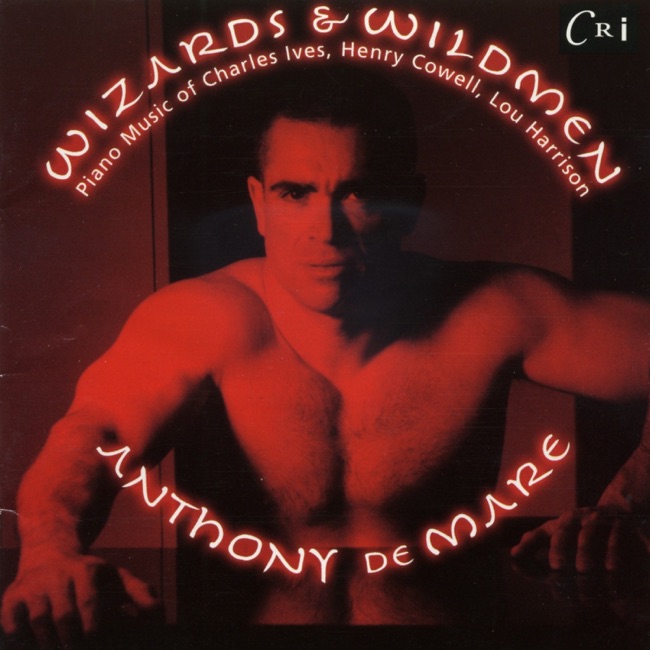
Featured Album

Works Info
Composer:Henry CowellGenre:KeyboardStyle:Character PieceCompose Date:1926Publication Date:May 1929First Performance:Oct 18, 1927Average_duration:3:06"Tiger, HC 463/2" is a solo piano piece composed by Henry Cowell in 1928. The piece premiered on May 10, 1928, at the New School for Social Research in New York City. It is a part of Cowell's "Dynamic Motion" series, which explores the rhythmic and harmonic possibilities of the piano. The piece is divided into three movements, each with its own distinct character. The first movement, marked "Allegro," is a fast and energetic piece that features rapid arpeggios and syncopated rhythms. The second movement, marked "Andante," is a slower and more contemplative piece that features a lyrical melody and rich harmonies. The final movement, marked "Allegro con fuoco," is a fiery and virtuosic piece that showcases the pianist's technical abilities. One of the most notable characteristics of "Tiger" is Cowell's use of tone clusters. A tone cluster is a chord made up of adjacent notes on the piano, and Cowell was one of the first composers to use them extensively in his music. In "Tiger," he uses tone clusters to create a dense and dissonant sound that adds to the piece's sense of energy and motion. Another characteristic of "Tiger" is Cowell's use of unconventional playing techniques. In addition to tone clusters, he also uses glissandos (sliding the fingers across the keys) and percussive effects (striking the keys with the palm of the hand or the forearm) to create a wide range of sounds and textures. Overall, "Tiger, HC 463/2" is a dynamic and innovative piece that showcases Cowell's unique approach to piano composition. Its use of tone clusters and unconventional playing techniques make it a landmark work in the history of 20th-century music.More....
Works Music
Released Music

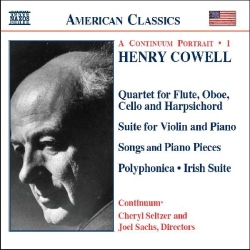


Featured Music