


Béla Bartók
Hungarian Peasant Songs (Suite paysanne hongroise), Sz. 97
Released Album
Recent Album



Works Info
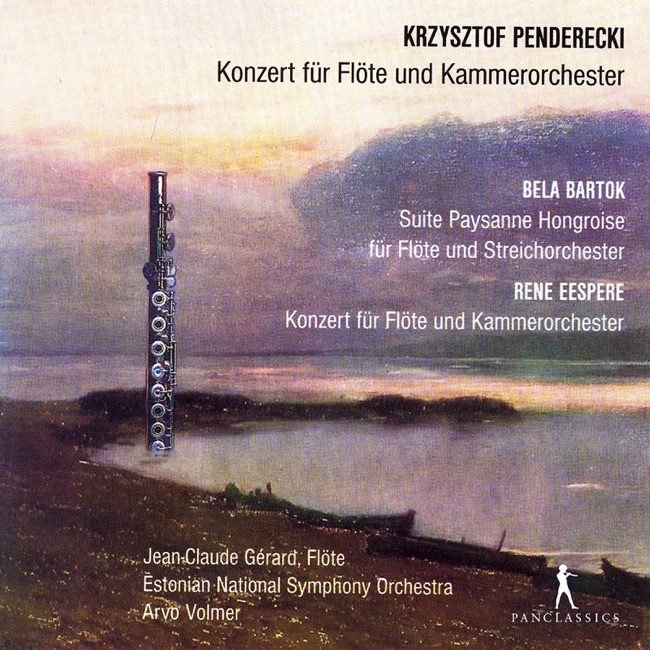
Composer:Béla BartókGenre:ConcertoStyle:ConcertoCompose Date:1914 - 1918Average_duration:12:11Movement_count:14Movement ....Béla Bartók's 'Hungarian Peasant Songs (Suite paysanne hongroise), Sz. 97' is a collection of six movements that were composed between 1923 and 1924. The suite was premiered in Budapest on December 2, 1925, by the Budapest Philharmonic Orchestra, conducted by the composer himself. The first movement, 'Allegro vivace', is a lively and energetic dance that features a prominent use of syncopation and irregular rhythms. The second movement, 'Andante', is a slow and melancholic piece that showcases Bartók's use of modal harmonies and folk-inspired melodies. The third movement, 'Allegro', is a fast and playful dance that features a call-and-response structure and a virtuosic solo for the violin. The fourth movement, 'Allegro molto', is a frenzied and intense dance that features a driving rhythm and a complex interplay between the different sections of the orchestra. The fifth movement, 'Andante', is a slow and contemplative piece that features a haunting melody played by the oboe. The final movement, 'Allegro', is a lively and celebratory dance that brings the suite to a rousing conclusion. Overall, 'Hungarian Peasant Songs' is characterized by Bartók's use of folk-inspired melodies, modal harmonies, and irregular rhythms. The suite is a testament to Bartók's commitment to preserving and promoting the music of his native Hungary, and it remains a beloved work in the classical repertoire to this day.More....
Works Music
Released Music
1

Hungarian Peasant Songs (Hungarian Peasant Suite), Sz. 97
Chants populaires tristes - Scherzo - Vieilles danses
12:2



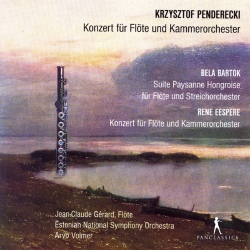
9
Hungarian Peasant Songs (Hungarian Peasant Suite), Sz. 97
Chant Populaires Tristes: III. Poco Rubato
47