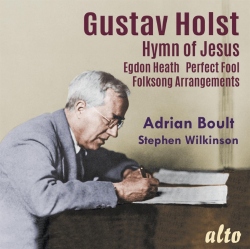
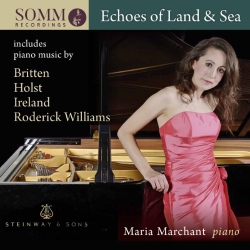
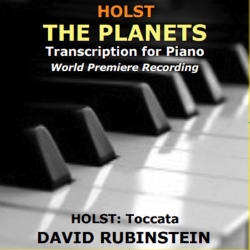
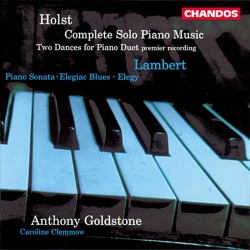
Gustav Holst
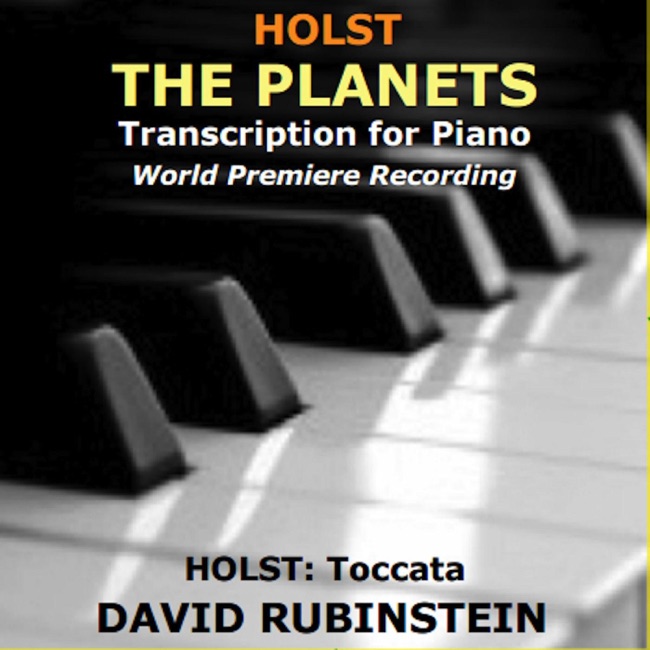
Toccata, H. 153
Released Album
Recent Album
Works Info
Composer:Gustav HolstGenre:KeyboardStyle:ToccataCompose Date:1924Average_duration:2:38Gustav Holst's Toccata, H. 153 is a solo piano piece that was composed in 1924. It was premiered on November 4, 1924, at the Aeolian Hall in London, England. The piece is divided into three movements, each with its own unique characteristics. The first movement of Toccata, H. 153 is marked "Presto," and it is characterized by its fast and lively tempo. The movement is in a binary form, with two contrasting sections that are repeated. The first section is in a minor key and features a driving rhythm and a melody that is played in octaves. The second section is in a major key and is more lyrical and flowing. The movement ends with a return to the first section, which is played with even more energy and intensity. The second movement of Toccata, H. 153 is marked "Moderato," and it is a complete contrast to the first movement. This movement is in a ternary form, with a central section that is slower and more introspective than the outer sections. The outer sections are characterized by a simple, repetitive melody that is played in the right hand, while the left hand provides a steady accompaniment. The central section is more complex, with a melody that is played in the left hand and a more intricate accompaniment in the right hand. The final movement of Toccata, H. 153 is marked "Allegro con brio," and it is the most technically demanding of the three movements. This movement is in a rondo form, with a recurring theme that is played in between contrasting sections. The theme is characterized by its driving rhythm and its use of syncopation. The contrasting sections are more lyrical and melodic, with a slower tempo and a more flowing rhythm. The movement ends with a return to the theme, which is played with even more energy and intensity than before. Overall, Toccata, H. 153 is a virtuosic piece that showcases Holst's skill as a composer and pianist. The piece is characterized by its fast and lively tempo, its use of contrasting sections, and its technical demands. It remains a popular piece in the piano repertoire and is often performed in recitals and competitions.More....