Heinrich Schütz
Io moro, ecco ch'io moro, SWV 13 (Op. 1/13)
Released Album
Recent Album
Works Info
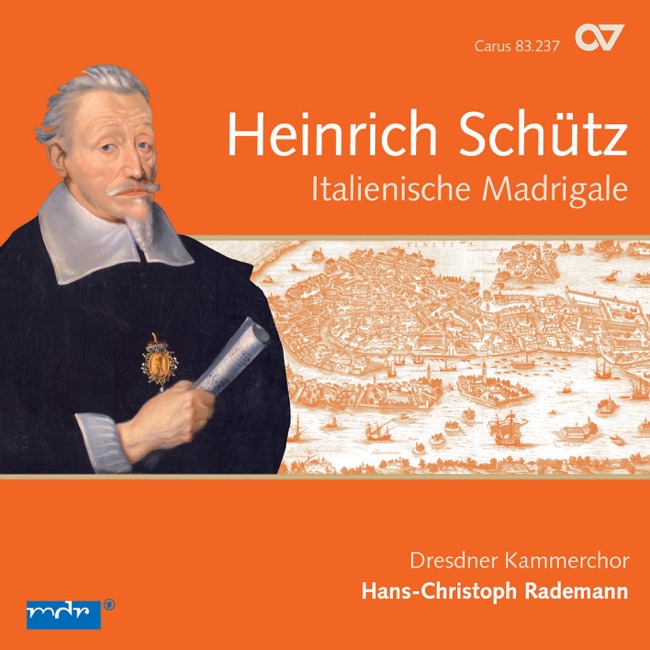
Composer:Heinrich SchützGenre:VocalStyle:MadrigalPublication Date:1611Average_duration:3:02"Io moro, ecco ch'io moro" (I die, behold I die) is a sacred concerto composed by Heinrich Schütz, a German composer of the Baroque era. The piece is part of his collection of sacred concertos, "Symphoniae Sacrae I," which was published in 1629. The premiere of "Io moro, ecco ch'io moro" is not known, but it is believed to have been performed in Dresden, where Schütz was the court composer for the Elector of Saxony. The piece is written for five voices (SSATB) and continuo, and is based on a text from the Book of Job in the Bible. The concerto is divided into three movements. The first movement is a somber and mournful aria sung by the bass voice, which represents Job. The second movement is a duet between the soprano and alto voices, which represents the angels. The third movement is a joyful chorus sung by all five voices, which represents the triumph of Job's faith. "Io moro, ecco ch'io moro" is characterized by Schütz's use of chromaticism and dissonance to convey the emotional intensity of the text. The piece begins with a descending chromatic line in the bass voice, which sets the mournful tone of the aria. The duet between the soprano and alto voices is characterized by dissonant intervals, which represent the tension between Job and the angels. The final chorus is characterized by a joyful melody and harmonies, which represent the triumph of Job's faith over his suffering. Overall, "Io moro, ecco ch'io moro" is a powerful and emotional piece that showcases Schütz's skill as a composer of sacred music. Its use of chromaticism and dissonance to convey the emotional intensity of the text is characteristic of Schütz's style, and has made it a popular piece in the Baroque choral repertoire.More....
Works Music
Released Music