


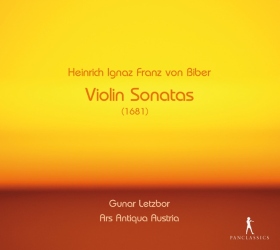
Heinrich Ignaz Franz von Biber
Sonata for violin & continuo No. 5 in E minor, C. 142
Released Album
Recent Album

Works Info
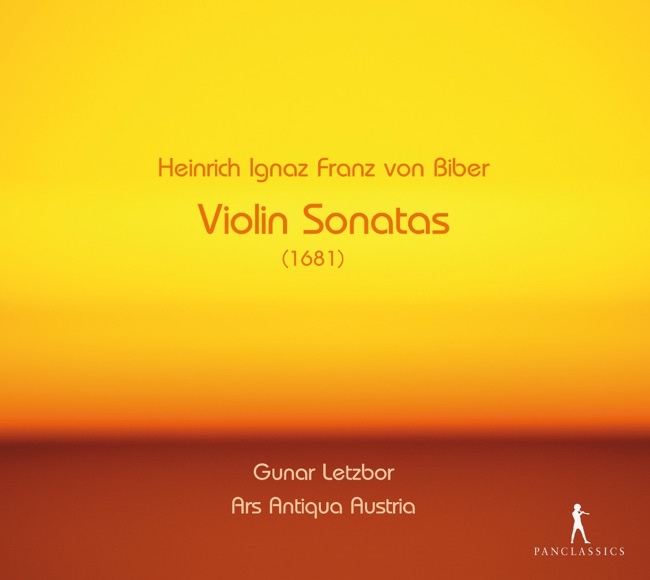
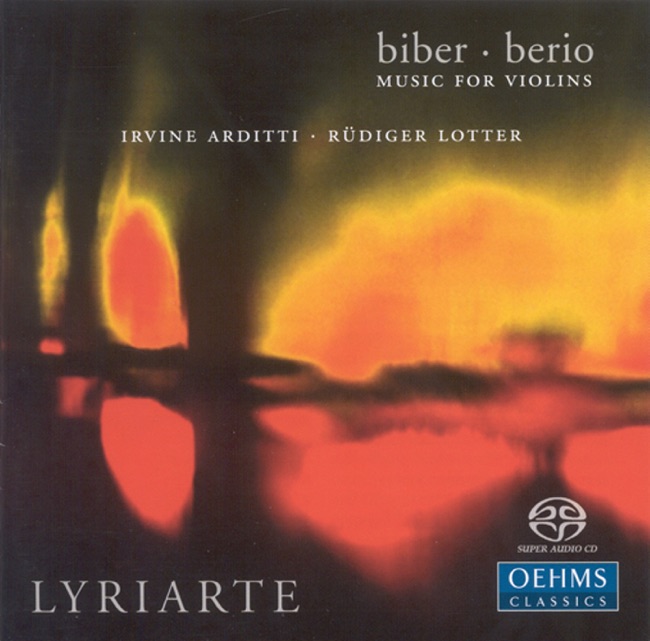
Composer:Heinrich Ignaz Franz von BiberGenre:ChamberStyle:SonataCompose Date:1681Publication Date:1681Average_duration:10:28Heinrich Ignaz Franz von Biber's Sonata for violin & continuo No. 5 in E minor, C. 142, also known as "The Mysterious Sonata," is a Baroque masterpiece that showcases the composer's virtuosity and innovative techniques. The sonata was composed in the late 17th century and premiered in Salzburg, Austria, around 1681. The sonata consists of four movements, each with its own unique character and technical challenges. The first movement, marked "Preludio," is a fast and lively piece that showcases the violinist's technical abilities. The second movement, "Allamanda," is a slower and more contemplative piece that features intricate ornamentation and expressive phrasing. The third movement, "Sarabanda," is a stately dance in triple meter that highlights the sonata's emotional depth and harmonic richness. The final movement, "Gigue," is a lively and energetic dance that brings the sonata to a thrilling conclusion. One of the most striking characteristics of Biber's Sonata No. 5 is its use of scordatura, a technique in which the violin is tuned differently than usual. In this sonata, the violin is tuned to E-B-E-G#, which allows the performer to play certain passages with greater ease and clarity. However, this tuning also creates a unique and haunting sound that adds to the sonata's mysterious and otherworldly quality. Another notable feature of the sonata is its use of unusual techniques, such as left-hand pizzicato and double-stops, which require the performer to play two notes simultaneously. These techniques add to the sonata's technical difficulty and showcase Biber's innovative approach to composition. Overall, Biber's Sonata for violin & continuo No. 5 in E minor, C. 142, is a masterpiece of Baroque music that continues to captivate audiences with its technical brilliance and emotional depth. Its use of scordatura and innovative techniques make it a unique and challenging work for performers, while its haunting melodies and rich harmonies make it a timeless masterpiece of the Baroque era.More....
Works Music
Released Music
1
3:28
2
11:28
3
Sonata for violin & continuo No. 5 in E minor, C. 142
[Ohne Bezeichnung]. Adagio. [Ohne Bezeichnung]. Adagio
2:27
4
5:14
5
2:17
7
11:12
10
9:41