


Alonso Lobo
Lamentationes Ieremiae Prophetae
Released Album
Recent Album

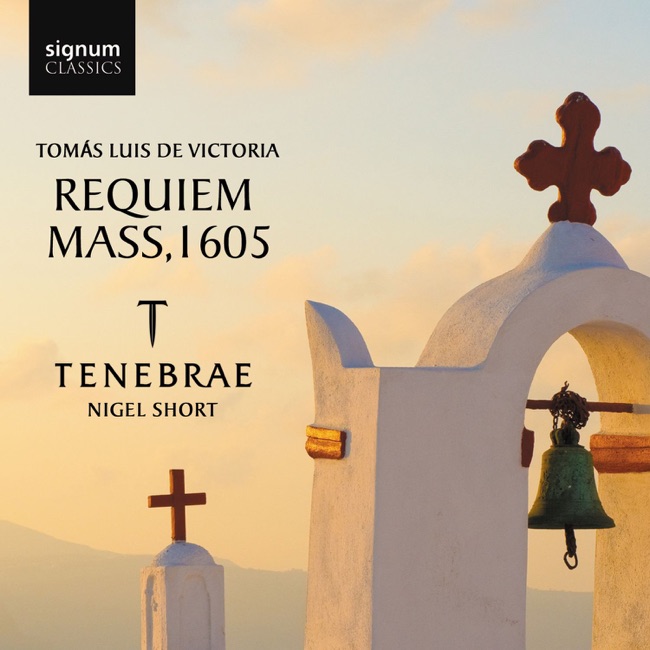

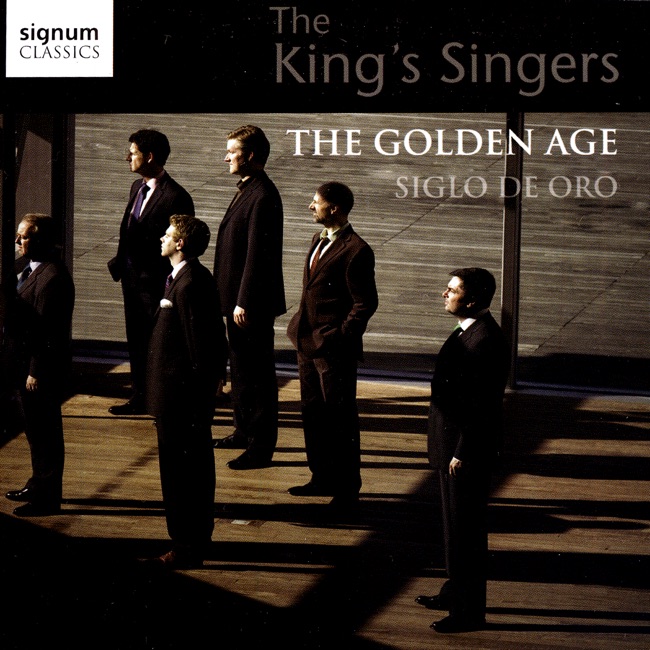
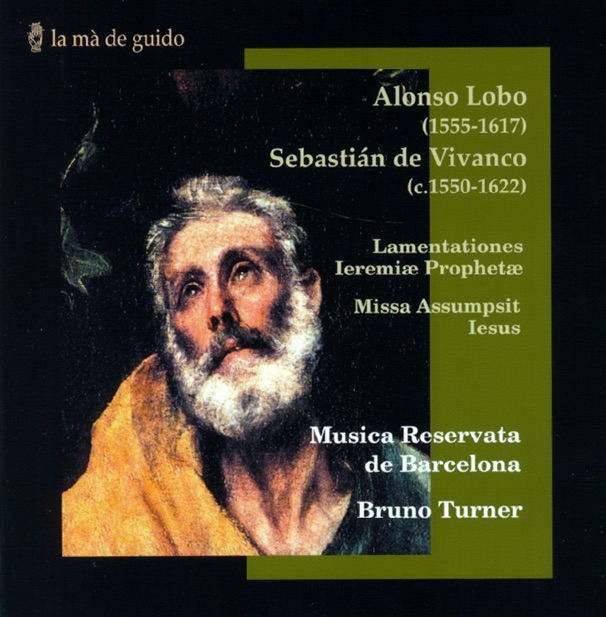
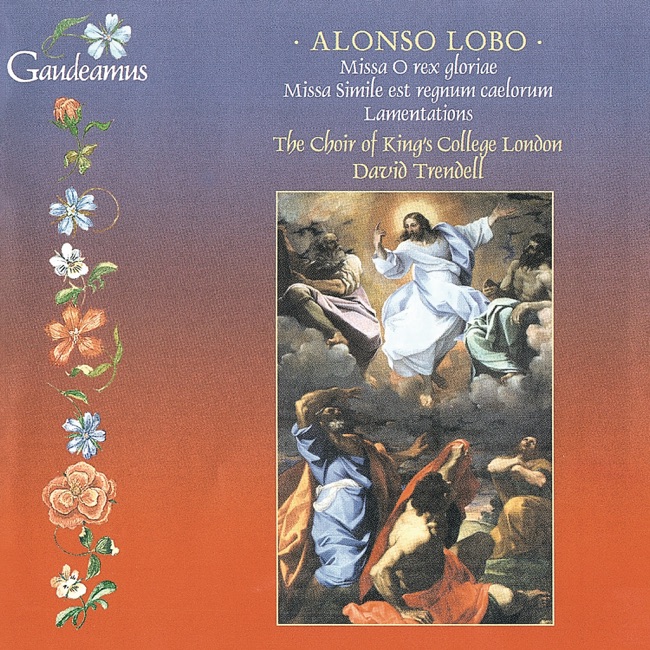
Works Info
Composer:Alonso LoboGenre:ChoralStyle:ChoralAverage_duration:19:22Alonso Lobo's 'Lamentationes Ieremiae Prophetae' is a masterpiece of Renaissance polyphony. It was composed in the late 16th century, around 1590, and premiered in the Royal Chapel of Madrid. The work consists of nine movements, each based on a text from the Book of Lamentations, attributed to the prophet Jeremiah. The first movement, "Aleph," sets the tone for the entire work with its mournful, descending melody. The second movement, "Beth," features a more complex texture, with imitative polyphony and expressive dissonances. The third movement, "Ghimel," is a solo motet for alto, accompanied by a simple four-part choir. The fourth movement, "Daleth," is a duet for two sopranos, with a hauntingly beautiful melody. The fifth movement, "He," is one of the most striking in the work, with its use of chromaticism and dissonance to convey the anguish of the text. The sixth movement, "Vau," is a solo motet for bass, with a more restrained and contemplative mood. The seventh movement, "Zain," is a duet for alto and tenor, with a lively and rhythmic character. The eighth movement, "Heth," returns to the mournful mood of the opening, with a simple and poignant setting of the text. The final movement, "Teth," is a grand and majestic setting of the text, with a full choir and organ accompaniment. Throughout the work, Lobo demonstrates his mastery of polyphonic technique, with intricate counterpoint, expressive dissonances, and a keen sense of text setting. The work is characterized by its use of chromaticism, which adds a sense of emotional intensity and depth to the music. Overall, 'Lamentationes Ieremiae Prophetae' is a powerful and moving work, which captures the essence of the Lenten season and the themes of repentance, sorrow, and hope. It remains one of the most important works of the Spanish Renaissance, and a testament to the genius of Alonso Lobo.More....
Works Music
Released Music


5
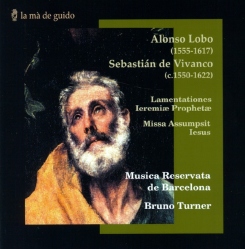
19:14
6
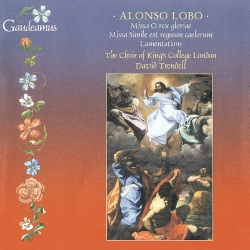
20:31