


Alonso Lobo
Released Album
Choral
-
 March 1, 2022
 -
 March 5, 2021
 -
 October 30, 2020
 -
 August 21, 2020
 -
 May 24, 2019
 -
 May 10, 2019
Artist Info
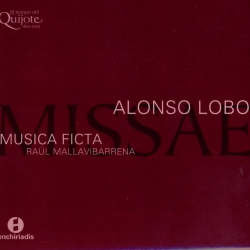
Role:ComposerCountry: SpainBirth:February 25, 1555 in Osuna, SpainDeath:April 5, 1617 in Seville, SpainPeriod:RenaissanceGenre:ChoralAlonso Lobo was a Spanish composer of the Renaissance era, born in Osuna, Seville, in 1555. He was the son of a musician, and it is likely that he received his early musical training from his father. Lobo's talent was recognized at a young age, and he was sent to study at the Cathedral of Seville, where he became a choirboy. Lobo's musical education continued at the University of Osuna, where he studied under the composer Francisco Guerrero. Guerrero was a prominent figure in Spanish music at the time, and his influence can be heard in Lobo's compositions. Lobo also studied under the composer Cristóbal de Morales, who was another important figure in Spanish music. In 1575, Lobo was appointed as a singer at the Cathedral of Toledo, where he remained for the rest of his life. He quickly rose through the ranks, becoming the maestro de capilla (choirmaster) in 1593. As maestro de capilla, Lobo was responsible for composing music for the cathedral's services, as well as training the choir. Lobo's compositions are characterized by their rich harmonies and expressive melodies. He was particularly skilled at setting text to music, and his works are known for their clarity and beauty of expression. Lobo's music is also notable for its use of chromaticism, which was a relatively new technique at the time. One of Lobo's most famous works is his Missa Maria Magdalene, which was composed in 1600. The mass is based on a plainchant melody, which Lobo uses as the basis for his composition. The mass is notable for its use of chromaticism, which creates a sense of tension and release throughout the work. The mass is also notable for its expressive melodies, which are particularly evident in the Agnus Dei. Another of Lobo's famous works is his Lamentations of Jeremiah, which was composed in 1599. The work is a setting of the biblical text, which describes the destruction of Jerusalem. The Lamentations are notable for their use of chromaticism, which creates a sense of sorrow and mourning throughout the work. The work is also notable for its expressive melodies, which are particularly evident in the final movement. Lobo's music was highly regarded during his lifetime, and he was considered one of the leading composers of his time. His music was widely performed throughout Spain, and his influence can be heard in the works of later composers such as Tomás Luis de Victoria and Juan Gutiérrez de Padilla. Lobo died in Toledo in 1617, at the age of 62. His legacy as a composer has endured, and his music continues to be performed and recorded to this day. Lobo's contributions to the development of Spanish music during the Renaissance era are significant, and his works remain an important part of the classical music canon.More....
Recent Artist Music


13
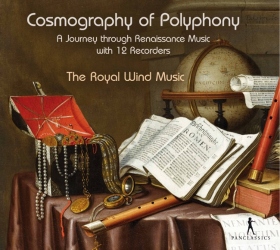
Versa is in Luctum
Versa est in luctum [a6] (Ad exequias Philip. Il Cathol Regis Hisp. Liber primus missarum (Madrid, 1602))
5:12

Recommend Playlist



Copyright Ⓒ 2013 Davinci Finger. All rights reseved
Service Terms & Policy