


Orlando Gibbons
O Lord, in thy wrath rebuke me not
Released Album
Recent Album
Featured Album
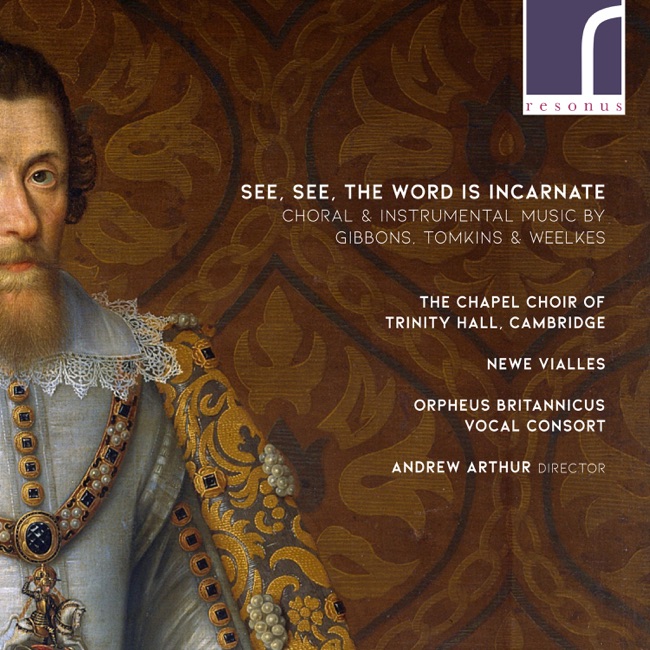
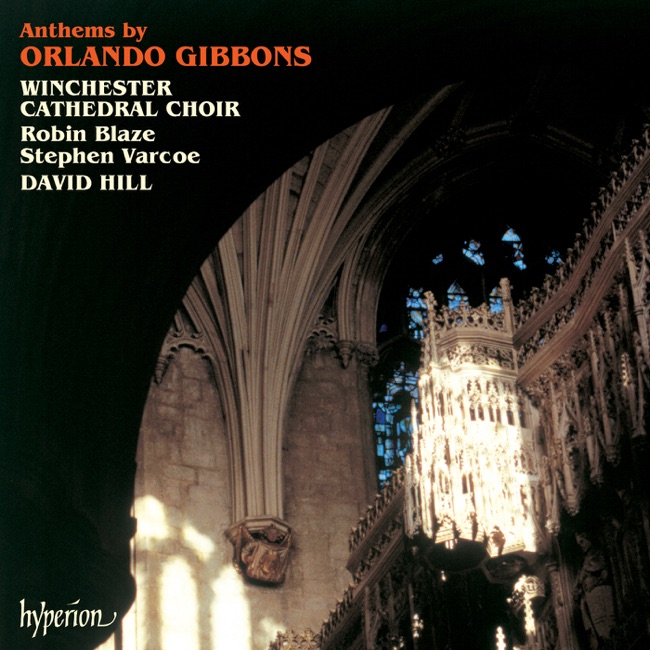
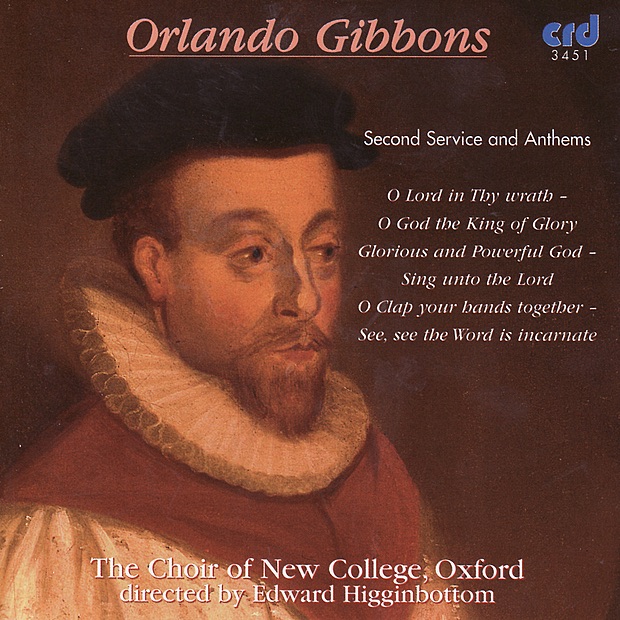
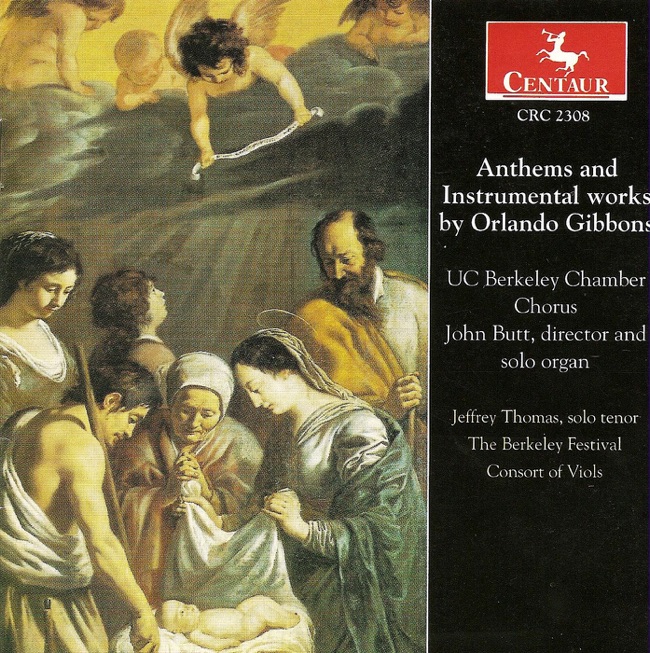
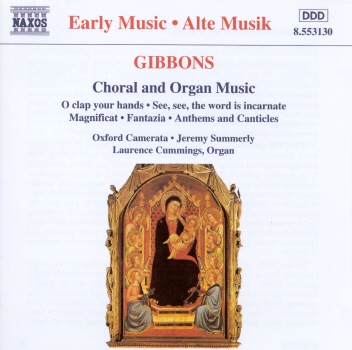
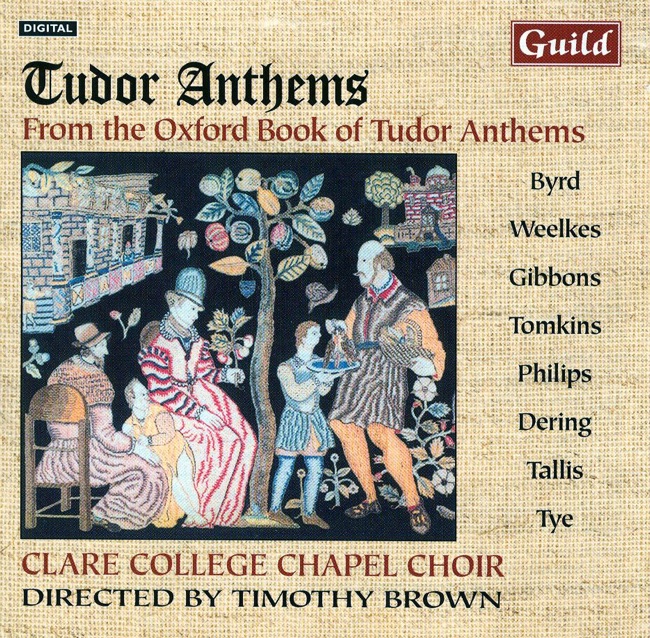
Works Info
Composer:Orlando GibbonsGenre:ChoralStyle:AnthemAverage_duration:3:48Orlando Gibbons was an English composer of the Renaissance period, known for his sacred and secular vocal music. One of his most famous works is the anthem "O Lord, in thy wrath rebuke me not," which was composed in the early 17th century. The anthem is written for four-part choir, with the text taken from Psalm 38. It is a penitential psalm, expressing the speaker's remorse for his sins and asking for God's mercy and forgiveness. The music reflects the somber tone of the text, with slow, mournful melodies and rich harmonies. The anthem is divided into three movements. The first movement begins with a solemn, chordal introduction, followed by a solo voice singing the first line of the text. The choir then enters, singing in unison before breaking into four-part harmony. The music builds in intensity as the text describes the speaker's suffering and guilt. The second movement is a solo for alto or tenor voice, accompanied by a simple organ or viola da gamba. The melody is plaintive and expressive, with long, flowing phrases that convey the speaker's sorrow and contrition. The final movement returns to the four-part choir, with a more upbeat and hopeful tone. The music is still somber, but there is a sense of resolution and acceptance in the text. The choir sings in harmony, with occasional moments of dissonance that reflect the tension between the speaker's sin and God's mercy. Overall, "O Lord, in thy wrath rebuke me not" is a powerful and moving work that showcases Gibbons' skill as a composer of sacred music. Its rich harmonies and expressive melodies make it a favorite among choirs and audiences alike, and it remains a beloved piece of the English choral tradition.More....
Works Music
Released Music
6
3:14
8
3:33
9
3:33
Featured Music

6
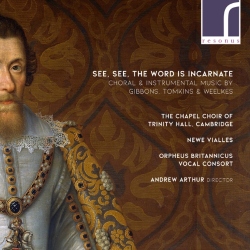
4:0