Thomas Tomkins
Phyllis, Now Cease to Move Me
Released Album
Recent Album
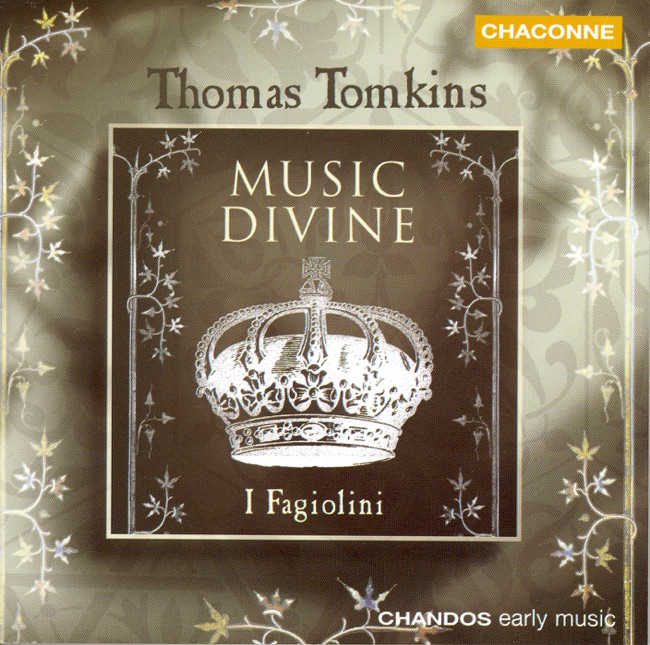
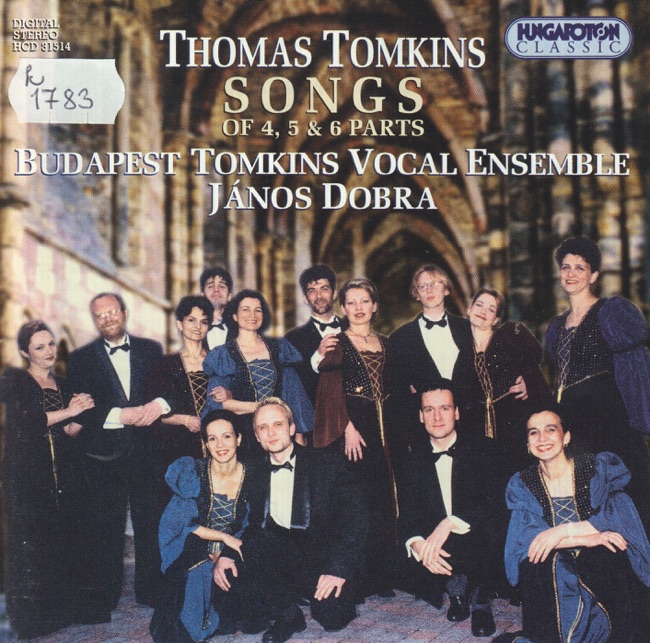
Featured Album
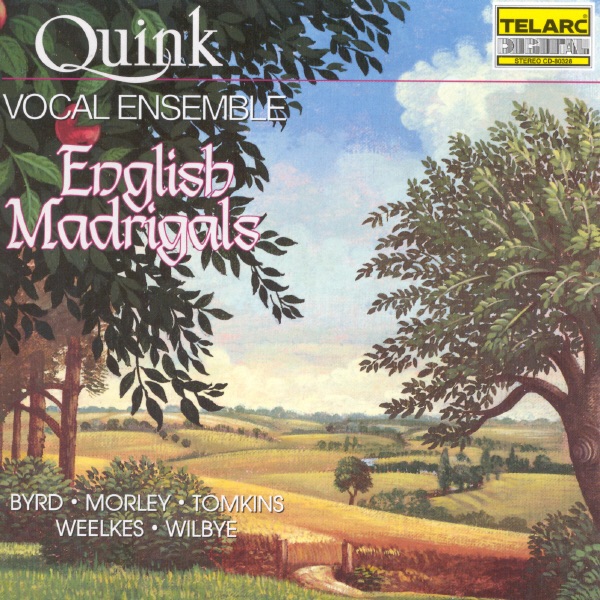
Works Info
Composer:Thomas TomkinsGenre:ChoralStyle:ChoralAverage_duration:2:28Thomas Tomkins was a renowned English composer of the early Baroque era, known for his choral and keyboard works. One of his most famous compositions is "Phyllis, Now Cease to Move Me," a madrigal for five voices. The piece was composed in the early 17th century, likely around 1610-1615. It was first published in 1622 in Tomkins' collection of madrigals, "Songs of 3, 4, 5, and 6 Parts." "Phyllis, Now Cease to Move Me" is a five-movement madrigal, with each movement featuring a different combination of voices. The first movement is for two sopranos, the second for two tenors, the third for two basses, the fourth for all five voices, and the fifth for two sopranos and a bass. The piece is characterized by its lively and playful melody, with each movement featuring intricate vocal lines that weave in and out of each other. The text, written by the poet Sir Philip Sidney, tells the story of a man who is trying to resist the charms of a woman named Phyllis, but ultimately succumbs to her beauty. Tomkins' use of harmony and counterpoint in "Phyllis, Now Cease to Move Me" is particularly noteworthy. He employs a variety of techniques, such as imitative polyphony and chromaticism, to create a rich and complex sound. The piece also features frequent changes in tempo and dynamics, adding to its overall sense of energy and movement. Overall, "Phyllis, Now Cease to Move Me" is a prime example of Tomkins' skill as a composer of madrigals. Its intricate vocal lines, lively melody, and complex harmonies make it a beloved piece of early Baroque music.More....
Works Music
Released Music
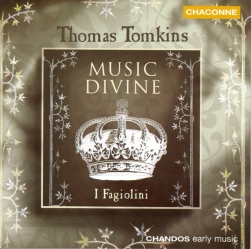
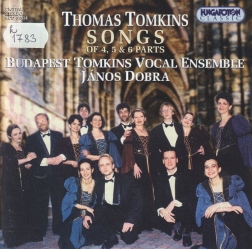
Featured Music