Franz Tunder
Canzona for organ in G major
Released Album
Recent Album

Featured Album
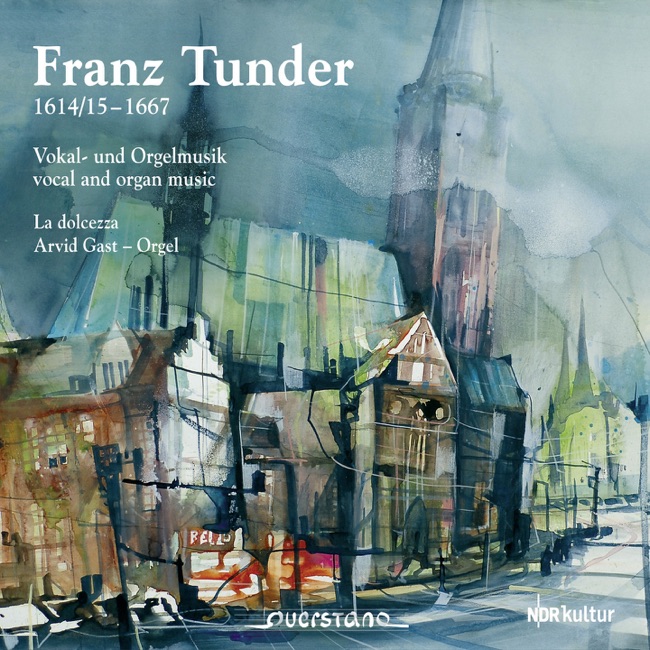
Works Info
Composer:Franz TunderGenre:KeyboardStyle:CanzonaAverage_duration:1:53Franz Tunder was a German-Danish composer and organist who lived from 1614 to 1667. He was born in Lübeck, Germany, and later moved to Denmark, where he became the organist at the Church of Our Lady in Copenhagen. Tunder is known for his contributions to the development of the North German organ school, which was a style of organ music that emerged in the 17th century. One of Tunder's most famous works is the Canzona for organ in G major. This piece was composed in the mid-17th century and is believed to have been written for the organ at the Church of Our Lady in Copenhagen. The Canzona is a relatively short piece, consisting of just one movement, and is typically performed in under two minutes. The Canzona for organ in G major is characterized by its lively and joyful melody, which is played on the organ's upper registers. The piece begins with a fanfare-like introduction, which is followed by the main theme. The theme is then developed and elaborated upon, with the organist using various techniques to create a sense of excitement and energy. One of the most notable features of the Canzona is its use of counterpoint. Tunder was known for his skill in writing counterpoint, which is a technique in which two or more melodies are played simultaneously. In the Canzona, Tunder uses counterpoint to create a sense of complexity and depth, with the different melodies weaving in and out of each other. The Canzona for organ in G major premiered in the mid-17th century, and it quickly became a popular piece among organists and music lovers. Today, it is still performed regularly in concerts and recitals, and it is considered to be one of Tunder's most important works.More....
Works Music
Released Music
2
1:51
10
1:41
Featured Music