


Georg Philipp Telemann
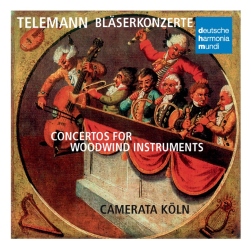
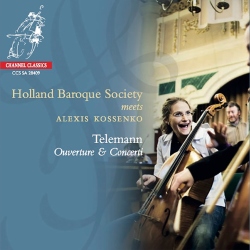
Concerto for 2 flutes, oboe, violin in B flat major, TWV 54:B1
Released Album
Recent Album
Featured Album
Works Info
Composer:Georg Philipp TelemannGenre:ChamberStyle:ConcertoCompose Date:1716 - 1725Average_duration:12:03Movement_count:4Movement ....Georg Philipp Telemann's Concerto for 2 flutes, oboe, violin in B flat major, TWV 54:B1, was composed in the early 18th century. The exact date of composition is unknown, but it is believed to have been written between 1715 and 1720. The concerto was premiered in Leipzig, Germany, where Telemann was the director of music for the city's five main churches. The concerto consists of four movements: Allegro, Largo, Allegro, and Presto. The first movement, Allegro, is characterized by its lively and energetic tempo, with the three solo instruments taking turns playing the main theme. The second movement, Largo, is a slow and expressive adagio, with the oboe taking the lead in a mournful melody. The third movement, Allegro, returns to the lively tempo of the first movement, with the solo instruments engaging in a playful and virtuosic dialogue. The final movement, Presto, is a fast and frenetic finale, with the soloists engaging in a dazzling display of technical skill. The concerto is notable for its use of multiple solo instruments, which was a relatively new concept at the time of its composition. Telemann's use of two flutes, an oboe, and a violin creates a unique and varied sound, with each instrument contributing its own distinct timbre and character to the overall composition. The concerto also showcases Telemann's skill as a composer, with its intricate counterpoint, complex harmonies, and inventive use of form and structure. Overall, Telemann's Concerto for 2 flutes, oboe, violin in B flat major, TWV 54:B1, is a masterful example of Baroque instrumental music, showcasing the composer's skill and creativity in crafting a complex and engaging work for multiple solo instruments.More....
Works Music
Released Music
1
2:55
2
2:14
4
2:48
Featured Music
1
1:52
2
2:56
3
3:22
4
3:7