Carlo Gesualdo
Tirsi morir volea, W. 1/50
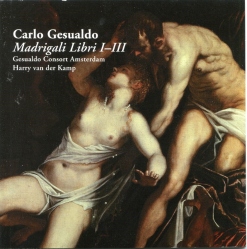
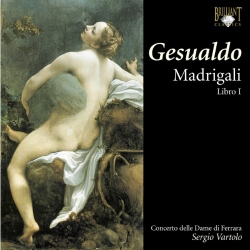
Released Album
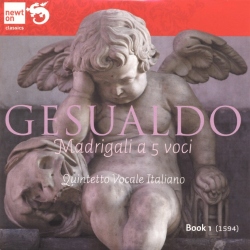
Recent Album
Works Info
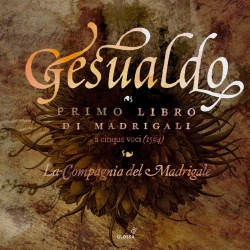
Composer:Carlo GesualdoGenre:VocalStyle:Vocal MusicCompose Date:1594Average_duration:4:43"Tirsi morir volea" is a madrigal composed by Carlo Gesualdo, an Italian composer and nobleman of the late Renaissance period. The piece was composed in the late 16th century, around 1590, and is part of Gesualdo's first book of madrigals, published in 1594. The piece is written for five voices, and is considered one of Gesualdo's most famous and influential works. The premiere of "Tirsi morir volea" is not known, but it is likely that it was performed in Gesualdo's court in Naples, where he was known for his musical patronage and performances. The piece is divided into three movements, each with its own distinct character and mood. The first movement is marked "Lento," and is a mournful and melancholic lament for the death of Tirsi, a shepherd. The music is characterized by dissonant harmonies and chromaticism, which create a sense of tension and unease. The vocal lines are highly expressive, with frequent use of melisma and ornamentation to convey the emotional intensity of the text. The second movement is marked "Allegro," and is a lively and playful dance. The music is characterized by a lively rhythm and a sense of joy and celebration. The vocal lines are highly virtuosic, with frequent use of syncopation and rapid runs to convey the energy and excitement of the dance. The third movement is marked "Adagio," and is a final lament for Tirsi. The music is characterized by a sense of resignation and acceptance, with the vocal lines gradually descending in pitch and intensity. The harmonies are more consonant than in the first movement, creating a sense of resolution and closure. Overall, "Tirsi morir volea" is a highly expressive and emotionally charged work, characterized by Gesualdo's innovative use of chromaticism and dissonance. The piece is a testament to Gesualdo's unique musical style, which combined the traditional techniques of Renaissance polyphony with a highly personal and expressive approach to harmony and melody.More....
Works Music
Released Music
2
4:43