


Ruggero Leoncavallo
La bohème
Released Album
Recent Album
-
-
-
-
-
-
-
-
-

-
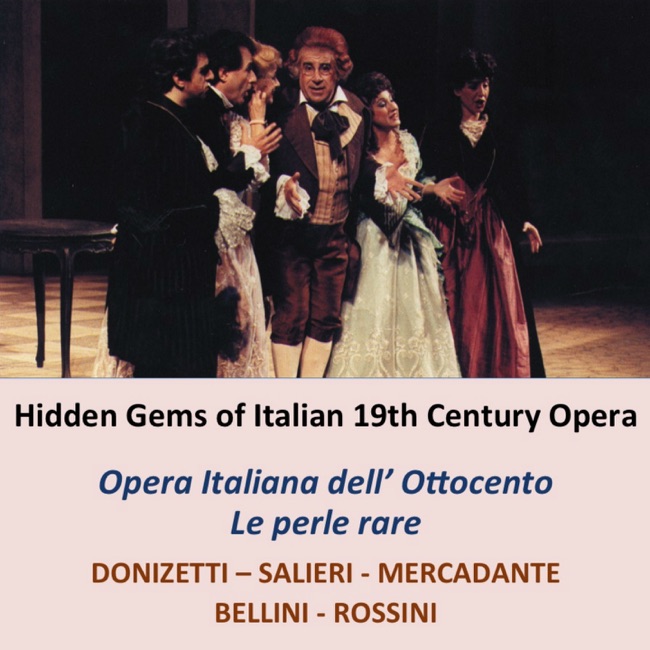 Various ArtistsSeptember 16, 2014
 -
-
Featured Album
Works Info
Composer:Ruggero LeoncavalloGenre:OperaStyle:OperaCompose Date:1897Average_duration:122:38La bohème is an opera composed by Ruggero Leoncavallo, which premiered on May 6, 1897, at the Teatro La Fenice in Venice, Italy. The opera is based on the novel "Scènes de la vie de bohème" by Henri Murger, which tells the story of a group of struggling artists living in Paris in the 1840s. The plot of La bohème revolves around the love story between the poet Rodolfo and the seamstress Mimì. The two meet on Christmas Eve in their shared apartment building, where Rodolfo lives with his artist friends Marcello, Colline, and Schaunard. Mimì comes to Rodolfo's apartment seeking a light for her candle, and the two quickly fall in love. As their relationship blossoms, Rodolfo and Mimì face many challenges, including poverty, illness, and jealousy. Marcello, who is still in love with his former flame Musetta, also struggles with his feelings for her. Despite these obstacles, Rodolfo and Mimì remain devoted to each other until the very end. La bohème is divided into four acts, each of which is marked by a different movement. The first act, "The Garret," introduces the audience to the bohemian lifestyle of the artists and sets the stage for the love story between Rodolfo and Mimì. The second act, "The Café Momus," takes place in a bustling Parisian café and features the famous aria "Quando m'en vo'." The third act, "The Toll Gate," is a poignant scene in which Rodolfo and Mimì confront the reality of Mimì's illness. The final act, "The Garret Again," brings the story full circle as Rodolfo and his friends mourn the loss of Mimì. One of the defining characteristics of La bohème is its use of verismo, a style of opera that emphasizes realism and naturalism. Leoncavallo's music is characterized by lush melodies and soaring arias, which are balanced by moments of quiet introspection and dialogue. The opera also features a large ensemble cast, including several memorable supporting characters such as Musetta and the philosopher Colline. La bohème has become one of the most beloved operas of all time, and its popularity shows no signs of waning. Its timeless story of love and loss continues to resonate with audiences around the world, making it a true masterpiece of the operatic canon.More....
Works Music

Main Perform Artists
Tenor Vocal
Tenor Vocal
Tenor (Vocal)
Tenor Vocal
Tenor (Vocal)
Soprano (Vocal)