Federico García Lorca
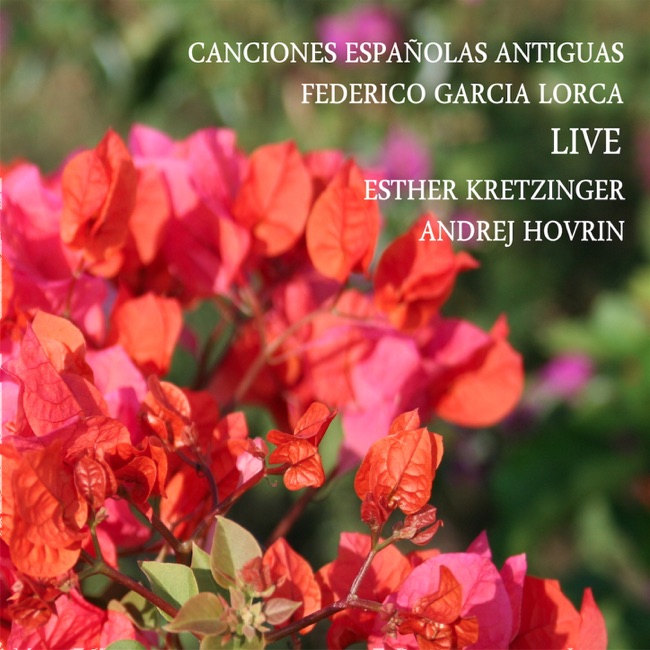
Canciones españolas antiguas "Los Reyes de la Baraja"
Released Album
Recent Album
Works Info
Composer:Federico García LorcaGenre:VocalStyle:SongAverage_duration:1:17'Canciones españolas antiguas Los Reyes de la Baraja' is a song cycle composed by Federico García Lorca in 1933. The premiere of the work took place on March 31, 1933, at the Teatro Español in Madrid, with the composer himself at the piano and the singer Encarnación López Júlvez, known as La Argentinita, performing the vocal part. The cycle consists of seven songs, each one based on a traditional Spanish folk song. The songs are arranged in a specific order, following the sequence of the four suits of the Spanish deck of cards: cups, swords, coins, and clubs. The title of the cycle, 'Los Reyes de la Baraja' (The Kings of the Deck), refers to the four kings of the deck, who are also the main characters of the songs. The first song, 'La Tarara', is based on a popular song from Andalusia. It is a lively and rhythmic song, with a playful melody and a humorous text. The second song, 'Los Cuatro Muleros', is a traditional song from Castile, with a slow and melancholic melody and a text about the hard life of the mule drivers. The third song, 'Las Morillas de Jaén', is a popular song from Andalusia, with a lively and festive melody and a text about the beauty of the women from Jaén. The fourth song, 'Los Reyes de la Baraja', is the central piece of the cycle, based on a traditional song from Castile. It is a dramatic and intense song, with a powerful melody and a text about the four kings of the deck and their symbolic meanings. The fifth song, 'La Niña de Puerta Oscura', is a popular song from Andalusia, with a slow and melancholic melody and a text about a young girl who waits for her lover at the door of her house. The sixth song, 'La Petenera', is a traditional song from Andalusia, with a passionate and sensual melody and a text about a gypsy woman who seduces a man. The seventh and final song, 'Zorongo', is a popular song from Andalusia, with a lively and rhythmic melody and a text about a young girl who dances the zorongo, a traditional dance from the region. The characteristics of 'Canciones españolas antiguas Los Reyes de la Baraja' are deeply rooted in the Spanish folk tradition, with Lorca's personal touch of poetry and musicality. The cycle is a tribute to the richness and diversity of Spanish culture, and a reflection of Lorca's passion for the popular arts. The songs are arranged in a way that creates a narrative arc, with a variety of moods and emotions, from joy and celebration to sadness and longing. The cycle is a masterpiece of Spanish music, and a testament to Lorca's genius as a composer and poet.More....