


Jan Pieterszoon Sweelinck
Cantate Domino canticum novem (Cantiones Sacrae No. 8)
Released Album
Recent Album
Works Info
Composer:Jan Pieterszoon SweelinckGenre:ChoralStyle:CantataPublication Date:1619Average_duration:3:24Jan Pieterszoon Sweelinck was a Dutch composer and organist of the late Renaissance period. He was born in 1562 in Deventer, Netherlands, and died in 1621 in Amsterdam. Sweelinck was one of the most important composers of his time, and his music had a significant influence on the development of Baroque music. One of Sweelinck's most famous works is the 'Cantate Domino canticum novem' (Cantiones Sacrae No. 8), which was composed in 1619. The work is a collection of nine sacred motets, each based on a different biblical text. The motets are written for four to eight voices, and they showcase Sweelinck's mastery of polyphonic writing. The 'Cantate Domino canticum novem' was premiered in Amsterdam in 1619, and it quickly became popular throughout Europe. The work is divided into nine movements, each with its own unique characteristics. The first movement, 'Cantate Domino canticum novem', is a joyful and celebratory piece that sets the tone for the entire work. The second movement, 'Laudate pueri Dominum', is a lively and energetic piece that features intricate vocal lines and a driving rhythm. The third movement, 'Laudate Dominum omnes gentes', is a more contemplative piece that features a beautiful soprano solo. The fourth movement, 'Magnificat anima mea Dominum', is a powerful and dramatic piece that showcases Sweelinck's skill at creating dynamic contrasts. The fifth movement, 'Quemadmodum desiderat cervus', is a hauntingly beautiful piece that features a soaring soprano line. The sixth movement, 'Beati omnes qui timent Dominum', is a joyful and uplifting piece that features a lively rhythm and intricate vocal lines. The seventh movement, 'Jubilate Deo omnis terra', is a triumphant piece that features a majestic opening fanfare and a driving rhythm. The eighth movement, 'Cantate Domino canticum novem', is a reprise of the first movement, but with a more subdued and contemplative character. The final movement, 'Gloria Patri et Filio', is a majestic and triumphant piece that brings the entire work to a powerful conclusion. The 'Cantate Domino canticum novem' is a masterpiece of Renaissance polyphony, and it remains one of Sweelinck's most popular and enduring works.More....
Works Music
Released Music
1
3:34
2
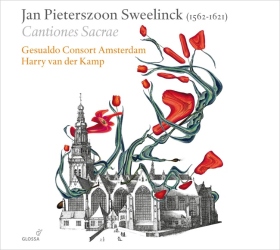
Cantata Domino canticum novem (Cantiones Sacrae No. 8)
Cantate Domino canticum novum, for 5 voices, SWWV 158
3:6
4
3:27
5
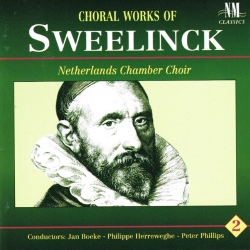
3:27
6
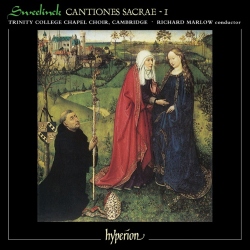
3:6
7
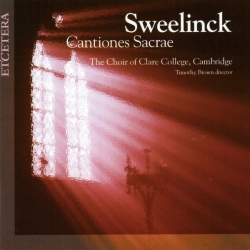
3:37
Main Perform Artists
Cello, Viol
Organ, Virginal
Lute
Viol
Baroque Violin
Cornet, Shawm