Antony Holborne
Pavan "The Funerals"
Released Album
Recent Album
Featured Album
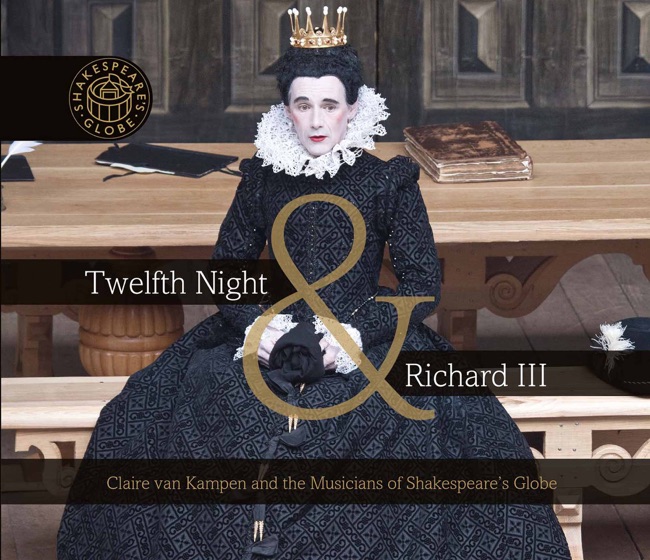
Works Info
Composer:Antony HolborneGenre:OrchestralStyle:PavaneCompose Date:1586Average_duration:4:14Antony Holborne was an English composer and lutenist who lived during the Renaissance period. He is known for his instrumental music, particularly for his works for the lute. One of his most famous compositions is the "Pavan The Funerals," which was composed in the late 16th century. The "Pavan The Funerals" is a piece of music that was written for the lute. It is a slow and mournful piece that was likely intended to be played at funerals or other solemn occasions. The piece is in the key of G minor and is written in a duple meter. The "Pavan The Funerals" is divided into four movements, each with its own distinct character. The first movement is slow and mournful, with a simple melody that is repeated throughout. The second movement is more lively and features a more complex melody. The third movement is slower and more introspective, with a melody that is played in a lower register. The final movement is a return to the mournful tone of the first movement, with a simple melody that is played in a higher register. One of the characteristics of the "Pavan The Funerals" is its use of counterpoint. Holborne was known for his skill in writing counterpoint, and this piece is no exception. The different movements of the piece feature different contrapuntal techniques, including imitation and inversion. Another characteristic of the "Pavan The Funerals" is its use of ornamentation. The piece is written for the lute, which is an instrument that is well-suited to ornamentation. Holborne uses a variety of ornamentation techniques throughout the piece, including trills, mordents, and turns. The "Pavan The Funerals" was likely composed in the late 16th century, although the exact date is not known. It was likely premiered at a funeral or other solemn occasion, and it has since become one of Holborne's most famous compositions. Its mournful tone and intricate counterpoint make it a beautiful and moving piece of music that is still performed and enjoyed today.More....