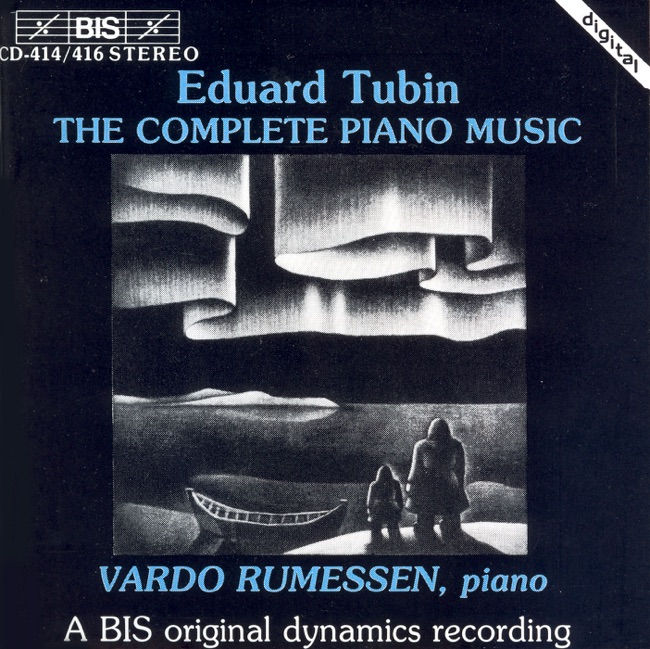
Eduard Tubin
Prelude for piano No. 1
Works Info
Composer:Eduard TubinGenre:KeyboardStyle:PreludeCompose Date:1949Average_duration:1:54Eduard Tubin's Prelude for Piano No. 1 is a solo piano piece that was composed in 1944. It was premiered by the composer himself in Tallinn, Estonia, in the same year. The piece is divided into three movements, each with its own distinct characteristics. The first movement, marked Allegro, is a lively and energetic piece that showcases Tubin's skillful use of rhythm and melody. The opening theme is introduced in the right hand and is accompanied by a driving bass line in the left hand. The middle section of the movement features a more lyrical melody that is played in the right hand while the left hand provides a gentle accompaniment. The movement ends with a return to the opening theme, which is played with even greater intensity than before. The second movement, marked Andante, is a slower and more introspective piece. The melody is played in the right hand and is accompanied by a simple chord progression in the left hand. The middle section of the movement features a more complex harmonic structure, with the left hand playing a series of arpeggios while the right hand plays a more intricate melody. The movement ends with a return to the opening theme, which is played with a sense of resignation and melancholy. The third movement, marked Allegro con fuoco, is a fiery and virtuosic piece that showcases Tubin's technical prowess as a pianist. The opening theme is played with great speed and intensity, and is accompanied by a driving bass line in the left hand. The middle section of the movement features a more lyrical melody that is played in the right hand while the left hand provides a gentle accompaniment. The movement ends with a return to the opening theme, which is played with even greater speed and intensity than before. Overall, Tubin's Prelude for Piano No. 1 is a challenging and rewarding piece for pianists. It showcases Tubin's skillful use of rhythm, melody, and harmony, and is a testament to his status as one of Estonia's greatest composers.More....
Works Music
Released Music