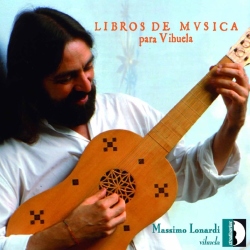
Luis de Milán
Pavan for vihuela No. 4
Released Album
Recent Album




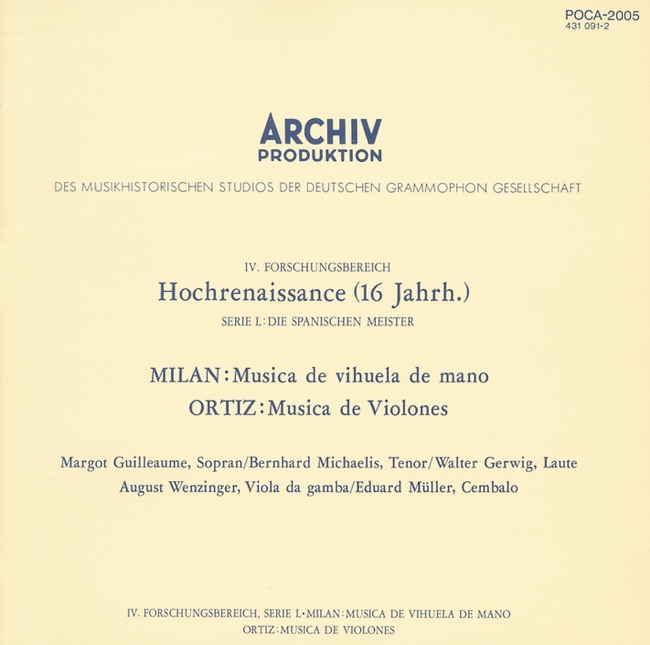
Works Info
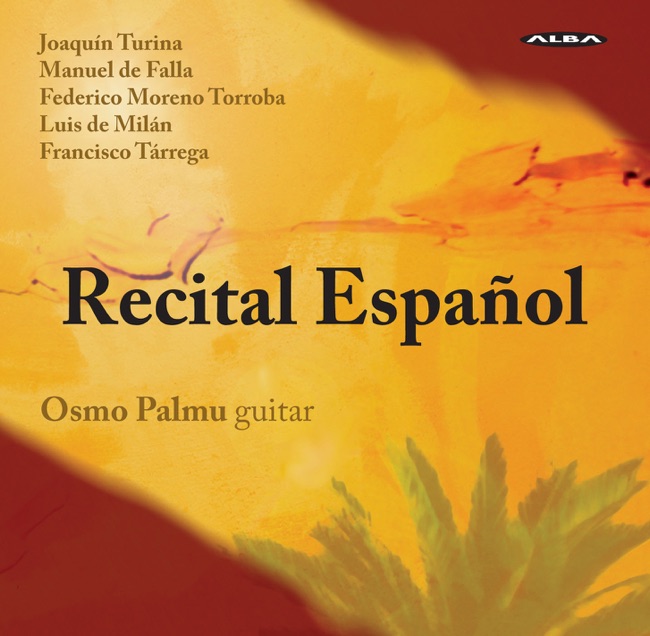
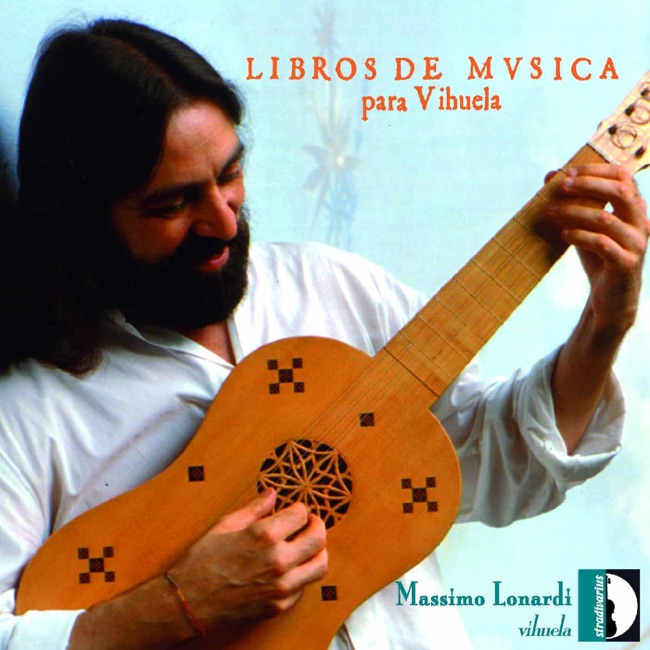
Composer:Luis de MilánGenre:ChamberStyle:DanceCompose Date:1536Average_duration:1:43Luis de Milán was a Spanish composer and vihuelist who lived during the Renaissance period. He is known for his contribution to the development of vihuela music, which was a popular form of instrumental music in Spain during the 16th century. One of his most famous works is the "Pavan for vihuela No. 4," which is a beautiful and intricate piece of music that showcases his skill as a composer and performer. The "Pavan for vihuela No. 4" was composed in the early 16th century, and it is believed to have been premiered in the court of King Ferdinand II of Aragon. The piece is part of a collection of works that Milán wrote for the vihuela, which was a type of guitar that was popular in Spain during the Renaissance period. The vihuela had six strings and was played with a plectrum, and it was often used to accompany singing or dancing. The "Pavan for vihuela No. 4" is a slow and stately dance that is typically played in a duple meter. It is divided into several sections, or movements, each of which has its own distinct character and mood. The first movement is marked by a gentle and flowing melody that is played in the upper register of the vihuela. The second movement is more lively and features a series of intricate arpeggios and runs that showcase the virtuosity of the performer. The third movement is slower and more contemplative, with a haunting melody that is played in the lower register of the vihuela. The final movement is a return to the main theme of the piece, with a triumphant and celebratory melody that brings the piece to a close. One of the most notable characteristics of the "Pavan for vihuela No. 4" is its use of counterpoint, which is a technique in which two or more melodies are played simultaneously. Milán was a master of counterpoint, and he used it to great effect in this piece, creating a rich and complex texture that is both beautiful and engaging. Another characteristic of the piece is its use of ornamentation, which is a technique in which small embellishments are added to the melody to make it more expressive and interesting. Milán was known for his skill in ornamentation, and he used it extensively in this piece, adding trills, mordents, and other decorative elements to the melody. Overall, the "Pavan for vihuela No. 4" is a masterpiece of Renaissance music, and it remains a popular and beloved piece among vihuela players and enthusiasts today. Its intricate melodies, complex counterpoint, and beautiful ornamentation make it a challenging and rewarding piece to play, and it is a testament to the skill and artistry of Luis de Milán as a composer and performer.More....
Works Music
Released Music