


Franz Joseph Haydn
String Quartet No. 48 in C major, Op. 64/1, H. 3/65
Released Album
Recent Album
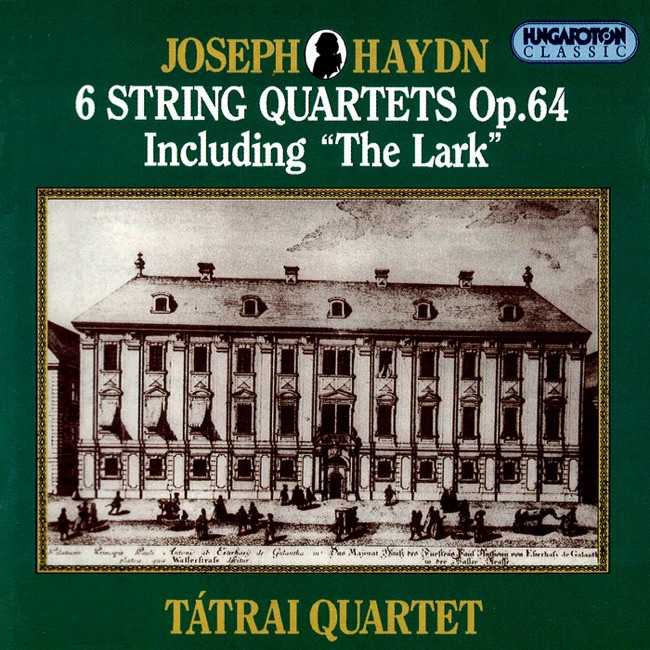
Featured Album
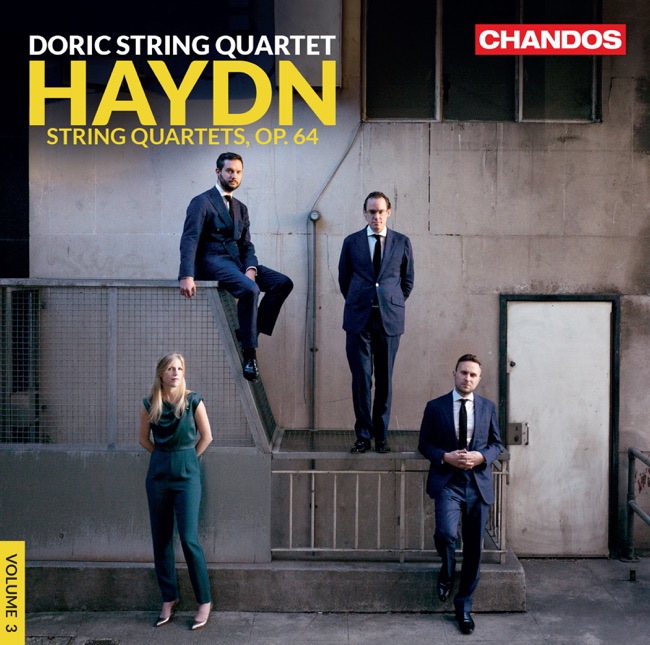
Works Info
Composer:Franz Joseph HaydnGenre:ChamberStyle:QuartetCompose Date:1790Average_duration:21:37Movement_count:4Movement ....Franz Joseph Haydn's String Quartet No. 48 in C major, Op. 64/1, H. 3/65, is a four-movement work composed in 1790. It was premiered in Vienna, Austria, in the same year. The quartet is part of a set of six quartets, known as the "Tost Quartets," which were dedicated to the Hungarian violinist Johann Tost. The first movement, marked Allegro moderato, begins with a lively and energetic theme played by the first violin. The second violin and cello then join in, followed by the viola. The movement features a number of contrasting themes, including a lyrical second theme and a more dramatic third theme. The development section explores these themes further, before the recapitulation brings back the opening material. The second movement, marked Menuetto, is a graceful dance in triple meter. The trio section features a more playful melody, with the first violin taking the lead. The movement ends with a brief return to the opening material. The third movement, marked Adagio, is a slow and expressive piece. The first violin plays a mournful melody, which is then taken up by the other instruments. The movement features a number of variations on this theme, with each instrument taking a turn at playing the melody. The final movement, marked Finale: Presto, is a lively and energetic piece. The first violin leads the way with a playful theme, which is then taken up by the other instruments. The movement features a number of contrasting sections, including a more lyrical second theme and a more dramatic third theme. The movement ends with a lively coda, bringing the quartet to a rousing conclusion. Overall, Haydn's String Quartet No. 48 in C major is a masterful work, showcasing the composer's skill at crafting engaging and memorable melodies. The quartet is notable for its lively and energetic character, as well as its use of contrasting themes and variations. It remains a popular work in the string quartet repertoire to this day.More....
Works Music
Released Music
6
7:13
Featured Music
2
String Quartet No. 48 in C major, Op. 64/1, H. 3/65
Menuet. Allegretto ma non troppo - Trio - Menuet da Capo
4:29
4
4:57